
Garlic is a cornerstone ingredient in countless cuisines worldwide, celebrated for its pungent aroma and versatile flavor. From Italian pasta sauces to fiery Asian stir-fries, a touch of garlic can elevate almost any dish. However, navigating recipes often brings up a common question: what exactly does “one clove of garlic” mean? With garlic cloves varying significantly in size, understanding this basic unit is essential for achieving the desired taste in your cooking. This comprehensive guide will demystify the garlic clove, offering practical insights into its anatomy, proper usage, and smart substitutions, ensuring you master this kitchen staple.
Understanding the Garlic Bulb and Its Cloves
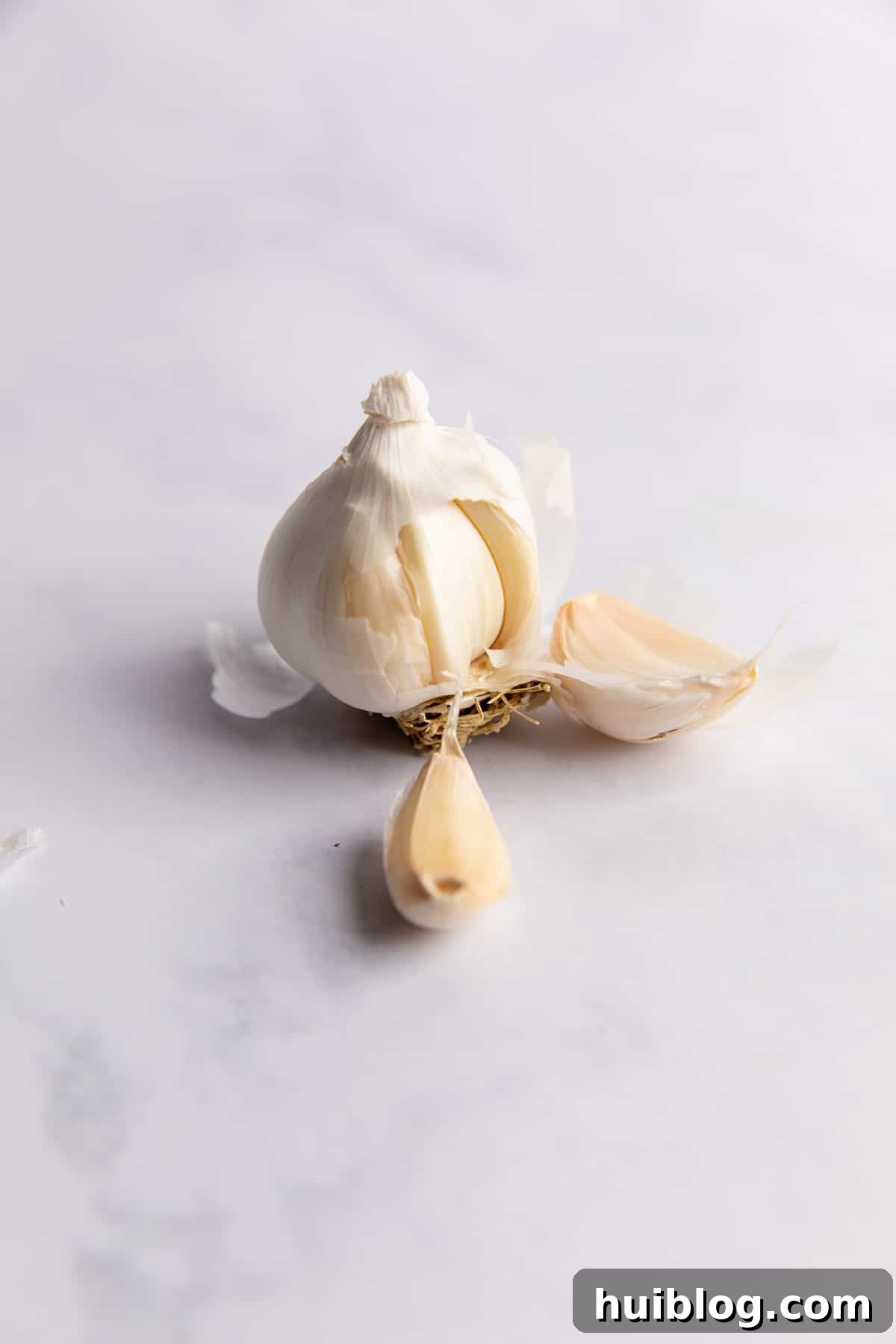
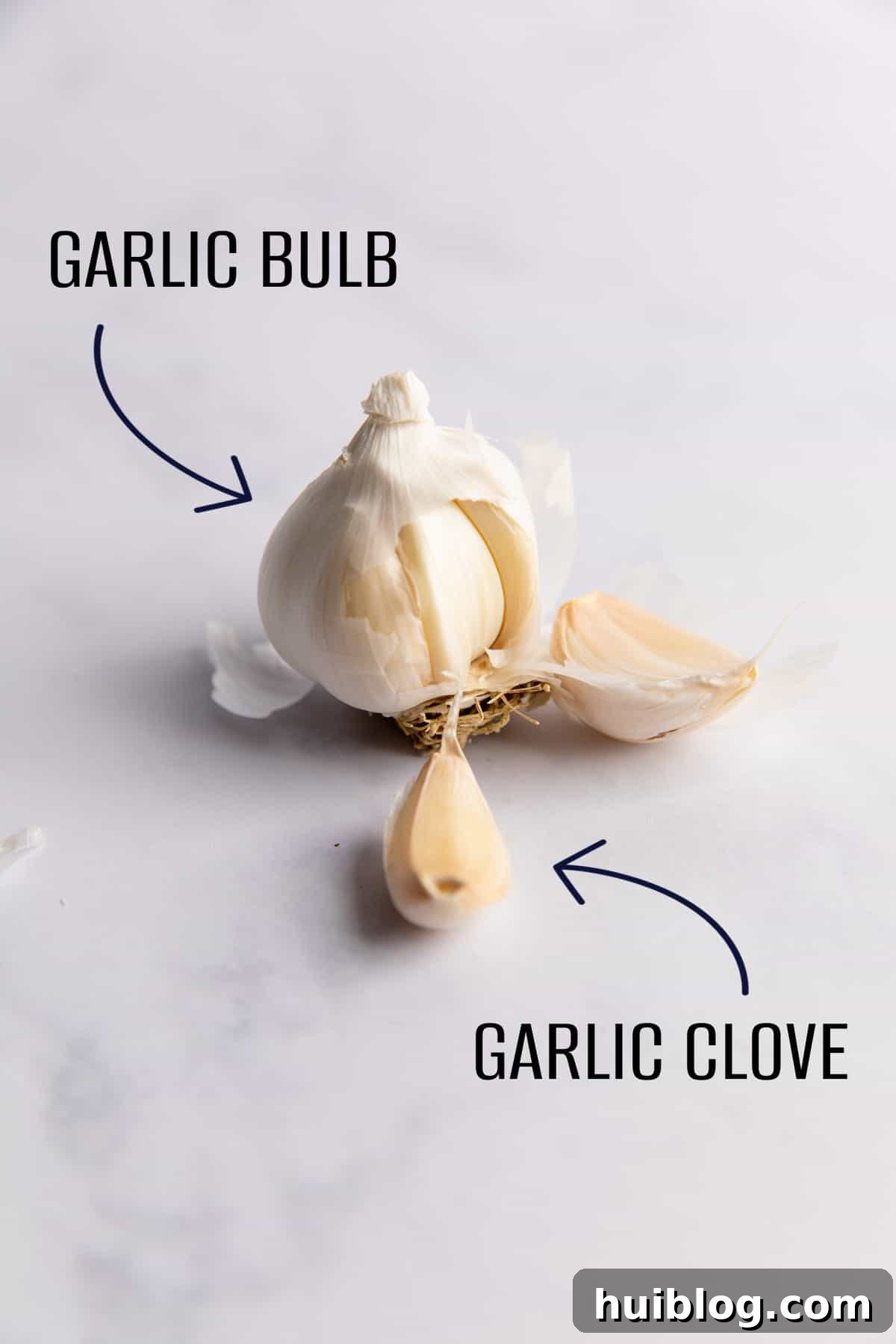
Before diving into conversions and cooking techniques, let’s clarify the fundamental components of garlic. Fresh garlic is typically sold as a “bulb,” which is the entire head encased in a protective, papery outer skin. Beneath this skin, the bulb is comprised of individual, wedge-shaped segments, each with its own delicate, papery covering. Each of these distinct segments is what we refer to as a “clove of garlic.”
What Defines a Clove?
A garlic clove is essentially a single, self-contained section of the larger garlic bulb. Each clove contains the concentrated flavor and aromatic compounds that make garlic so popular. Peeling back the thin skin of a clove reveals the firm, white or off-white flesh that is ready for preparation. The size, shape, and even color of these cloves can vary widely depending on the garlic variety and growing conditions, which often leads to confusion when recipes specify a quantity in “cloves.”
Varieties of Garlic and Clove Characteristics
While all garlic bulbs yield cloves, different varieties exhibit distinct characteristics. Hardneck garlics, for instance, typically produce fewer but larger cloves arranged in a single ring around a central stem. These varieties often have a more intense, robust flavor. Softneck garlics, on the other hand, tend to have many smaller cloves in multiple layers and are usually easier to braid. Elephant garlic, a leek rather than a true garlic, produces very large, mild-flavored cloves, often much bigger than standard garlic cloves. This diversity underscores why relying solely on a “clove count” can sometimes be imprecise, necessitating a deeper understanding of volume and flavor intensity.
How Many Cloves in One Head of Garlic?
The number of cloves found within a single garlic bulb is not universally fixed. On average, most standard garlic bulbs contain between 10 to 12 cloves. However, this is merely an approximation. You might encounter smaller bulbs with as few as 6-8 cloves or larger ones boasting up to 15-20. Furthermore, even within a single bulb, the cloves themselves will vary in size, with some being plump and robust while others are quite small and slender. This inherent variability is crucial to acknowledge when interpreting recipe instructions.
When a recipe calls for a specific number of cloves, it’s generally implying an average-sized clove. If your cloves are particularly large, you might opt to use fewer than the recipe suggests, especially if you prefer a milder garlic presence. Conversely, if your cloves are small, you might need to use a few extra to achieve the desired intensity. Ultimately, personal preference and a willingness to adjust based on the specific garlic you have on hand are key to successful cooking.
The Great Garlic Clove Conversion Guide
Given the inconsistency in clove sizes, many cooks prefer to measure garlic by volume once it’s minced or by using dried alternatives. This section provides reliable conversion ratios to help you accurately measure garlic for any recipe, regardless of the form you have.
Fresh Clove to Minced Garlic
The most common form of fresh garlic used in cooking is minced. When a recipe specifies “1 clove of garlic,” the general rule of thumb for conversion is:
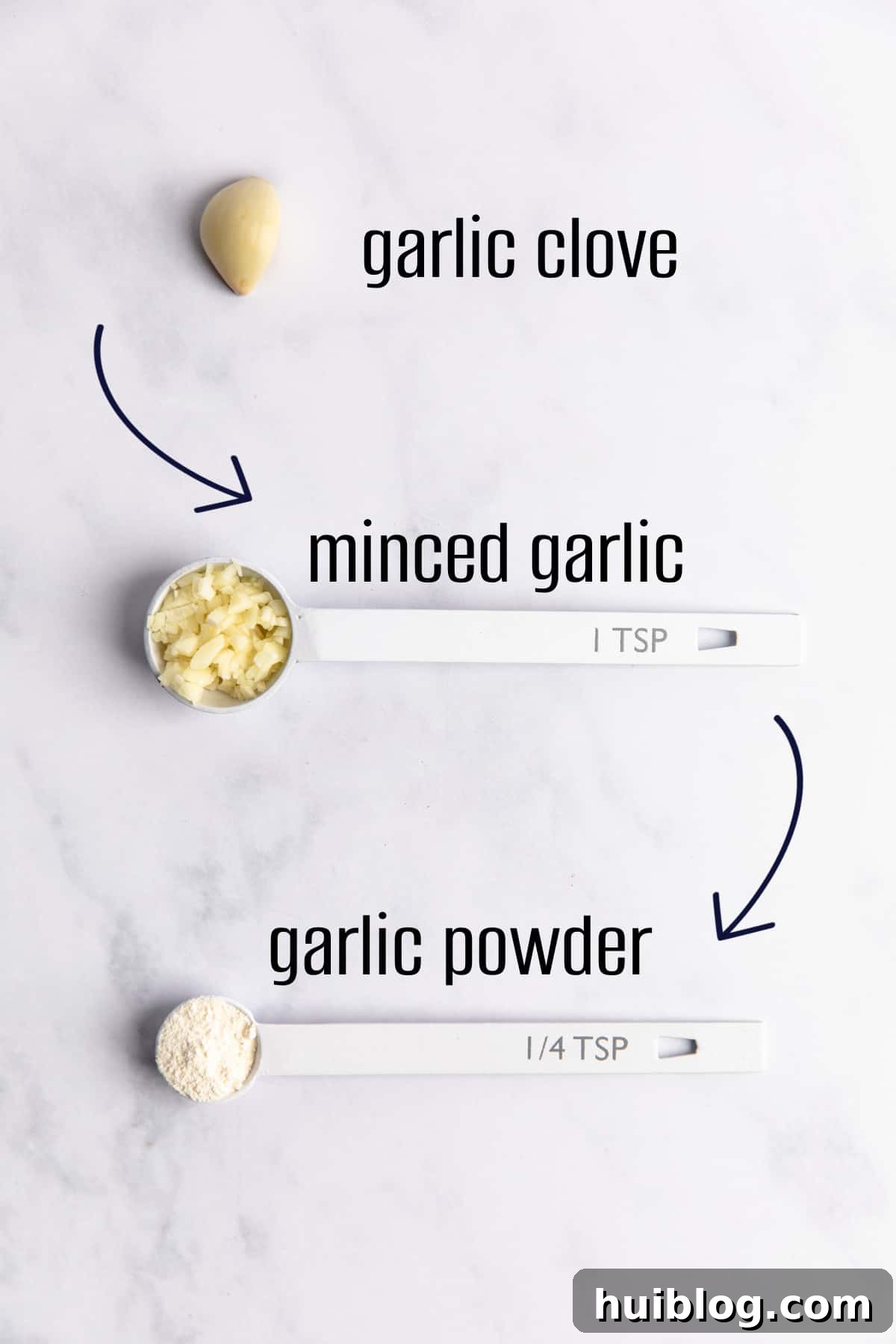
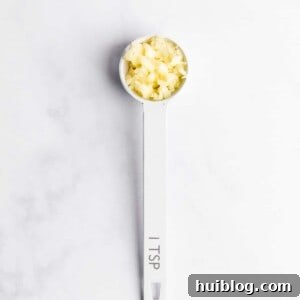
1 average-sized clove of garlic ≈ 1 teaspoon (tsp) of minced garlic.
It’s important to remember that this is an approximation. A large clove could easily yield 1.5 teaspoons, while a small one might only produce half a teaspoon. Fresh garlic is remarkably potent, so even a small amount delivers significant flavor. Don’t hesitate to trust your judgment and adjust the quantity based on your love for garlic. If you adore its pungent kick, feel free to add an extra clove or two beyond what the recipe suggests. For those who prefer a subtler hint, err on the side of caution or use smaller cloves.
Fresh Clove to Garlic Powder
If fresh garlic isn’t available, garlic powder is a convenient and effective substitute. Garlic powder is made from dehydrated, finely ground garlic, making it significantly more concentrated in flavor than fresh garlic. Therefore, you’ll need only a fraction of the amount when substituting. The general conversion is:
1 average-sized clove of garlic ≈ 1/4 teaspoon (tsp) of garlic powder.
Always start with a smaller amount when using garlic powder and add more if needed, as its flavor can quickly overpower a dish. Remember that garlic powder disperses more evenly throughout a dish and doesn’t offer the same textural component as fresh minced garlic.
Other Garlic Substitutes
Beyond fresh cloves and powder, several other forms of garlic are available:
- Garlic Granules/Flakes: These are coarser than garlic powder, offering a texture closer to fresh garlic. The conversion is similar to powder, perhaps slightly more: 1 clove ≈ 1/2 teaspoon garlic granules.
- Garlic Salt: This is a blend of garlic powder and salt. If using garlic salt, reduce the amount of other salt in your recipe to avoid over-salting your dish. A rough conversion would be 1 clove ≈ 1/2 teaspoon garlic salt, but always taste and adjust.
- Pre-minced Garlic (Jarred): Convenient but often less flavorful than fresh garlic. It can also have a slightly bitter taste due to processing or added preservatives. For substitution, aim for 1 clove ≈ 1 teaspoon of jarred minced garlic, but be prepared that you might need to use a bit more to achieve comparable flavor intensity.
Using these conversion guidelines will help you confidently adapt recipes, whether you’re working with fresh garlic or its dried counterparts.
Mastering the Art of Mincing Garlic
Mincing garlic is a fundamental skill that every home cook should master. The way you prepare garlic significantly impacts its flavor release. Finely minced garlic releases more of its allicin (the compound responsible for garlic’s pungent flavor and many health benefits), leading to a stronger taste. Here are two popular and effective methods for mincing garlic:
Step-by-Step Guide to Peeling Garlic
Before mincing, you need to peel the garlic. Here’s a quick method:
- Separate the Clove: Break off a single clove from the garlic bulb.
- Smash (Optional but Recommended): Place the clove on a cutting board and lay the flat side of a chef’s knife over it. With the heel of your hand, firmly press down on the knife to slightly smash the clove. This action loosens the papery skin, making it much easier to remove.
- Peel: The skin should now come off easily. Discard the skin.
- Trim: Cut off the hard, woody root end of the clove.
Mincing with a Knife
Using a sharp chef’s knife is a classic and versatile method for mincing garlic:
- Prepare the Clove: Peel and trim the root end as described above.
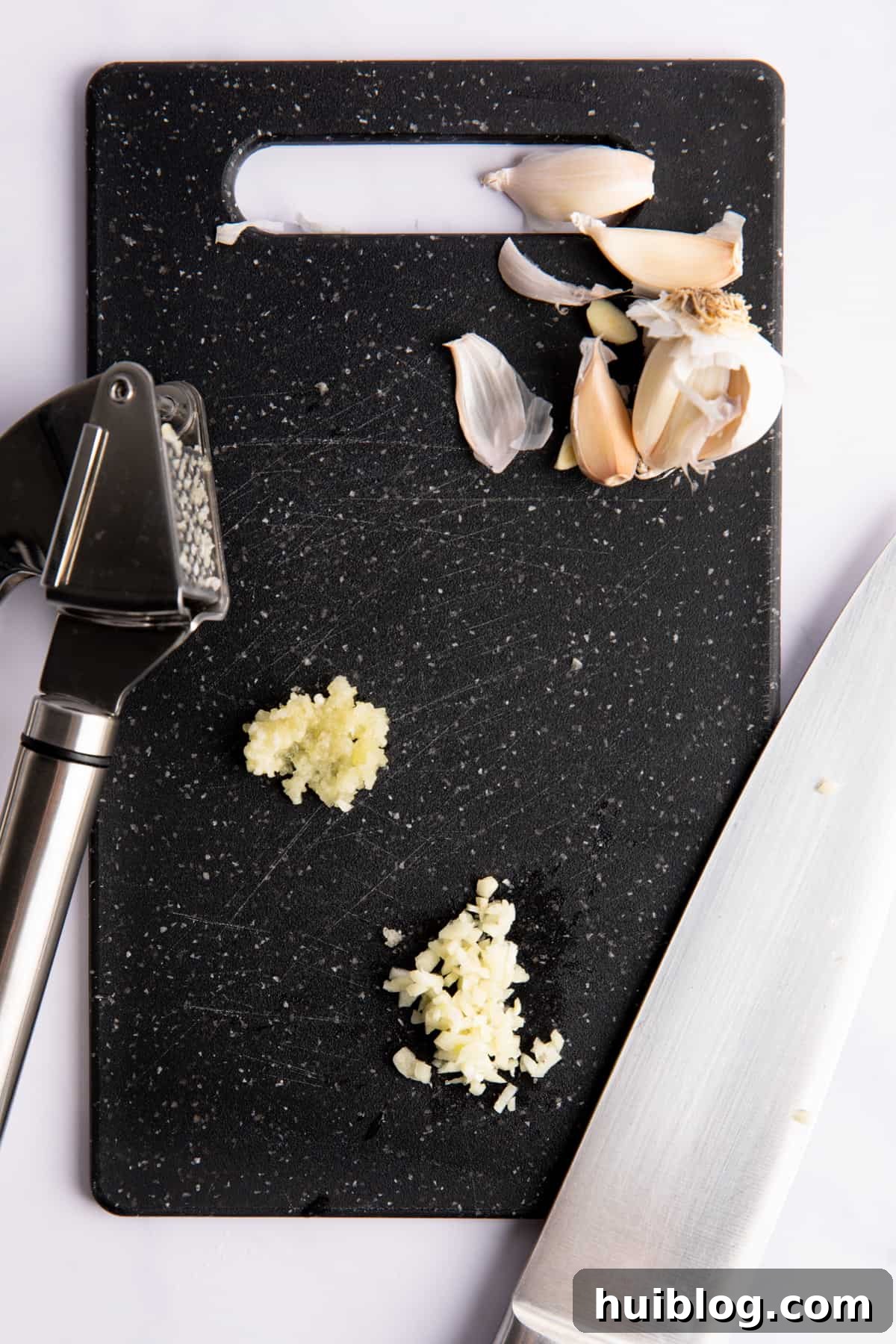
- Slice: Place the peeled clove on a cutting board. Hold your knife securely and slice the garlic thinly lengthwise into several uniform pieces.
- Julienne: Gather the sliced pieces and cut them crosswise into very thin strips (julienne).
- Mince: Rotate the garlic 90 degrees and chop finely, rocking your knife back and forth over the garlic until it reaches your desired consistency. For an even finer mince, you can run your knife through the garlic multiple times, scraping it together occasionally.
Using a Garlic Press
A garlic press offers a quick and easy alternative, especially when preparing large quantities of garlic:
- Prepare the Clove: Peel the garlic clove and trim the root end. Some garlic presses are designed to handle unpeeled cloves, but peeling generally yields better results and easier cleaning.
- Press: Place the peeled clove into the chamber of the garlic press. Close the handles firmly, squeezing the garlic through the small holes.
- Collect: The minced garlic will emerge from the other side in a fine, almost purée-like consistency, often accompanied by some flavorful juice. This “juice” integrates seamlessly into sauces and dressings, imparting a strong garlic flavor.
- Clean: Use a small brush or the built-in cleaner (if your press has one) to remove any garlic residue from the holes.
Other Cutting Techniques and Flavor Impact
- Slicing: Thicker slices offer a milder, sweeter flavor when cooked slowly, as the garlic’s surface area exposed to heat is less.
- Chopping: A coarser chop provides a more noticeable textural presence and a moderate garlic flavor.
- Crushing/Smashing: Large pieces of crushed garlic release a robust flavor but can be easily removed before serving, perfect for infusing oils or broths.
- Grating: Using a microplane grater yields an extremely fine, almost paste-like garlic, intensifying its raw flavor and aroma, excellent for dressings or finishing dishes.
Experiment with these techniques to understand how each imparts a different character to your culinary creations.
Tips for Cooking with Garlic
Garlic’s flavor profile transforms with heat. Knowing when and how to add it to your dishes is crucial for maximizing its potential.
- When to Add Garlic:
- For a mellow, sweeter garlic flavor, add minced or sliced garlic early in the cooking process, allowing it to soften and caramelize. This is ideal for sauces, stews, and roasted vegetables.
- For a pungent, sharp garlic kick, add it towards the end of cooking. This is perfect for quick sautés, stir-fries, or finishing dishes where you want a vibrant, fresh garlic presence.
- Avoiding Burnt Garlic: Garlic burns quickly due to its high sugar content, and burnt garlic turns acrid and bitter, ruining a dish.
- Always cook garlic over medium-low to medium heat.
- Add garlic to the pan after aromatics like onions have started to soften, giving it less time to cook.
- Keep a close eye on it and stir frequently. Cook until fragrant and lightly golden, usually just 30-60 seconds, then immediately add other ingredients or a splash of liquid to cool the pan.
- Roasting Garlic: Roasting whole garlic bulbs in the oven transforms their sharp, pungent flavor into a sweet, creamy, and spreadable delicacy. Cut off the top quarter of a garlic head, drizzle with olive oil, wrap in foil, and roast at 400°F (200°C) for 30-45 minutes until soft and caramelized. This mellow form is excellent for spreads, mashed potatoes, or even eating straight.
By following these simple tips, you can ensure that your garlic always contributes its best to your meals.
Health Benefits and Nutritional Value of Garlic
Beyond its culinary prowess, garlic has been revered for centuries for its medicinal properties. Rich in vitamins C and B6, manganese, and selenium, garlic is also a natural source of allicin, a powerful sulfur-containing compound responsible for many of its health benefits. Studies suggest that regular garlic consumption may help boost the immune system, reduce blood pressure, lower cholesterol levels, and even possess anti-inflammatory and antioxidant effects. Incorporating garlic into your diet is not only a fantastic way to enhance flavor but also a smart choice for your overall well-being.
Delicious Recipes Featuring Garlic
Garlic’s versatility shines in a multitude of dishes. Here are some delectable recipes where garlic truly plays a starring role:
- Cast Iron Ribeye (with Garlic Herb Butter)
- Garlic Herb Prime Rib
- Shrimp Boil (With Garlic Butter Sauce)
- Garlic Butter Smashed Potatoes
Minced Garlic
0 mins
0 mins
1
Serene
Ingredients
- 1 garlic clove
Instructions
-
Remove the peel from the bulb of garlic to expose the individual cloves.
-
Separate the clove from the bulb and remove the peel from the clove.
-
Cut off the root end of the clove of garlic.
-
Mince using a knife or garlic press.
Equipment
-
garlic press
-
chefs knife
Notes
1 clove garlic = 1 tsp minced garlic
1 clove garlic = 1/4 tsp garlic powder
Nutrition information is automatically calculated, so should only be used as an approximation.
Like this? Leave a comment below!
Mastering the humble garlic clove is a journey that enriches your cooking and deepens your appreciation for this incredible ingredient. From understanding its anatomy and the variability in clove sizes to confidently converting between fresh and dried forms, you now possess the knowledge to accurately incorporate garlic into any recipe. Remember to trust your palate, experiment with different preparation methods, and always be mindful of when to add garlic to achieve the perfect flavor balance. Embrace the versatility of garlic, and let its aromatic magic transform your culinary adventures.