
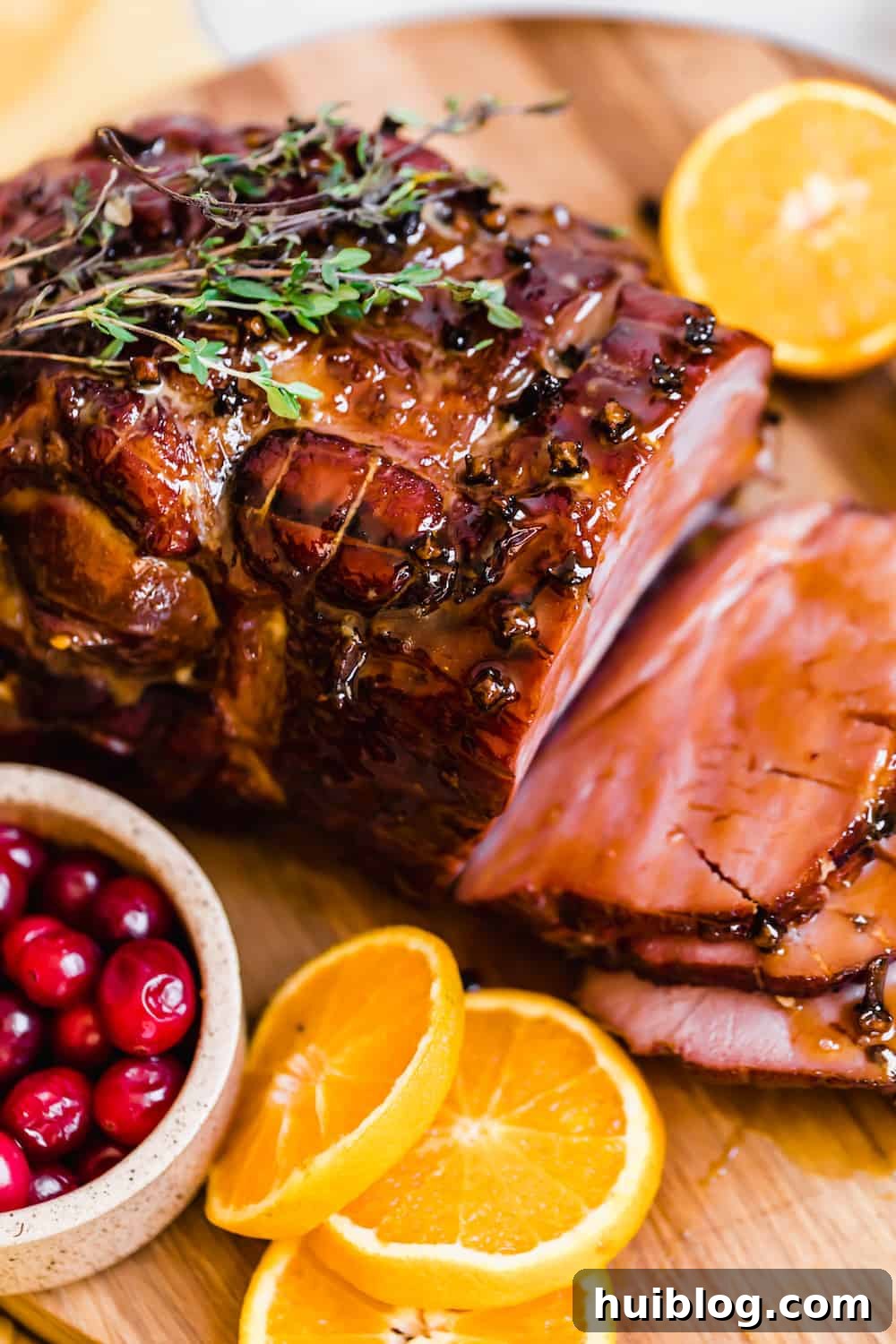
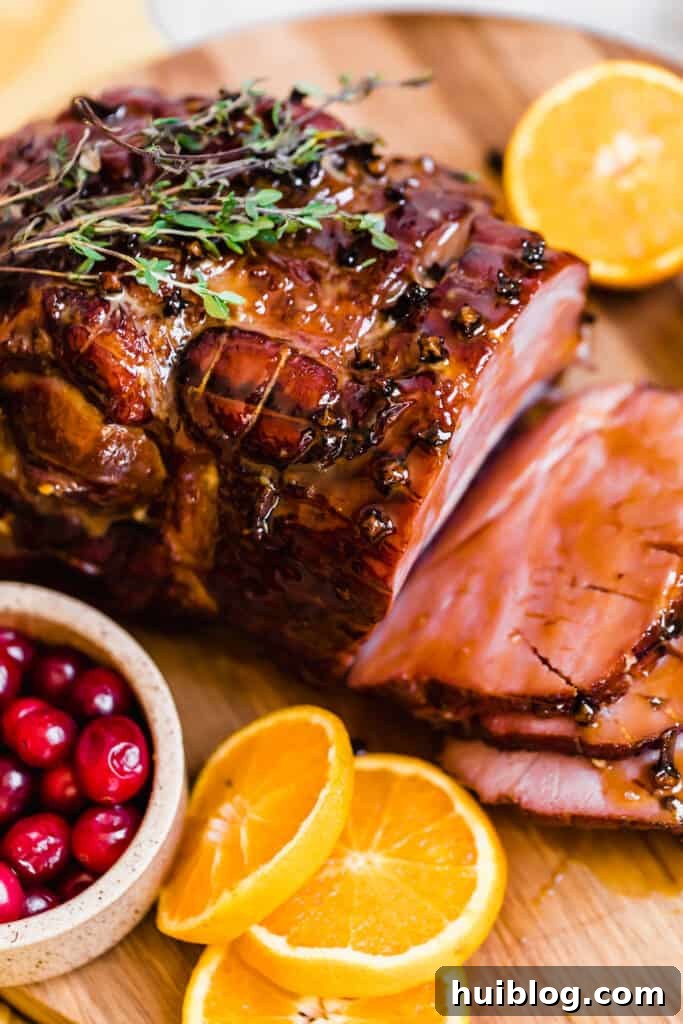
There’s a reason why some dishes become cherished traditions, passed down through generations. For many, the festive season isn’t complete without the gleaming centerpiece of a perfectly cooked ham, and this Christmas Ham with Brown Sugar Glaze is truly a showstopper. Scored in an elegant diamond pattern, studded with fragrant cloves, and bathed in a luscious honey-Dijon brown sugar glaze, this holiday classic promises to be the highlight of your Christmas feast. While its appearance might suggest hours of complex culinary work, you’ll be delighted to discover just how incredibly straightforward it is to prepare, leaving you more time to enjoy the magic of the holidays with your loved ones.
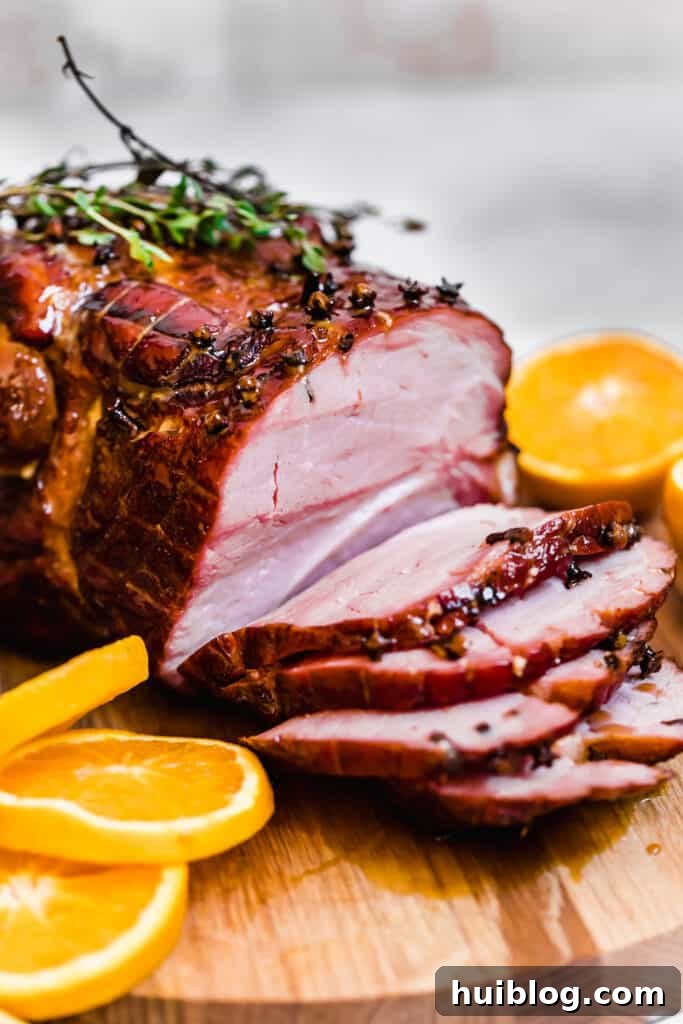
While Thanksgiving often features a majestic roast turkey, Christmas invites the irresistible allure of a beautifully baked ham. This recipe isn’t just about creating a meal; it’s about crafting an experience, a moment where flavors and aromas intertwine to create lasting holiday memories. Its effortless preparation makes it an ideal choice for busy households during the bustling festive season, allowing you to present an unforgettable main dish without the stress. The rich, succulent ham, perfectly complemented by its sweet and tangy glaze, elevates any holiday gathering, turning a simple meal into a festive celebration that truly embodies the spirit of Christmas.
Choosing the Perfect Ham for Your Holiday Table
Selecting the right ham is the first step to achieving a truly spectacular Christmas centerpiece. Hams generally come in two main “cuts”: the shank and the butt. Both are excellent choices for this recipe, particularly if you opt for a half ham. Your decision often comes down to personal preference and ease of carving.
- Shank Half: This cut comes from the lower part of the pig’s leg and typically has only one long bone, making it considerably easier to carve into elegant slices. It tends to be leaner, offering a more uniform texture.
- Butt Half: Originating from the upper part of the leg, the butt half usually boasts a slightly rounder shape and often contains more meat with a bit more marbling, leading to a richer flavor. However, it can have multiple bones, making carving a bit more challenging.
Regardless of whether you choose the shank or the butt, ensure you select a fully-cooked, bone-in ham for this recipe. A bone-in ham imparts superior flavor and moisture compared to its boneless counterparts. An 8 to 10-pound ham is ideal for feeding a larger family or for enjoying delicious leftovers. Fully cooked means less time in the oven and less guesswork for internal temperature, simplifying your holiday cooking.
Essential Ingredients for an Unforgettable Glaze
The magic of this Christmas ham lies not just in the tender meat, but profoundly in its rich, aromatic glaze. This sticky, sweet-and-savory coating transforms a simple ham into a gourmet delight. Gathering your ingredients is straightforward, ensuring you have everything on hand to create this standout holiday dish.
- Fully-Cooked Bone-In Ham: As discussed, an 8 to 10-pound ham is perfect. The bone adds depth of flavor and helps keep the ham moist throughout the baking process.
- Whole Cloves: These fragrant spices are not just for decoration; they infuse the ham with a warm, festive aroma and a subtle, spicy flavor that beautifully complements the sweet glaze. You’ll need about two tablespoons.
- Brown Sugar: The foundation of our irresistible glaze. A full cup of brown sugar provides the caramel notes and sweetness. Light brown sugar offers a milder sweetness, while dark brown sugar introduces a deeper, more molasses-rich flavor that adds complexity.
- Honey: Half a cup of your favorite honey contributes a golden hue and a nuanced sweetness that pairs perfectly with the brown sugar, creating a truly luxurious glaze.
- Dijon Mustard: Three tablespoons of good quality Dijon mustard are key to balancing the sweetness with a pleasant tang and a subtle, sharp kick. It cuts through the richness of the ham and adds a sophisticated depth of flavor. Feel free to adjust the amount to suit your taste, adding a little more for a bolder mustard note.
- Ground Allspice: While optional, a touch of ground allspice elevates the glaze with its unique blend of cinnamon, nutmeg, and clove notes. It’s a hallmark of holiday baking and pairs exceptionally well with ham, adding that extra layer of festive flavor.
How to Bake a Ham: Your Step-by-Step Guide
Crafting this holiday ham is a surprisingly simple process, designed to yield maximum flavor with minimal fuss. Follow these detailed steps to achieve a perfectly cooked, beautifully glazed Christmas ham that will impress every guest at your table.
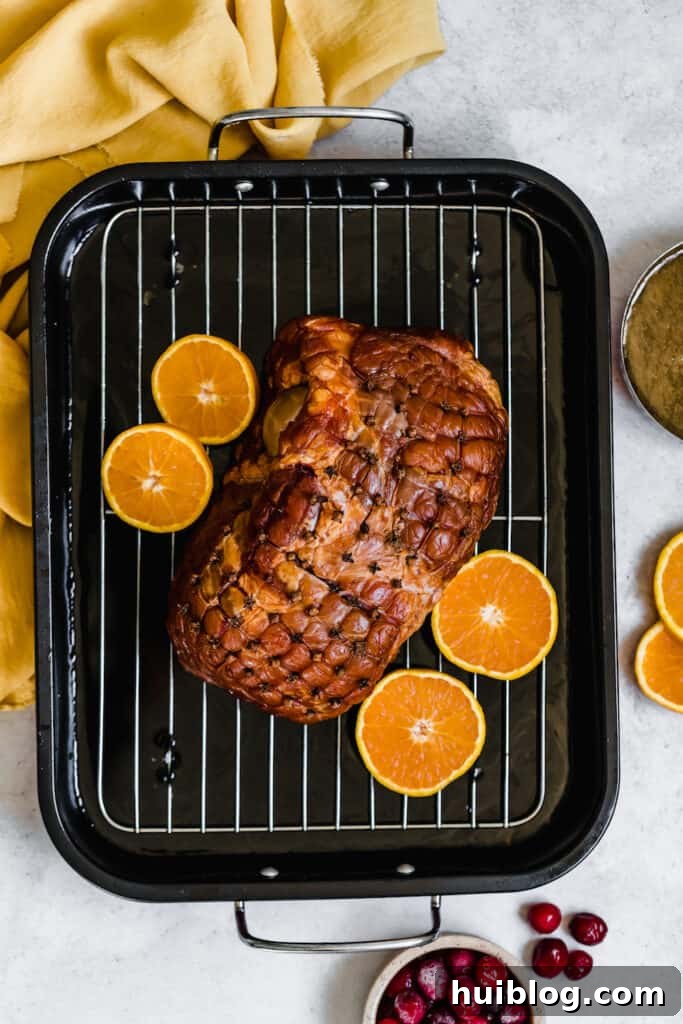
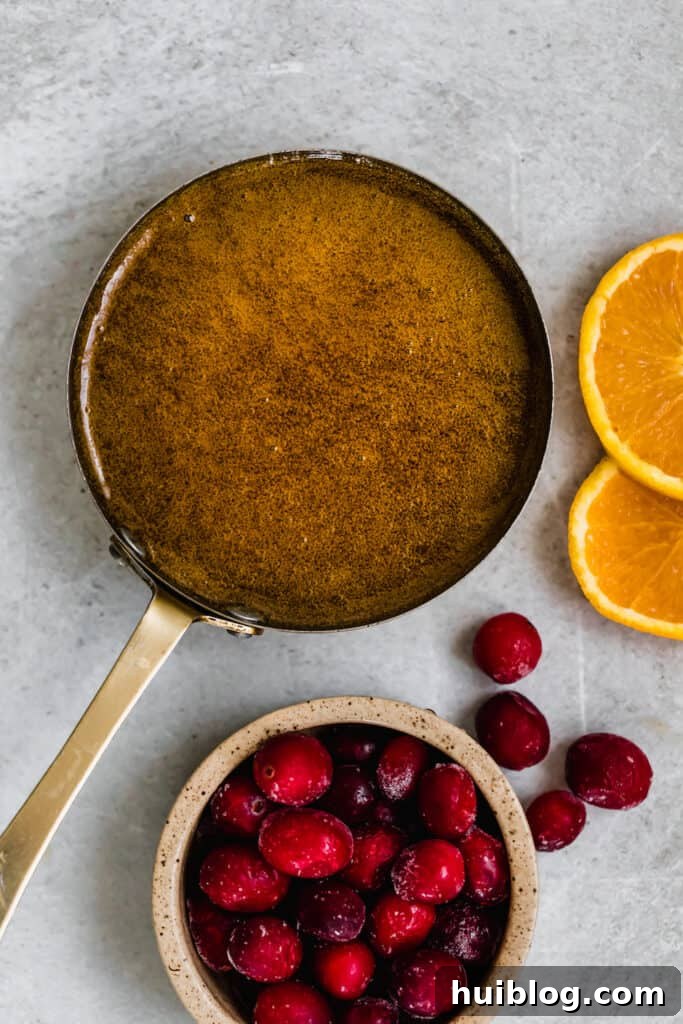
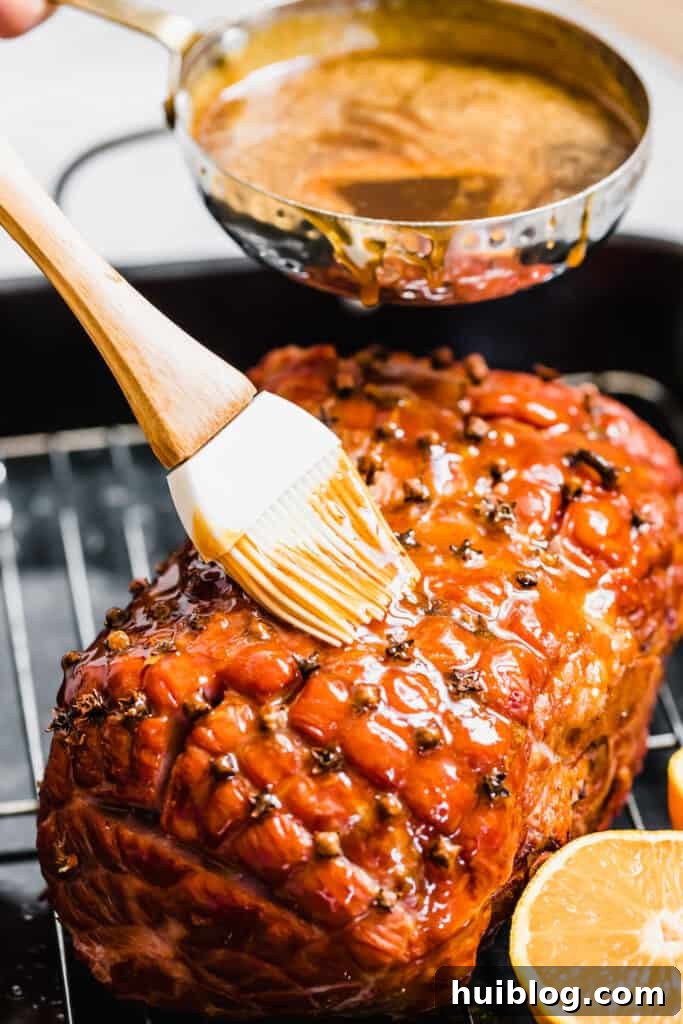
- Prepare Your Oven and Roasting Pan: Begin by preheating your oven to 325°F (160°C). Pour one cup of water into the bottom of a sturdy roasting pan. This creates a moist environment for the ham, preventing it from drying out. Place a roasting rack over the water, then position the ham, cut-side down, on the rack.
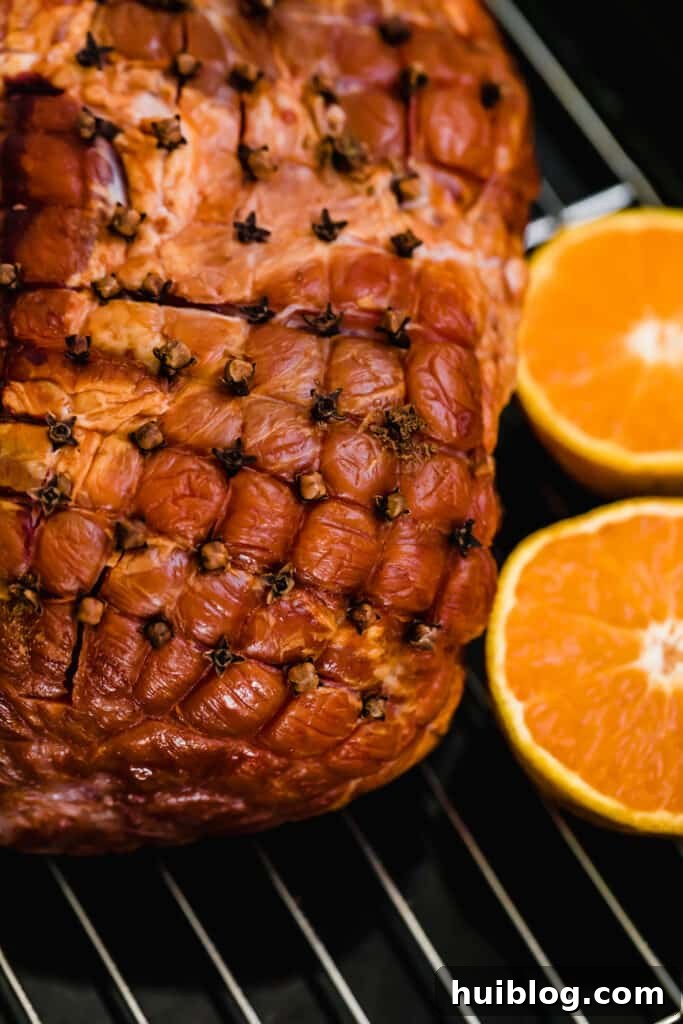
- Score and Stud the Ham: Scoring the ham’s fatty exterior is crucial for both presentation and flavor absorption. Using a sharp knife, carefully score the fat layer in a diamond or square pattern, cutting about ¾ of an inch deep, ensuring you don’t cut into the meat itself. This allows the glaze to penetrate and creates a beautiful caramelized crust. If using, stud each diamond or intersection with a whole clove for aromatic flavor and a traditional festive look.
- Initial Bake and Glaze Preparation: Loosely tent the ham with aluminum foil, creating a small “tent” that allows steam to circulate and keeps the ham moist. Place it in the preheated oven and bake for 20 minutes. While the ham is baking, prepare your luscious brown sugar glaze. In a small saucepan, combine the brown sugar, honey, Dijon mustard, and ground allspice. Bring the mixture to a gentle boil over medium heat and let it simmer for two minutes until it slightly thickens and all ingredients are well combined. For an added layer of flavor, consider stirring in a couple of tablespoons of orange juice or pineapple juice.
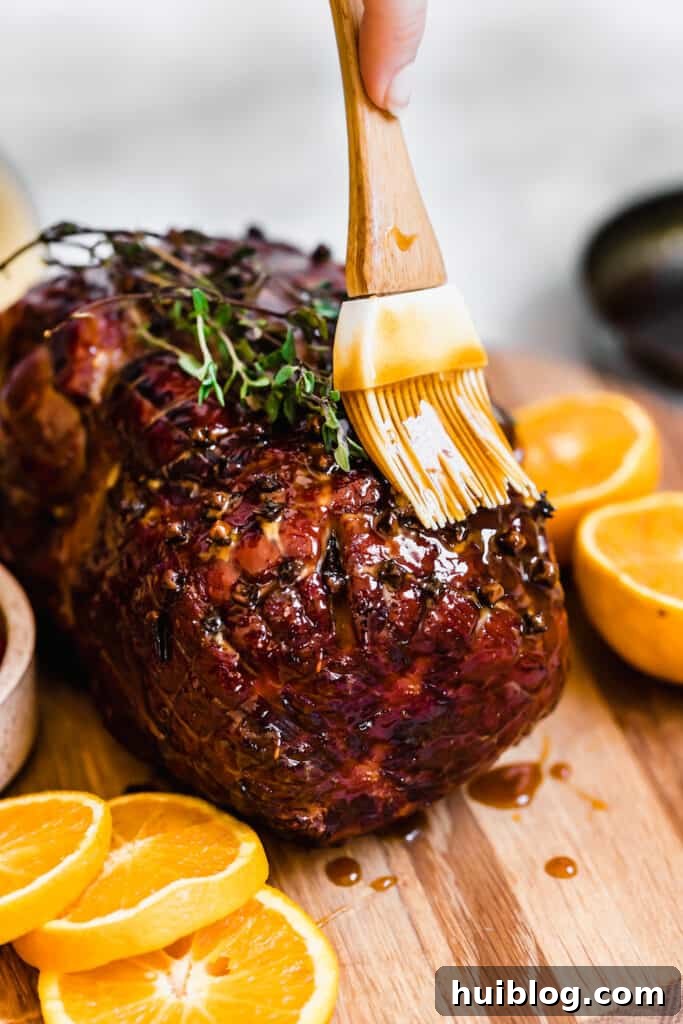
- Glaze, Baste, and Continue Baking: After the initial 20 minutes, carefully remove the ham from the oven and lift the foil tent. Using a pastry brush, generously baste the ham with a portion of your freshly made glaze, ensuring an even coating. Return the foil tent and place the ham back in the oven. Continue baking for approximately 20 minutes per pound of ham. The key to a truly flavorful ham is consistent basting; every 20 minutes, remove the foil, baste the ham with more glaze, and then re-cover it.
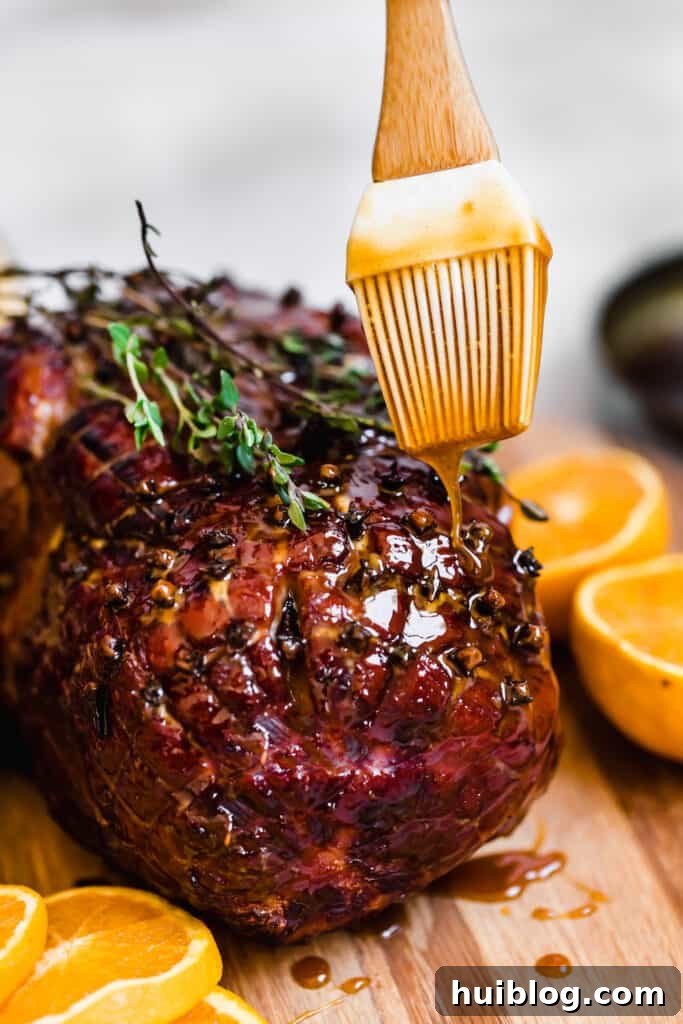
- Achieve the Perfect Caramelized Finish: Once the internal temperature of the ham reaches 130°F (54°C) on an instant-read food thermometer (remember, it’s already fully cooked, so we’re just heating it through and caramelizing the exterior), remove the foil tent for the final time. Baste the ham once more with any remaining glaze. Increase the oven temperature to BROIL. Broil the ham for 3 to 5 minutes, carefully watching it to prevent burning, until the glaze is beautifully caramelized, glossy, and slightly bubbly. This step creates that irresistible sweet and crispy crust.
- Rest, Slice, and Serve: Remove the perfectly baked ham from the oven and immediately cover it again with the foil. Allow the ham to rest for a full 20 minutes before carving. This crucial resting period allows the juices to redistribute throughout the meat, resulting in an incredibly tender and succulent ham. Once rested, slice generously and serve this magnificent Christmas ham to your eager guests.
Pro Tips for the Best Baked Ham
While the recipe itself is straightforward, a few expert tips can elevate your Christmas ham from great to absolutely extraordinary. These insights will help you customize your glaze and ensure your ham is perfectly cooked every time.
- Glaze Customization & Sugar Substitutes: The brown sugar glaze is classic, but don’t hesitate to experiment! You can substitute raw sugar, turbinado sugar, or even maple syrup for brown sugar, adjusting amounts as needed due to varying sweetness levels and consistencies. For a fruitier note, replace some of the water in the roasting pan with apple cider, pineapple juice, or orange juice. You can also add a pinch of ginger or a dash of cinnamon to the glaze for extra warmth.
- Mustard Variations: Dijon mustard provides a perfect balance, but other mustards can create delightful variations. Try a spicy brown mustard for more kick, a honey mustard for extra sweetness, or a grainy deli mustard for added texture and a more robust flavor. Play with the quantities until you find your preferred balance.
- Spice it Up (or Down!): Whole cloves and ground allspice add a quintessential holiday aroma and flavor, but if you prefer a simpler profile or are preparing the ham for a different occasion (like Easter), feel free to omit them. The ham will still be delicious with just the honey-Dijon brown sugar glaze.
- Don’t Forget the Thermometer: An instant-read food thermometer is your best friend when baking ham. For a fully cooked ham, you’re aiming for an internal temperature of 130°F (54°C) before broiling to ensure it’s heated through and ready for caramelization.
- Prevent Drying: The foil tent and the cup of water in the roasting pan are crucial for preventing the ham from drying out. Consistent basting also helps keep the surface moist and flavorful.
Perfect Pairings: What to Serve with Your Christmas Ham
A magnificent Christmas ham deserves equally delicious accompaniments. Here are some serving suggestions to complete your festive spread, offering a delightful balance of flavors and textures that complement the richness of the ham:
- Roasted Vegetables: A medley of Easy Roasted Vegetables, such as carrots, Brussels sprouts, and potatoes, adds vibrant color and earthy flavors. Their slight caramelization from roasting pairs beautifully with the ham’s glaze.
- Cheesy Casseroles: Creamy, comforting casseroles are always a hit. This Cheesy Squash and Zucchini Casserole or a rustic Zucchini Tomato Gratin makes a fantastic, flavorful side dish that families will adore.
- Homemade Dinner Rolls: What’s a holiday meal without fresh bread? Serve with soft, fluffy Butter Swim Biscuits or easy No-Knead Dinner Rolls to soak up all the delicious ham juices and glaze.
- Mashed Potatoes: A classic side, creamy mashed potatoes provide a comforting contrast to the ham’s sweetness and savory notes.
- Green Bean Casserole: A holiday staple, the rich, savory flavors of a green bean casserole are always a welcome addition.
Maximizing Your Leftovers: Storage and Reheating
One of the best parts of making a large holiday ham is the promise of delicious leftovers! Proper storage ensures your ham remains fresh, and thoughtful reheating methods bring it back to life.
- To Refrigerate: Once the ham has cooled to room temperature, slice any remaining meat from the bone and store it in airtight containers or wrapped tightly in plastic wrap. It will stay fresh in the refrigerator for 3 to 5 days.
- To Freeze: For longer storage, tightly wrap individual portions or slices of ham in plastic wrap, then place them in freezer-safe bags or containers. Press out as much air as possible before sealing to prevent freezer burn. Frozen ham can be stored for 1 to 2 months. Thaw overnight in the refrigerator before reheating.
- To Reheat:
- Microwave: For quick reheating of individual slices, place them on a microwave-safe plate and heat in 15-second increments until warm.
- Stovetop: Gently fry or sauté slices in a skillet with a little cooking spray or butter over medium-low heat until heated through and slightly crispy.
- Oven: For larger portions or to retain moisture, place ham slices or smaller chunks in an oven-safe dish with a splash of water or broth, cover with foil, and heat at about 350°F (175°C) until warmed through.
- Creative Uses for Leftovers: Beyond reheating, leftover ham is incredibly versatile! Enjoy it cold in sandwiches, chop it into salads, use it in omelets, add it to split pea soup, or even make delicious ham and cheese sliders.
Frequently Asked Questions About Baking Christmas Ham
To help you prepare the best possible Christmas ham, here are answers to some common questions:
- What kind of ham should I buy for Christmas? For this recipe, a fully-cooked, bone-in ham (either shank or butt half) is recommended. Bone-in hams offer the best flavor and moisture.
- Do I need to soak my ham before baking? Most hams available today are pre-cured and don’t require soaking. If you have an uncooked, country-style ham, follow its specific package instructions, which may include soaking to reduce saltiness. For a fully-cooked ham, simply prepare it as directed in this recipe.
- How long does it take to cook a fully cooked ham? A fully cooked ham primarily needs to be heated through. Generally, this is about 15-20 minutes per pound at 325°F (160°C). Always refer to your ham’s packaging for specific instructions, and use an instant-read thermometer to ensure it reaches 130°F (54°C).
- Can I prepare the glaze ahead of time? Yes, you can prepare the brown sugar glaze a day or two in advance. Store it in an airtight container in the refrigerator. Reheat gently on the stovetop over low heat, stirring occasionally, until it’s pourable and warm before basting the ham.
- What if I don’t have a roasting rack? If you don’t have a roasting rack, you can create a makeshift one by crumpling aluminum foil into several large balls and placing them at the bottom of your roasting pan. This will elevate the ham and allow for even cooking. You can also use sturdy vegetables like carrots and celery stalks.
Other Delicious Pork Recipes to Try
If you’ve enjoyed this ham recipe and are looking for more ways to incorporate savory pork into your weeknight meals or holiday spreads, explore these other fantastic dishes:
- Pesto Stuffed Pork Chops
- Crispy Oven Baked Bacon
- Italian Sausage Butternut Squash Soup
- Ham Bone Soup
- Pork Loin Roast with Vegetables
Print Recipe
Christmas Ham with Brown Sugar Glaze
Katerina | Easy Weeknight Recipes
15
minutes
3
hours
3
hours
15
minutes
16
Ingredients
For the Ham:
-
8 to 10
pound
bone-in fully cooked ham -
2
tablespoons
whole cloves,,
optional, but recommended
For the Glaze:
-
1
cup
brown sugar -
½
cup
honey -
3
tablespoons
dijon mustard -
¼
teaspoon
ground allspice
Instructions
-
Preheat oven to 325°F (160°C).
-
Pour 1 cup of water into the base of a roasting pan. Set a roasting rack on top.
-
Place ham, cut-side down, on the roasting rack.
-
Score the fat, creating a square or diamond pattern, cutting only 3/4-inch deep. Stud each diamond or intersection with a clove.
-
Tent the ham with foil so that it can steam, and bake for 20 minutes.
-
While the ham is cooking, make your glaze by combining the brown sugar, honey, dijon mustard, and ground allspice in a small saucepan over medium heat.
-
Boil for 2 minutes and then remove from heat.
-
Once the 20 minutes of cooking is up, remove the foil and baste or brush the ham with some of the glaze.
-
Return the foil tent and continue to bake for 20 minutes per pound of ham.
-
Every 20 minutes, baste the ham with more of the glaze and return the foil-tent each time.
-
Once the internal temperature of the ham has registered 130 degrees on your Instant Read Food Thermometer, remove the foil and baste with the glaze once again and then proceed to broil the ham for 3 to 5 minutes, or until the glaze has caramelized.
-
Remove the ham from the oven and return the foil. Allow to rest for 20 minutes before slicing and serving.
Equipment
-
Measuring Cups and Spoons
-
Chef’s Knife
-
Roasting Pan
-
Instant Read Food Thermometer
Nutrition
Calories:
425
kcal
|
Carbohydrates:
23
g
|
Protein:
43
g
|
Fat:
17
g
|
Saturated Fat:
4
g
|
Cholesterol:
166
mg
|
Sodium:
2657
mg
|
Potassium:
669
mg
|
Fiber:
1
g
|
Sugar:
22
g
|
Vitamin C:
53
mg
|
Calcium:
30
mg
|
Iron:
2
mg
Nutritional info is an estimate and provided as courtesy. Values may vary according to the ingredients and tools used. Please use your preferred nutritional calculator for more detailed info.
Did you make a recipe? Leave a rating!