
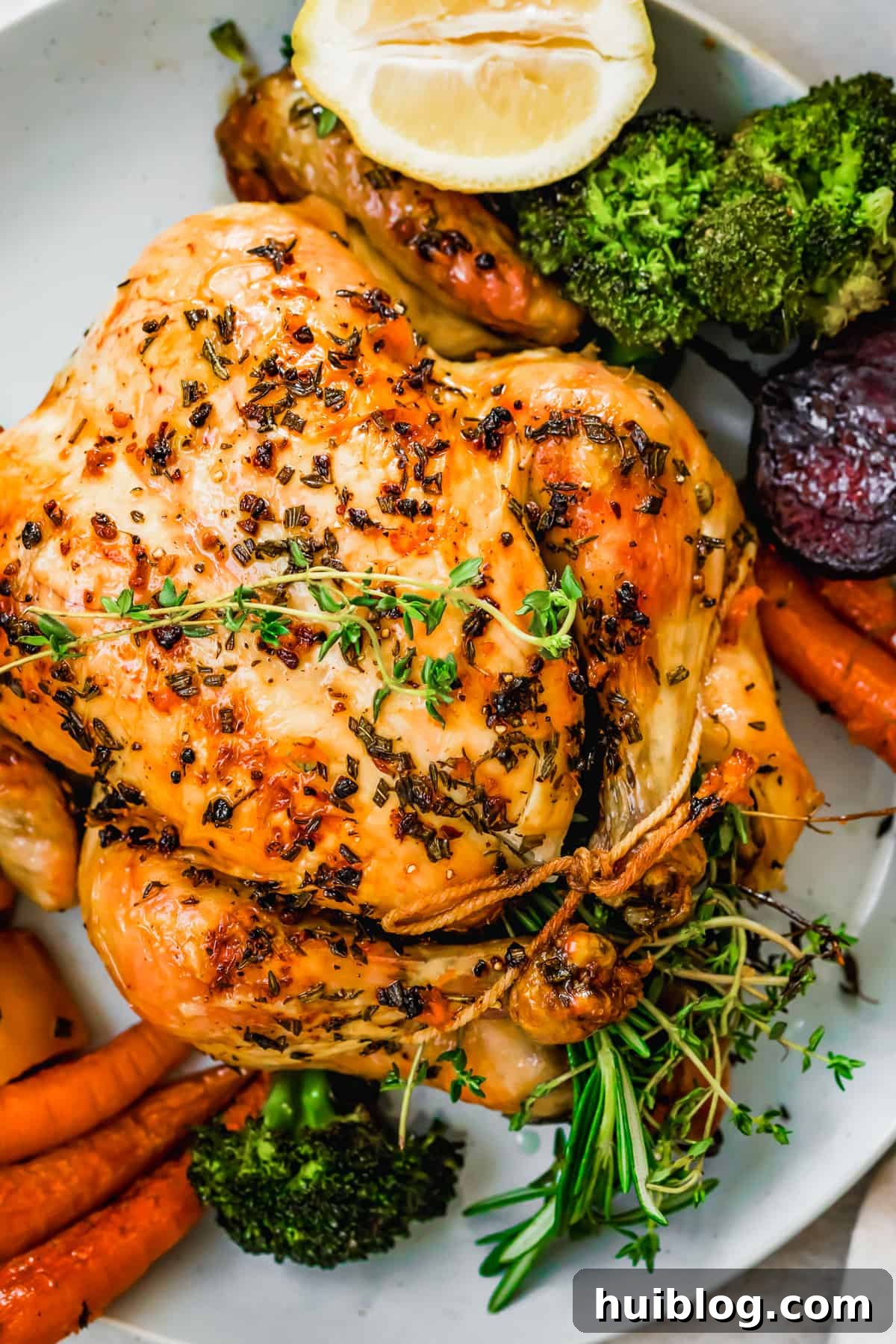
Juicy Whole Roast Chicken with Autumn Vegetables: A Timeless Comfort Meal
There’s something undeniably comforting and deeply satisfying about a perfectly roasted whole chicken, especially when nestled amongst a vibrant medley of seasonal autumn vegetables. This recipe for Juicy Whole Roast Chicken with Fall Vegetables transforms simple ingredients into an extraordinary culinary experience. It’s not just a meal; it’s a sensory journey – from the aromatic herbs filling your kitchen to the golden-crisp skin and succulent meat, complemented by tender, caramelized vegetables. This dish embodies the warmth and richness of classic comfort food, making it ideal for family dinners, special occasions, or simply a cozy night in. Prepare to elevate your home cooking with this nourishing, flavorful, and visually stunning centerpiece.
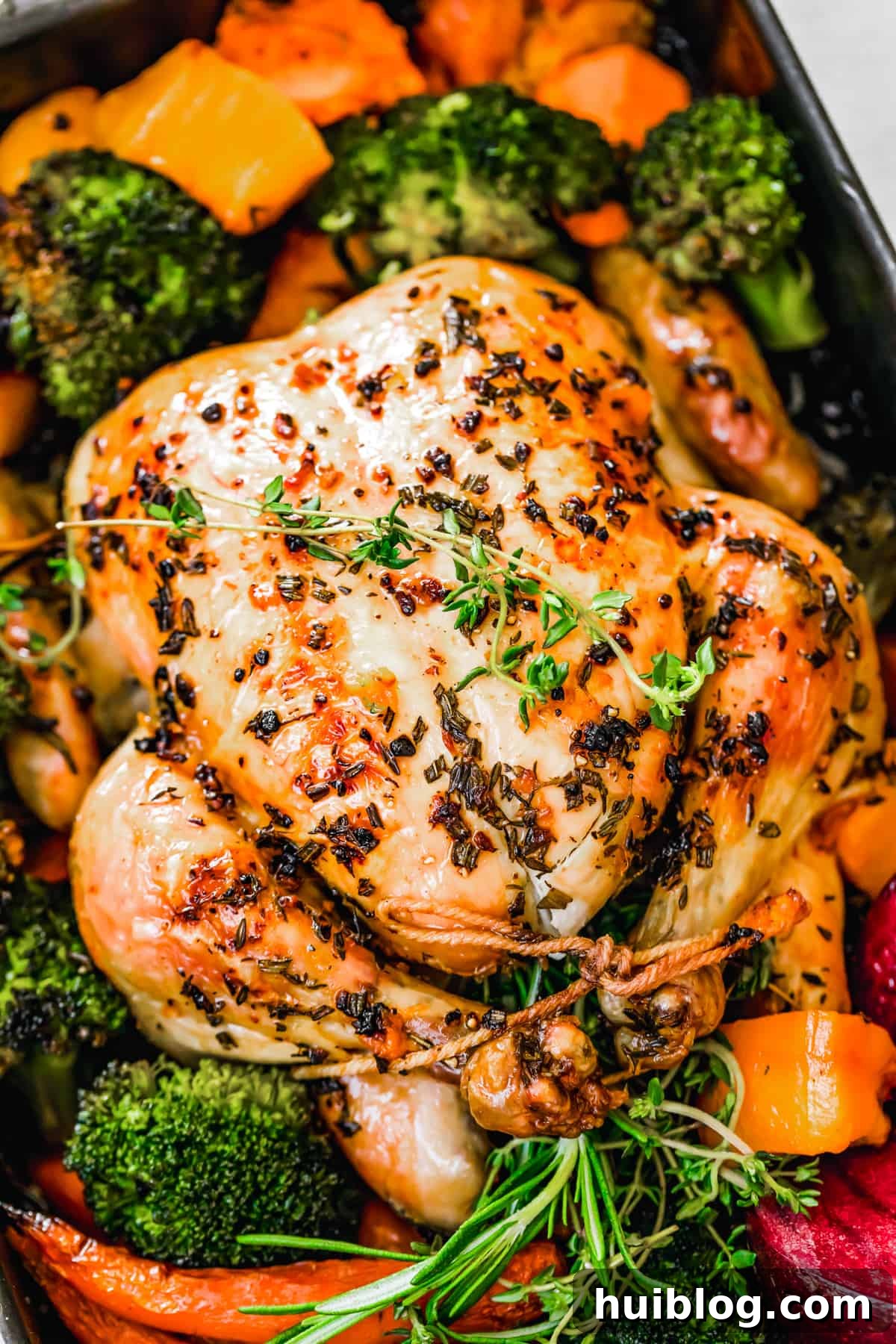
The Art of Roasting a Whole Chicken: My Go-To Method
Roasting a whole chicken is more than just cooking; it’s an experience, almost a meditative process that fills your home with incredible aromas and promises a truly satisfying meal. This method simplifies the traditional roast, making it accessible for even novice cooks, while guaranteeing an exceptionally flavorful and perfectly cooked bird every time. It’s my absolute favorite way to prepare a whole chicken because it focuses on enhancing the natural flavors with minimal fuss, using a blend of fresh herbs, zesty lemon, and aromatic garlic. The result is a time-honored classic that brings pure joy and nourishment to the table. This recipe ensures the chicken remains incredibly juicy on the inside, with that coveted crispy, golden skin on the outside, creating a meal that feels both special and effortlessly achievable.
Unveiling the Magic: Why This Roast Chicken Recipe Shines
What makes this particular roast chicken recipe a standout? It’s the harmonious blend of simplicity and spectacular results. We’re talking about a dish that requires just a handful of quality ingredients and a straightforward cooking technique, yet consistently delivers astonishing flavor and tenderness. The beauty lies in how each component plays a vital role: the succulent chicken, infused with fragrant herbs and lemon, and surrounded by naturally sweet and earthy root vegetables. This creates a symphony of complementary flavors, textures, and a visual feast of autumn and winter hues that brightens any dinner table. Furthermore, the carefully crafted roasting method guarantees a chicken that is incredibly juicy from the first bite to the last, making dry, bland chicken a thing of the past. It’s truly a testament to how uncomplicated cooking can yield truly magnificent results.
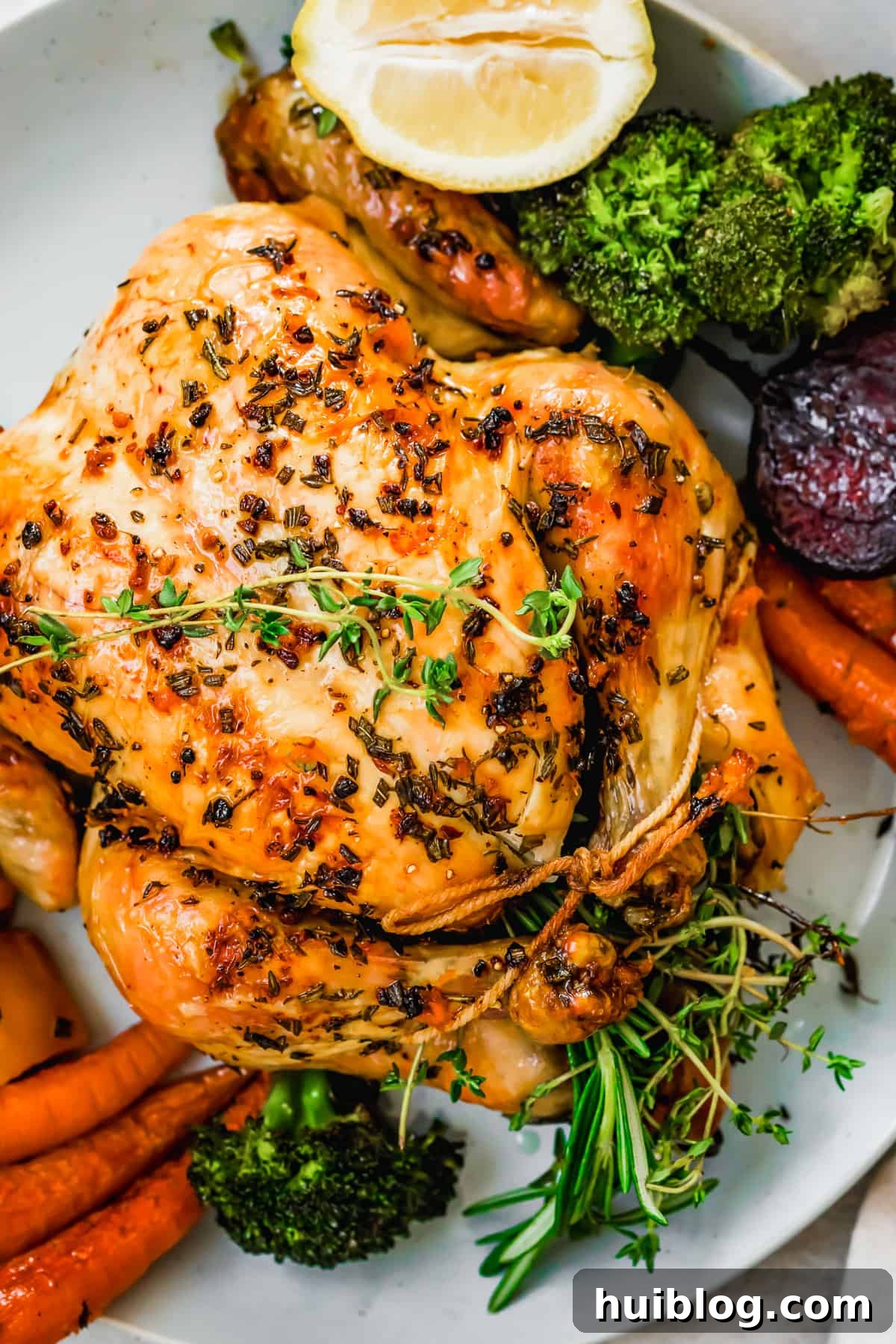
Essential Ingredients for Your Perfect Roast
Crafting this delightful roast chicken and vegetable dinner starts with selecting fresh, high-quality ingredients. Each item plays a crucial role in building the robust flavor profile and ensuring a nourishing meal. Here’s a detailed look at what you’ll need to create this autumn-inspired masterpiece:
For the Flavorful Whole Chicken:
- One Whole Chicken: Opt for a fresh, high-quality bird, ideally between 3 to 3.5 pounds for optimal cooking and tenderness. While a larger chicken can certainly be used, be prepared to adjust your roasting times accordingly to ensure it cooks through perfectly.
- Fresh Lemon: You’ll need half a lemon, cut into quarters. The lemon zest and juice, when placed in the cavity, infuse the chicken with a bright, aromatic freshness, cutting through the richness and adding a delightful tang.
- Aromatic Herbs (Thyme & Rosemary): Fresh sprigs of both thyme and rosemary (two sprigs of each) are essential for stuffing the cavity, releasing their volatile oils as the chicken roasts. Additionally, you’ll need about ½ teaspoon of finely chopped fresh thyme and ½ teaspoon of finely chopped fresh rosemary to incorporate into the savory rub, ensuring every inch of the skin is fragrant.
- Garlic: Two whole cloves of fresh garlic are perfect for the chicken’s cavity, slowly mellowing and perfuming the meat from within. Another clove, minced, will join the herb rub to create a potent flavor base that crisps beautifully on the skin.
- Premium Olive Oil: Approximately 3 tablespoons of good quality olive oil are needed. Extra-virgin olive oil is excellent for its flavor, but virgin or light olive oil works equally well. This oil creates a golden, crispy skin and helps all the seasonings adhere to the chicken.
- Salt and Freshly Ground Black Pepper: A generous seasoning of coarse sea salt and freshly cracked black pepper is fundamental to enhancing all the natural flavors and achieving that irresistible savory crust.
For the Vibrant Fall Vegetables:
- Assorted Root Vegetables: Embrace the bounty of the season with approximately half a pound each of baby beets (halved for even cooking), vibrant butternut squash (peeled and cubed into uniform pieces), sweet potatoes (also peeled and cubed), and tender baby carrots. These root vegetables caramelize beautifully, offering a sweet and earthy counterpoint to the savory chicken.
- Fresh Broccoli Florets: About half a pound of broccoli florets will be added later in the roasting process. This ensures they cook to a perfect tender-crisp texture without becoming mushy or burnt.
- Large Onion: One large onion, peeled and quartered, will add a foundational layer of sweetness and aroma to the vegetable medley as it roasts alongside the chicken.
- Olive Oil: Another 3 tablespoons of olive oil will coat the vegetables, helping them roast evenly, develop a beautiful char, and absorb the herb flavors.
- Lemon Juice: The remaining half of the lemon, juiced, will provide a bright, acidic finish to the roasted vegetables, enhancing their natural sweetness and adding a refreshing zest.
- Salt and Pepper: Crucial for seasoning the vegetables, bringing out their inherent flavors and ensuring a well-balanced taste.
- Fresh Rosemary Sprigs: Three additional sprigs of fresh rosemary, scattered amongst the vegetables, will impart a deep, woodsy aroma and flavor that perfectly complements the entire dish.
Step-by-Step Guide to Roasting Your Whole Chicken and Vegetables
Follow these detailed instructions to achieve a perfectly cooked, juicy whole roast chicken and tender, flavorful fall vegetables. Precision in each step ensures maximum flavor and an unforgettable dining experience.
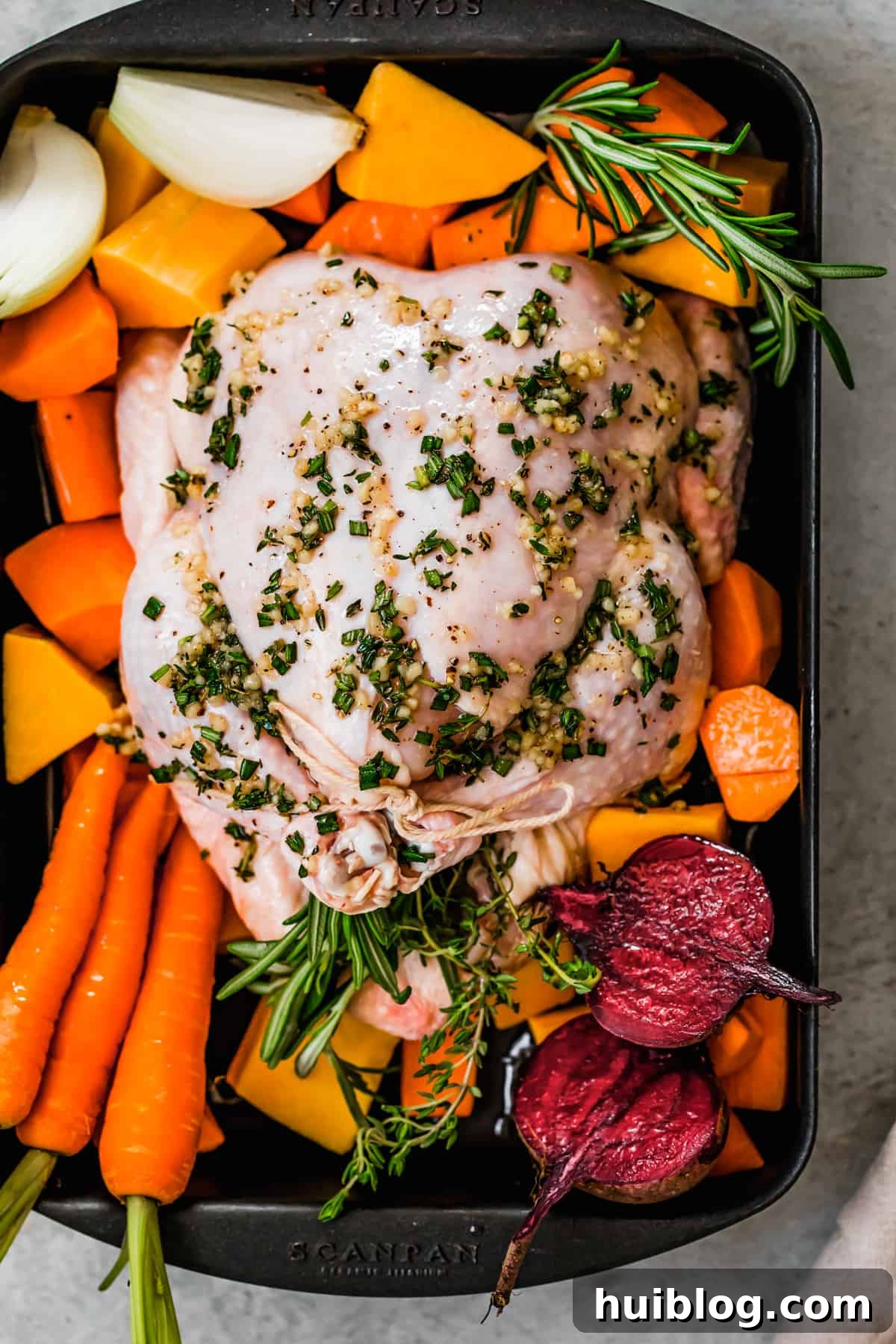
- Prepare the Oven and Chicken: Begin by preheating your oven to a robust 450°F (230°C). While the oven heats, thoroughly pat the entire chicken dry with paper towels. This crucial step helps in achieving that desirable crispy skin. Carefully place the lemon quarters, fresh thyme sprigs, fresh rosemary sprigs, and whole garlic cloves into the chicken’s cavity. Secure the chicken’s legs together using kitchen twine and tuck the wings neatly under the bird’s body. This ensures even cooking and a more attractive presentation.
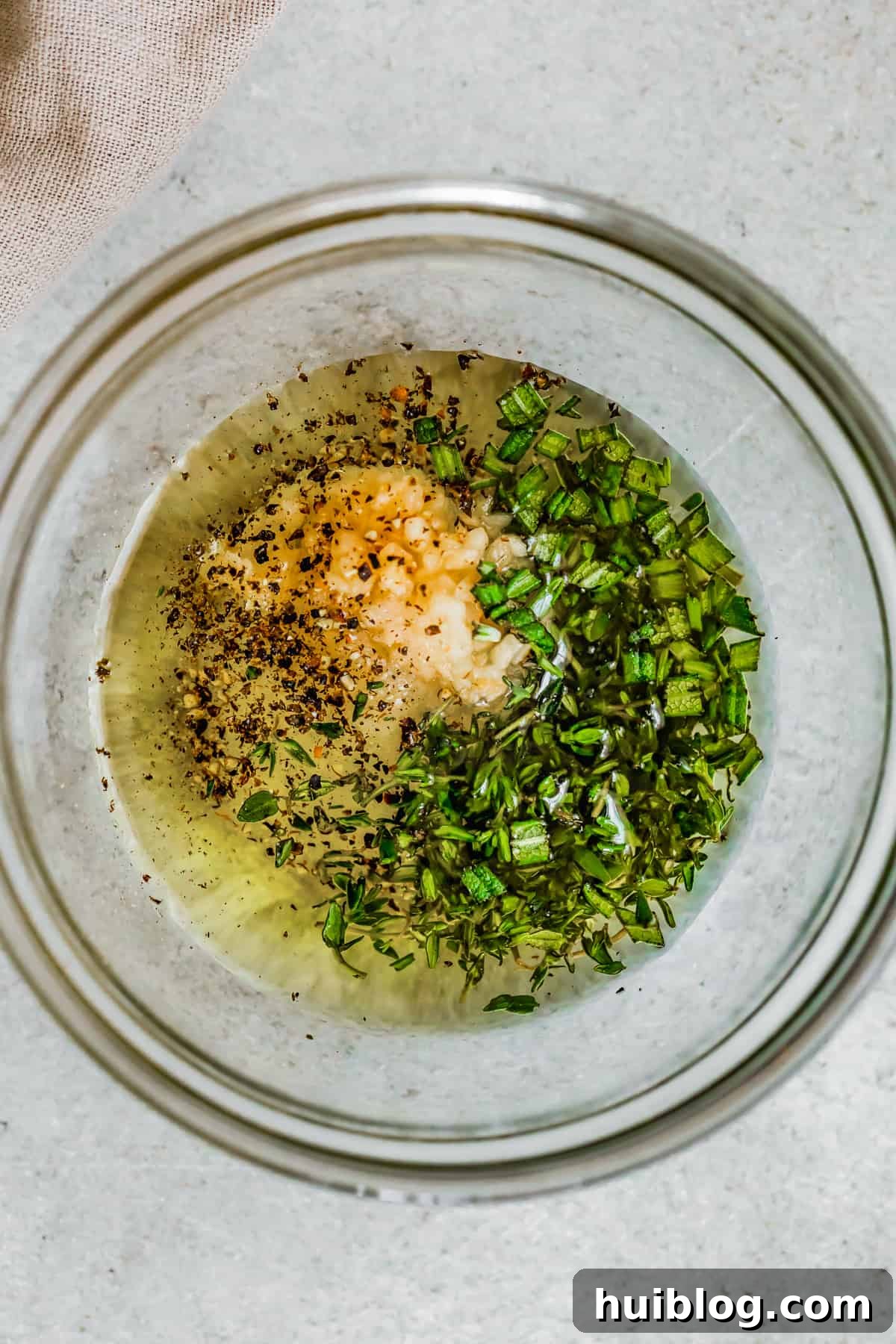
- Craft the Aromatic Herb Rub: In a small bowl, combine the 3 tablespoons of olive oil with the finely chopped fresh thyme, chopped fresh rosemary, minced garlic clove, ½ teaspoon of salt, and ¼ teaspoon of freshly cracked black pepper. Mix these ingredients thoroughly to create a fragrant, savory rub. Generously apply this olive oil and herb mixture all over the chicken skin, ensuring it’s completely coated. This rub not only infuses the skin with incredible flavor but also aids in achieving a beautiful golden-brown crust. Carefully transfer the prepared chicken to a large, sturdy roasting pan.
- Prepare and Arrange the Autumn Vegetables: In a separate large mixing bowl, combine all your prepared vegetables, except for the broccoli florets. This includes the halved baby beets, cubed butternut squash, cubed sweet potato, baby carrots, and quartered onion. Drizzle with the remaining 3 tablespoons of olive oil, the fresh lemon juice (from the other half of the lemon), ½ teaspoon of salt, and ½ teaspoon of freshly cracked black pepper. Toss gently until all the vegetables are evenly coated. Artfully arrange these seasoned vegetables in the roasting pan around the prepared chicken, ensuring they are in a single layer for optimal roasting. Finally, scatter the three sprigs of fresh rosemary over the vegetables for added aroma and flavor.
- The Roasting Process: Carefully place the roasting pan into your preheated 450°F (230°C) oven. Roast for an initial 12 minutes. This high-heat blast helps to achieve a crispy skin and locks in juices. After 12 minutes, reduce the oven temperature to 350°F (175°C) and continue roasting for approximately 45 more minutes. During this stage, the chicken cooks through and the vegetables begin to soften and caramelize.
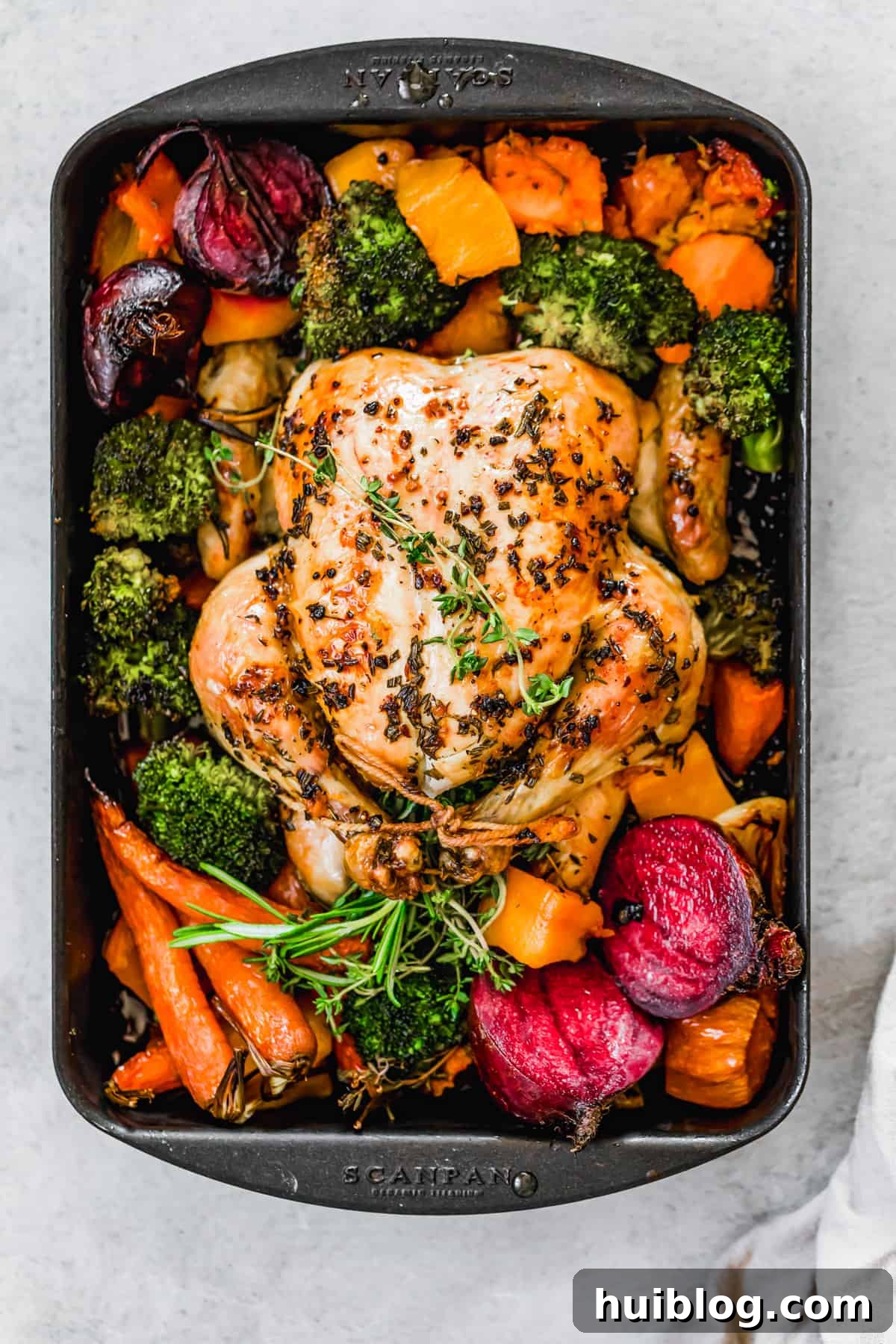
- Add Broccoli and Finish Roasting: After the 45-minute mark, carefully remove the roasting pan from the oven. Add the broccoli florets to the pan, tossing them gently with the other vegetables and pan juices. Return the pan to the oven and continue roasting for another 20 minutes, or until the chicken reaches a beautiful golden-brown color, is thoroughly cooked through, and the vegetables are perfectly tender and slightly caramelized.
- Rest and Enjoy: Once cooked, remove the chicken and vegetables from the oven. It is absolutely vital to let the chicken rest for at least 10-15 minutes before carving. This resting period allows the juices to redistribute throughout the meat, ensuring every slice is incredibly moist and flavorful. While the chicken rests, the vegetables will stay warm in the pan. Carve the chicken, arrange with the roasted vegetables on a platter, and serve immediately. Enjoy this delightful and nourishing feast!
Perfecting Roasting Times and Doneness
Understanding how long to roast a chicken is key to culinary success. While our recipe provides a specific timeframe for a 3-3.5 pound bird, knowing the general rule of thumb allows you to adapt to any size. Begin with an initial 12-minute blast at 450°F (230°C) to jumpstart the browning process. Subsequently, reduce the oven temperature to 350°F (175°C) and continue roasting for approximately 20 minutes per pound of chicken. This adaptable guideline helps you adjust for larger or smaller birds, ensuring even cooking.
However, relying solely on time can be misleading due to variations in oven calibration and chicken starting temperatures. The most accurate way to guarantee a safe and perfectly cooked chicken is by using a reliable meat thermometer. Insert the thermometer into the thickest part of the chicken thigh, being careful not to touch the bone. The chicken is fully cooked and safe to eat when its internal temperature consistently registers 165°F (74°C). This critical step ensures your chicken is not only delicious but also food-safe.
Expert Tips for an Unforgettable Roast Chicken
Achieving a truly exceptional roast chicken goes beyond just following a recipe; it involves understanding a few key techniques that elevate your dish from good to extraordinary. Here are some expert tips to help you master the art of roasting:
Mastering the Art of Browning: The High-Heat Start
The initial blast of high heat at 450°F (230°C) is not an arbitrary step; it’s a strategic maneuver for culinary perfection. This intense heat quickly sears the chicken’s exterior, encouraging rapid browning and the development of that coveted golden-crisp skin. More importantly, this high-temperature burst helps to “seal in” the juices, preventing them from escaping too early and ensuring the meat remains incredibly moist throughout the slower cooking process. Think of it as giving your chicken a head start, much like searing a steak before slow-roasting, creating a beautifully caramelized crust that is packed with flavor and texture.
Secrets to Irresistibly Crispy Skin
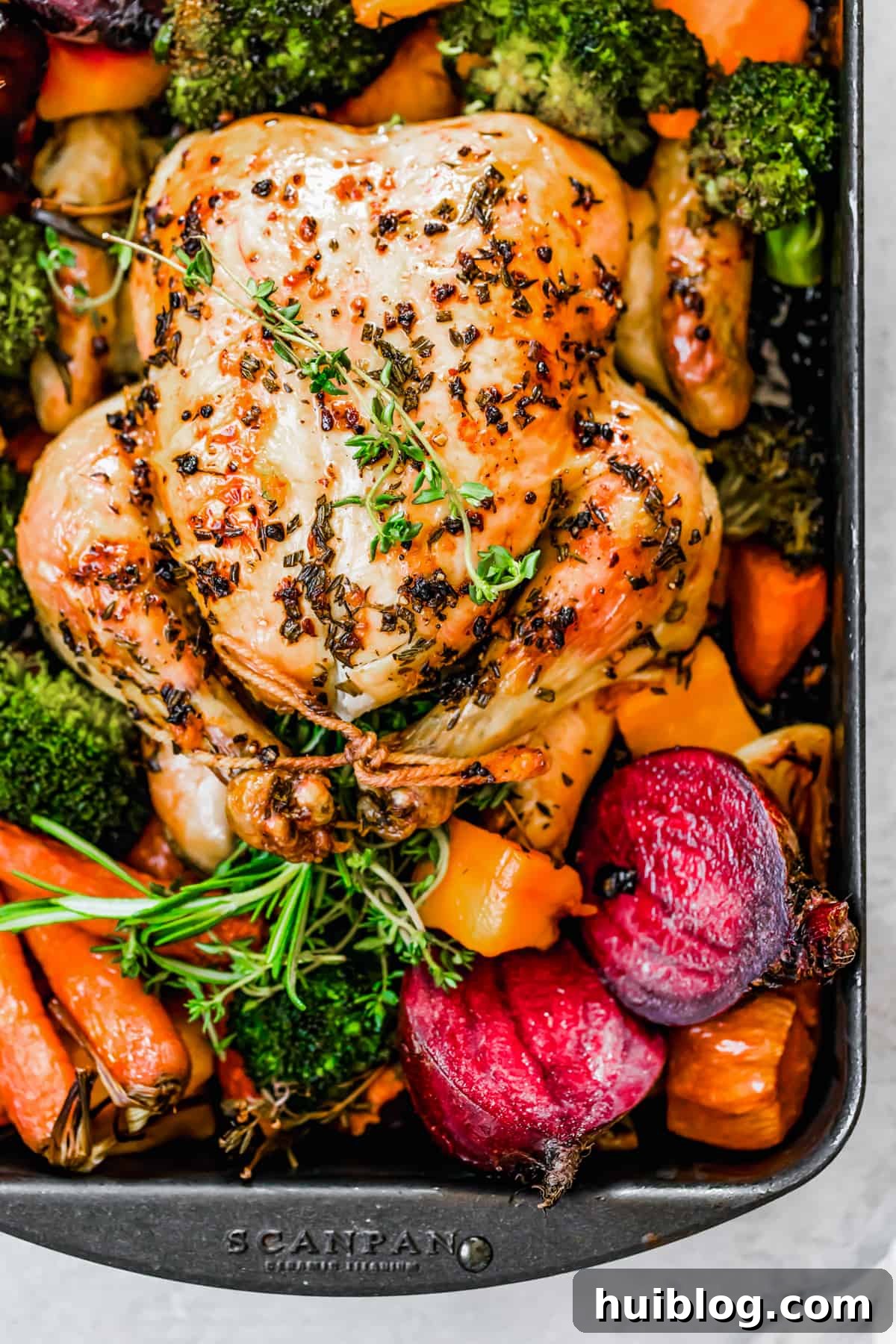
For many, the crispy skin is the highlight of a roast chicken, a textural delight that perfectly contrasts with the tender meat. To achieve this, it’s essential to roast the chicken uncovered for the majority of the cooking time, especially during that initial high-heat phase and the final 20 minutes. Air circulation is your friend here, allowing moisture to evaporate from the skin. However, if you notice your chicken browning too quickly, or if certain parts appear to be scorching, you can gently “tent” the bird with aluminum foil. When tenting, ensure the foil is loosely draped over the chicken, forming a small dome, rather than tightly sealed. This allows steam to escape while still protecting the skin from over-browning. Always remove the foil for the first high-heat roast and the final segment of cooking to ensure maximum crispiness is achieved.
The Importance of Resting Your Chicken
Once your chicken reaches the perfect internal temperature and boasts a glorious golden hue, the temptation to carve it immediately is strong. Resist! Allowing the roast chicken to rest, uncovered or loosely tented, for at least 10-15 minutes after it comes out of the oven is a non-negotiable step for a truly juicy result. During the cooking process, the muscle fibers contract, pushing the juices towards the center of the bird. Resting allows these juices to redistribute throughout the meat, reabsorbing into the fibers. Carving too soon will result in a flood of delicious juices on your cutting board, leaving you with drier meat. Patience, in this case, is richly rewarded with every succulent bite.
Perfect Pairings: Serving Suggestions for Your Roast
This Juicy Whole Roast Chicken with Fall Vegetables is a complete meal in itself, but a few thoughtful additions can truly elevate the dining experience. Consider these complementary ideas to round out your feast:
- Crisp Apple Cider: Embrace the autumn theme by pairing your roast with a delightful apple cider. Whether you prefer a sparkling non-alcoholic version, a refreshing hard cider, or a warm, spiced Slow Cooker Apple Cider Punch, the crisp, sweet-tart notes of apple beautifully complement the savory chicken and earthy vegetables.
- Artisan Bread or Rolls: A crusty loaf of homemade bread or warm dinner rolls is perfect for soaking up any delicious pan juices. A savory quick bread, such as a Spinach and Feta No-Yeast Bread, offers an extra layer of flavor. You can even slice and toast it for an incredible garlic bread addition.
- Creamy Mashed Potatoes: For an ultimate comfort food experience, serve alongside a generous scoop of creamy, buttery mashed potatoes. Their smooth texture and rich flavor provide a wonderful contrast to the roasted chicken and vegetables.
- Simple Green Salad: A light, fresh green salad with a vinaigrette dressing can offer a refreshing counterpoint to the richness of the roast, adding a bright, zesty element.
- A Decadent Apple Dessert: Continue the autumnal celebration with a classic apple dessert. A warm slice of Dutch Apple Slab Pie, with its sweet apples and crumbly topping, provides the perfect satisfying end to this hearty meal.
Storing and Reheating Leftovers: Maximizing Freshness
One of the joys of cooking a whole roast chicken is the delicious leftovers! Proper storage and reheating techniques are essential to maintain flavor and texture.
- For Refrigeration: Once cooled, remove all chicken meat from the bones. Store the deboned chicken, along with any leftover roasted vegetables and pan juices, in airtight containers in the refrigerator. Properly stored, these delightful leftovers will remain fresh and delicious for up to 2-3 days.
- For Reheating: To bring your leftovers back to life, preheat your oven to 350°F (175°C). Place the chicken pieces (skin-side up, if applicable) and vegetables in an ovenproof dish. Cover loosely with foil to prevent drying out, especially for the chicken. Heat until warmed through, typically 15-25 minutes, depending on the amount. Be careful not to overcook, as this can lead to dry chicken. A splash of chicken broth can also help retain moisture during reheating.
Freezing for Future Feasts: Meal Prep Made Easy
Absolutely! Freezing leftover roast chicken and vegetables is an excellent way to extend their shelf life and prepare for future quick meals. Proper freezing techniques ensure you can enjoy this delicious dish weeks later.
- Freezing Chicken: For best results, debone the chicken and shred or dice the meat. Combine the chicken meat with any remaining pan juices in high-quality freezer bags. Squeeze out as much air as possible before sealing to prevent freezer burn. If including a significant amount of liquid, remember to leave about an inch of headspace in the bag to account for expansion during freezing.
- Freezing Vegetables: Freeze the roasted vegetables separately from the chicken. They can be stored in freezer bags or sturdy airtight containers. While the flavor will remain, be aware that the texture of some vegetables, particularly those with higher water content, may become slightly softer after freezing and thawing.
- Shelf Life: Stored correctly, your frozen roast chicken and vegetables will maintain their quality for up to 1 month. When ready to use, thaw overnight in the refrigerator and reheat as directed above.
Roast Chicken with Fall Vegetables Recipe Card
A simple and savory recipe for roast chicken seasoned with olive oil, herbs, and garlic, and surrounded by colorful fall vegetables.
Prep Time: 15 minutes
Cook Time: 1 hour
Resting Time: 10 minutes
Total Time: 1 hour 30 minutes
Servings: 6
Ingredients
For The Chicken
- 1 (3 pound) whole chicken
- 1/2 lemon, quartered
- 2 sprigs fresh thyme
- 3 cloves garlic (2 whole, 1 minced)
- 2 sprigs fresh rosemary
- 3 tablespoons olive oil
- 1/2 teaspoon chopped fresh thyme
- 1/2 teaspoon chopped fresh rosemary
- 1/2 teaspoon salt
- 1/4 teaspoon cracked black pepper
For The Vegetables
- 3 baby beet roots, halved
- 1/2 pound butternut squash, peeled and cubed
- 1/2 pound baby carrots
- 1/2 pound sweet potato, peeled and cubed
- 1/2 pound broccoli florets
- 1 onion, quartered
- 2 tablespoons olive oil
- Juice of 1/2 a lemon
- 1/2 teaspoon salt
- 1/2 teaspoon cracked black pepper
- 3 sprigs fresh rosemary
Instructions
- Preheat oven to 450˚F (230°C).
- Using paper towels, pat the whole chicken dry.
- Place the lemon quarters, thyme sprigs, rosemary sprigs, and 2 whole garlic cloves in the chicken cavity.
- Tie the legs together with kitchen twine and tuck the wings under the chicken.
- In a small bowl, combine 3 tablespoons olive oil, 1/2 teaspoon chopped thyme, 1/2 teaspoon chopped rosemary, 1 minced garlic clove, 1/2 teaspoon salt, and 1/4 teaspoon pepper.
- Rub this oil mixture all over the chicken skin to coat evenly.
- Place the prepared chicken in a large roasting pan.
- In a large mixing bowl, combine all prepared vegetables except the broccoli florets (baby beets, butternut squash, baby carrots, sweet potato, onion).
- Add 2 tablespoons olive oil, the juice of 1/2 a lemon, 1/2 teaspoon salt, and 1/2 teaspoon pepper to the vegetables and mix until well combined.
- Arrange the seasoned vegetables in the roasting pan around the chicken.
- Top the vegetables with the 3 sprigs of rosemary and roast in the preheated 450˚F (230°C) oven for 12 minutes.
- Reduce oven temperature to 350˚F (175°C) and continue to roast for 45 minutes.
- Remove the pan from the oven, add the broccoli florets, and roast for a further 20 minutes, or until the chicken is golden brown, cooked through (internal temperature reaches 165˚F / 74°C), and vegetables are tender.
- Remove from oven and let the chicken rest for 10-15 minutes before carving to allow juices to redistribute.
Nutrition Information
Nutritional values are approximate and provided as a courtesy. Values may vary based on specific ingredients, portion sizes, and preparation methods. For precise details, please consult your preferred nutritional calculator.
- Calories: 437 kcal
- Carbohydrates: 23 g
- Protein: 23 g
- Fat: 28 g
- Saturated Fat: 6 g
- Cholesterol: 82 mg
- Sodium: 546 mg
- Potassium: 787 mg
- Fiber: 5 g
- Sugar: 7 g
- Vitamin A: 15025 IU
- Vitamin C: 55 mg
- Calcium: 86 mg
- Iron: 3 mg