
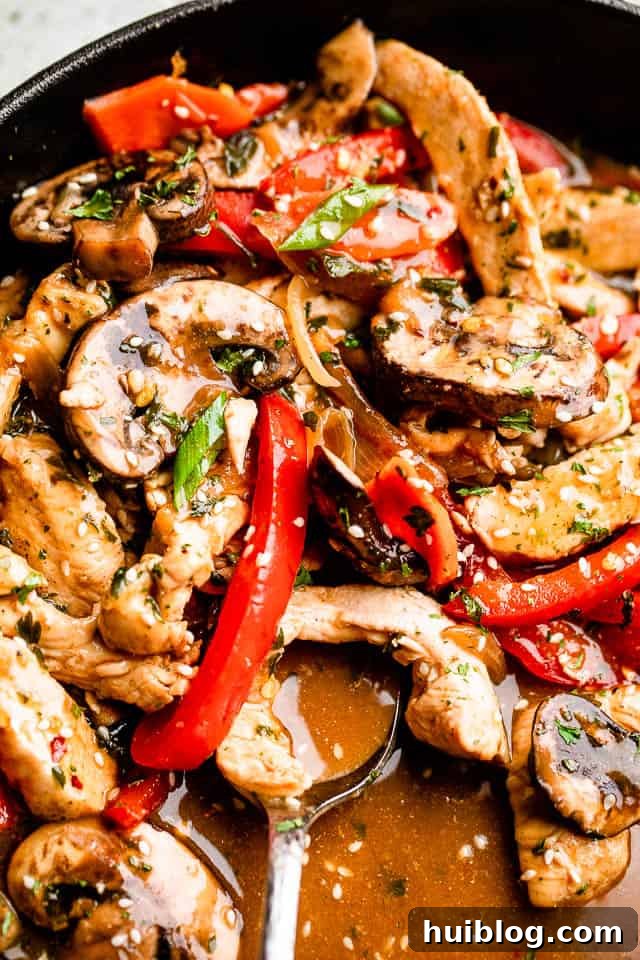
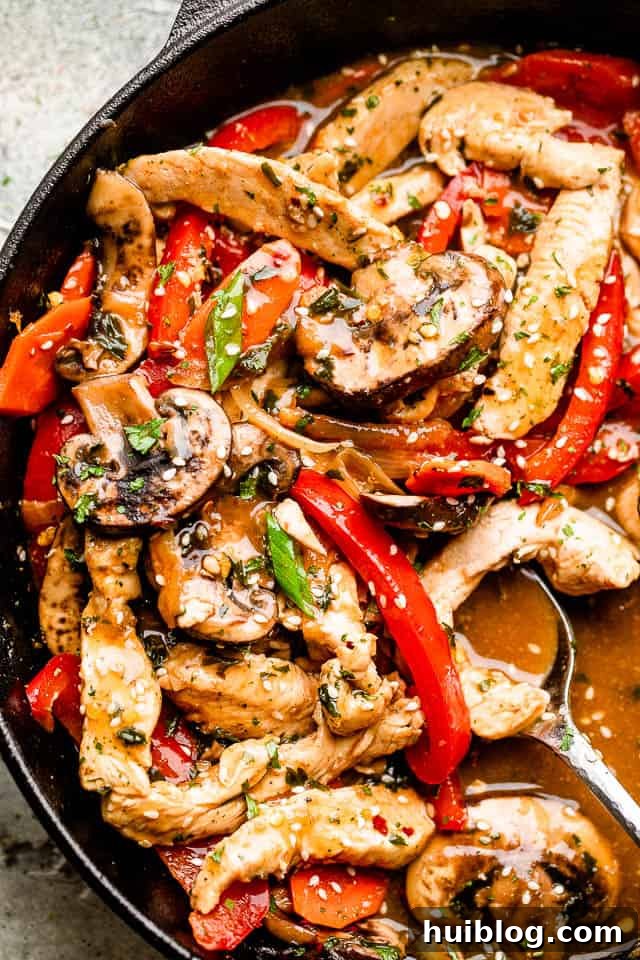
Craving a flavorful, satisfying meal that comes together in a flash? Look no further than this incredible Chicken Stir Fry recipe. Bursting with vibrant fresh vegetables and coated in a rich, aromatic garlic and ginger sauce, this dish is designed to impress and delight. Forget about expensive, greasy takeout; our homemade version delivers authentic Asian flavors directly to your table in under 25 minutes, making it the ultimate weeknight winner. Get ready to experience a stir fry so good, you’ll wonder why you ever ordered out!
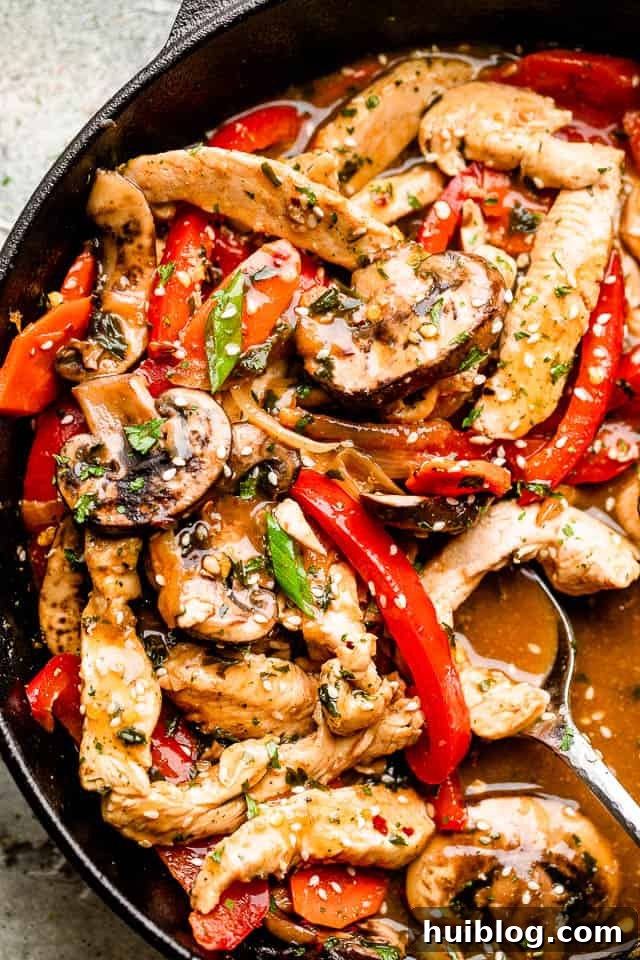
There’s a special kind of comfort that comes with Chinese takeout, isn’t there? The convenience, the distinctive flavors, the pure ease of it all. I’ll admit, I’m a huge fan – some might even call me a takeout enthusiast! However, those frequent orders can quickly add up, both on the wallet and sometimes on our health goals. But the craving for those savory, umami-rich Asian dishes is constant. That’s precisely why I embarked on a culinary quest to create my own signature, “better than takeout” Chicken Stir Fry recipe. This recipe isn’t just about replicating the taste; it’s about elevating it, making it fresher, healthier, and unbelievably simple to prepare in your own kitchen.
Why This Chicken Stir Fry Will Become Your New Favorite
This isn’t just another stir fry; it’s a culinary experience designed for maximum flavor and minimal fuss. Here’s why you’ll want to add this chicken stir fry to your regular meal rotation:
- Unbeatable Flavor, Better Than Takeout: This recipe truly hits the spot when those takeout cravings strike. We’re talking tender, perfectly cooked chicken, crisp-tender vegetables, all enveloped in a deeply savory, slightly sweet, and tangy sauce infused with the warm kick of fresh garlic and ginger. It’s so rich and satisfying, you won’t miss your usual order. Plus, you control the ingredients, ensuring a fresher, higher-quality meal every time.
- Incredibly Quick and Easy: Life gets busy, and weeknights demand meals that are both delicious and speedy. This chicken stir fry is a shining example. With just a little bit of prep, the actual cooking time is astonishingly fast – often less than 15 minutes! From chopping to serving, you can have a wholesome, flavorful dinner on the table in under 25 minutes, freeing up more time for yourself and your family.
- Packed with Nutritious Goodness: Featuring a generous medley of fresh vegetables, this stir fry is a fantastic way to boost your daily nutrient intake. The vibrant colors are a testament to the vitamins and minerals packed within. You get lean protein from the chicken, essential fibers from the veggies, and healthy fats from the cooking oil, making it a well-rounded and energizing meal.
- Budget-Friendly: Enjoying your favorite Asian-inspired dishes shouldn’t break the bank. Making chicken stir fry at home is significantly more economical than ordering delivery or dining out. You can buy ingredients in bulk, minimize waste, and stretch your dollar further, proving that gourmet flavors don’t require a gourmet price tag.
- Highly Customizable and Family-Friendly: This recipe is a fantastic way to encourage everyone, even the pickiest eaters, to enjoy more vegetables. The irresistible sauce does an excellent job of coating and enhancing the “fresh goodness,” often making kids forget they’re eating their greens! Beyond that, it’s wonderfully versatile. Easily swap vegetables based on what’s in season or what your family prefers, ensuring that dinner is always a hit.
Gather Your Ingredients: The Heart of Your Stir Fry
Creating an exceptional chicken stir fry is surprisingly simple, relying on fresh, high-quality ingredients. You’ll need tender chicken, a colorful assortment of chopped vegetables, and a robust homemade stir fry sauce. Precision in measurements is key for the sauce, so ensure you have everything ready. For exact quantities and detailed notes, please refer to the comprehensive recipe card below.
For the Stir Fry:
- Boneless, Skinless Chicken Breast: Opt for high-quality chicken. You can slice it thinly into strips for quick cooking or cube it into bite-sized pieces, depending on your preference. Thighs can also be used for extra tenderness.
- Vegetable Oil: A neutral oil with a high smoke point is essential for stir-frying. Canola, peanut, or grapeseed oil are excellent choices that won’t overpower the other flavors.
- Fresh Vegetables: Our chosen medley includes:
- Fresh Garlic: Minced for its pungent, aromatic base.
- Fresh Ginger: Grated or finely minced for a warm, zesty, and slightly spicy note.
- Yellow Onion: Thinly sliced, providing a sweet and savory foundation as it caramelizes.
- Carrots: Sliced into thin coins or julienned for a touch of sweetness and vibrant color.
- Red Bell Pepper: Thinly sliced into strips, offering a mild sweetness and beautiful crunch.
- Button Mushrooms: Sliced, adding an earthy, umami depth and a tender texture.
- Green Onions (Scallions): Sliced and reserved for garnish, providing a fresh, mild onion flavor and a pop of color.
- Toasted Sesame Seeds: An optional but highly recommended garnish. Toasting them gently enhances their nutty aroma and flavor, adding a delightful crunch.
- Red Pepper Flakes: For those who enjoy a hint of heat. Add them as a garnish or directly into the stir fry for a spicier kick.
For the Flavor-Packed Sauce:
- Soy Sauce (Low Sodium or Tamari): This is the backbone of our stir fry sauce. Using a low-sodium version or Tamari (for a gluten-free option) allows you to control the overall saltiness of the dish, preventing it from becoming overly salty.
- Cornstarch: The secret to a perfectly thickened, glossy stir fry sauce. It helps create that desirable silky coating on the chicken and vegetables.
- Light Brown Sugar: Balances the savory and salty notes with a touch of sweetness, providing a beautiful caramel undertone to the sauce. Honey or maple syrup can also be used.
- Sesame Oil: Aromatic and potent, a small amount of sesame oil adds a distinctive nutty, toasted flavor that is quintessential to Asian cuisine. Add it at the end to preserve its delicate flavor.
- Chicken Broth (Low Sodium): Forms the liquid base of the sauce. Like soy sauce, using low-sodium broth gives you better control over the final seasoning of your dish. Vegetable broth can be substituted.
Crafting Your Culinary Masterpiece: How to Make Easy Chicken Stir Fry
The magic of stir frying lies in its speed and efficiency. Follow these steps for a perfectly cooked, flavor-rich chicken stir fry:
- Step 1: The Art of Preparation (Mise en Place): This is arguably the most crucial step for any stir fry. Begin by cutting your boneless, skinless chicken breast into uniform cubes (about 1.5 inches) or thin, even strips. Next, meticulously prep all your vegetables: mince the garlic, grate the ginger, thinly slice the onion, carrots, and red bell pepper, and slice the mushrooms. Set aside the green onions, sesame seeds, and red pepper flakes for garnish.
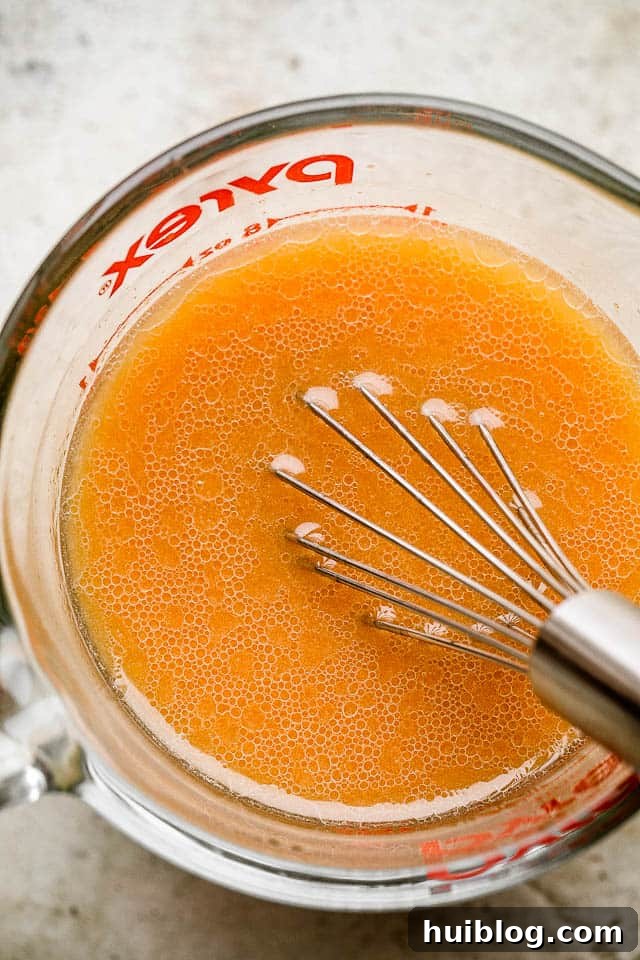
- Step 2: Whisking the Flavorful Sauce: In a small mixing bowl, combine the low-sodium soy sauce (or Tamari) and cornstarch. Whisk vigorously until the cornstarch is completely dissolved and no lumps remain. This slurry is essential for thickening the sauce. Then, whisk in the light brown sugar, aromatic sesame oil, and low-sodium chicken broth until everything is well integrated. Set this incredible sauce aside; it will be added at the very end.
- Step 3: Heating Your Wok (or Skillet): Add the vegetable oil to a wok or a large, heavy-bottomed nonstick skillet. Place the wok over high heat. The key to a successful stir fry is a very hot pan, so allow the oil to heat until it shimmers and just begins to smoke. This high heat ensures quick cooking and prevents ingredients from stewing.
- Step 4: Aromatic Beginnings: Once the oil is hot and shimmering, add the minced garlic and grated fresh ginger to the wok. Stir-fry constantly for about 10-15 seconds, just until they become fragrant. Be careful not to burn them, as burned garlic can turn bitter quickly. Immediately add the thinly sliced onion and continue to cook for 1-2 more minutes, stirring frequently, until the onion begins to soften and become translucent.
- Step 5: Cooking the Chicken to Perfection: Stir in your pre-cut chicken pieces. Spread the chicken evenly in the wok and cook for 2-3 minutes. Stir frequently, ensuring the chicken cooks on all sides and begins to turn white. It doesn’t need to be fully cooked through at this stage, as it will continue to cook with the vegetables and sauce.
- Step 6: Adding the Vibrant Veggies: Now, add the remaining prepared vegetables: sliced carrots, red bell pepper strips, and button mushrooms. Continue to stir-fry for an additional 2-3 minutes. You want the vegetables to be crisp-tender, retaining a slight bite, rather than becoming soft or soggy.
- Step 7: The Grand Finale – Sauce and Simmer: Give your prepared sauce another quick stir (cornstarch tends to settle) and then pour it evenly over the chicken and vegetables in the wok. Continue to cook for an additional 3 to 4 minutes, stirring very frequently. As the sauce heats, the cornstarch will activate, causing it to thicken beautifully, coating every piece of chicken and vegetable in a glossy, flavorful glaze. Ensure the chicken is fully cooked through and the vegetables are tender-crisp.
- Step 8: Garnish and Serve: Remove the wok from the heat immediately to prevent overcooking. Transfer your delicious chicken stir fry to serving plates. Generously garnish with freshly sliced green onions, a sprinkle of toasted sesame seeds, and a dash of red pepper flakes for an extra pop of color and subtle heat. Serve hot, preferably over a bed of fluffy rice or your chosen accompaniment. Enjoy your homemade, better-than-takeout meal!
Mastering Your Stir Fry: Expert Tips for Success
To ensure your homemade chicken stir fry consistently rivals (and surpasses!) your favorite takeout, keep these essential tips in mind:
- Uniformity is Key: The “size matters” principle applies strongly here. Chop all your vegetables and chicken into similar, manageable sizes. This ensures everything cooks evenly and at the same rate, preventing some ingredients from being overcooked while others are still raw. Aim for bite-sized pieces that can be easily picked up with chopsticks or a fork.
- Don’t Skip the Prep Work (Mise en Place): Stir frying is a rapid cooking method. Once you start, things move incredibly fast. Having all your ingredients prepped, chopped, and measured before you even turn on the heat is non-negotiable. This includes mixing your sauce ahead of time! If you try to mix the sauce while your ingredients are sizzling, you risk burning them. Think of it like an assembly line; everything should be within arm’s reach.
- High Heat is Your Friend: A true stir fry requires high heat. Ensure your wok or skillet is piping hot before adding any oil or ingredients. This allows the food to sear quickly, locking in juices and flavors, and creating those desirable caramelized edges. If your pan isn’t hot enough, the ingredients will steam and become soggy instead of crisp-tender.
- Avoid Overcrowding the Pan: This is a common mistake that leads to steamed, rather than stir-fried, ingredients. Cook your chicken in batches if necessary, and add vegetables in stages. Leaving enough space in the pan allows for direct contact with the hot surface, promoting proper browning and crispness.
- Mind Your Sodium: Using low sodium soy sauce and low sodium chicken broth is a game-changer. It gives you precise control over the overall saltiness of your dish. If you use regular sodium versions, your stir fry can quickly become overly salty, masking the delicate balance of other flavors. Taste and adjust seasoning at the very end if needed.
- Fresh is Best (But Frozen Can Work): While fresh garlic and ginger offer the most vibrant flavor, pre-minced versions can work in a pinch for convenience. Similarly, fresh vegetables are ideal for texture, but frozen stir-fry mixes can be a good alternative if thawed and drained thoroughly to avoid excess water.
Endless Possibilities: Customizing Your Chicken Stir Fry
One of the most delightful aspects of this chicken stir fry recipe is its incredible versatility. It’s a fantastic canvas for creativity, allowing you to easily swap ingredients based on what you have on hand, what’s in season, or simply what you’re craving. Make it your own with these delicious variation ideas:
- Expand Your Veggie Horizon: While our core recipe uses a classic mix, feel free to add or substitute with other delicious vegetables. I often toss in baby corn on the cob or crunchy water chestnuts from the pantry. Other fantastic additions include chopped kale, nutrient-rich bok choy, vibrant broccoli florets, snappy snow peas, crisp asparagus spears, or even thinly sliced zucchini. The key is to ensure all veggies are cut to a similar size for even cooking.
- Amp Up the Spice: If you’re a fan of heat, there are many ways to introduce a fiery kick. A pinch of extra red pepper flakes is the simplest option. For a deeper, more complex heat, consider adding thinly sliced fresh jalapeños or serrano peppers along with the garlic and ginger. A dash of sriracha or chili garlic sauce in the stir fry sauce can also create a wonderful warmth.
- Sauce Swaps for Different Flavors: The sauce is highly adaptable! Instead of a soy sauce base, you could opt for a rich Teriyaki sauce for a sweeter, thicker glaze. For a brighter, more citrusy profile, swap a portion of the brown sugar for honey and a splash of orange juice. Oyster sauce can add an extra layer of umami depth. Experiment to find your perfect flavor balance!
- Protein Power-Ups: While chicken is our star, this recipe works beautifully with other proteins. Consider succulent shrimp for a quick-cooking seafood option, thinly sliced steak (flank or sirloin work well) for a heartier meal, or even firm tofu or tempeh for a delicious vegetarian or vegan alternative. Ensure you adjust cooking times accordingly for different proteins.
- Nutty Additions: For extra texture and flavor, try adding a handful of chopped cashews or peanuts during the last minute of cooking, or sprinkle them on top as a garnish. Their crunch complements the tender chicken and vegetables perfectly.
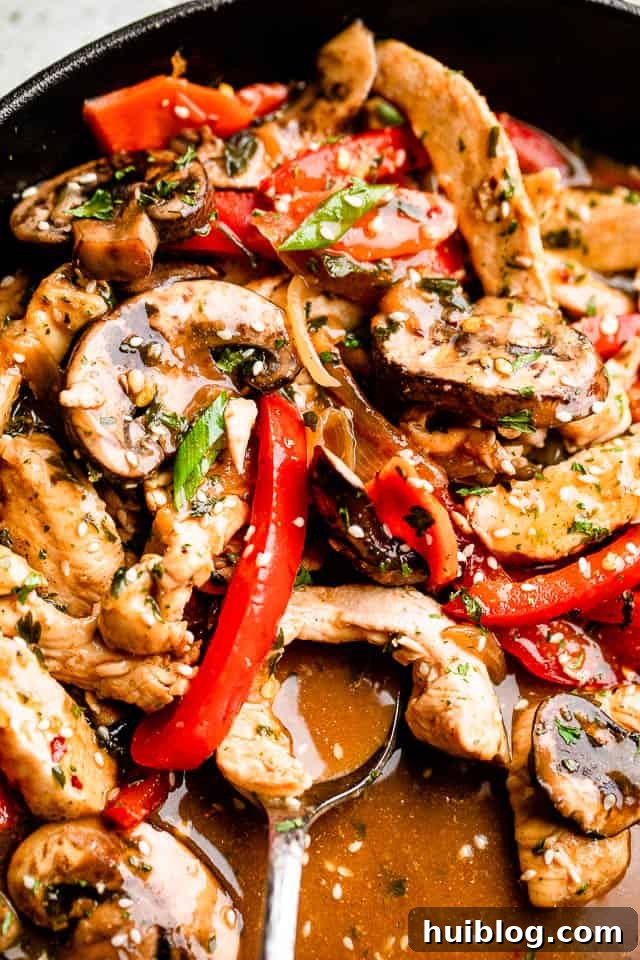
Completing Your Meal: What to Serve With Stir Fry Chicken
A well-balanced stir fry is often defined by what accompanies it. This easy chicken stir fry pairs wonderfully with a variety of sides, creating a truly satisfying and complete meal:
- Classic Rice: The most popular choice, and for good reason. Fluffy rice beautifully soaks up all that incredible stir fry sauce. I personally love Basmati rice for its fragrant aroma and distinct grains, but short-grain white rice or wholesome brown rice are equally excellent choices. For a truly elevated experience, you can even whip up a batch of homemade fried rice to serve alongside your stir fry – a match made in heaven!
- Low-Carb Alternatives: If you’re counting carbs or prefer lighter options, riced cauliflower is a fantastic substitute for traditional rice. Its neutral flavor and texture work surprisingly well with stir fry. Quinoa is another excellent high-protein, low-carb grain that pairs beautifully.
- Noodle Sensations: For a delightful textural change, serve your stir fry over tender rice noodles. Their delicate nature absorbs the sauce perfectly. Alternatively, for an ultra-light and veggie-packed option, try serving it over “zoodles” (spiralized zucchini noodles) or even spaghetti squash. These options increase your vegetable intake while keeping the meal light and fresh.
- Crisp Sides: To add even more fresh vegetable power and a refreshing contrast, consider serving a simple side salad with a light sesame-ginger vinaigrette. For a truly authentic touch, you can’t beat homemade spring rolls or even store-bought egg rolls on the side!
Keeping It Fresh: Storing and Reheating Your Delicious Leftovers
One of the best things about stir fry is that it often tastes even better the next day as the flavors meld. Proper storage and reheating will ensure you enjoy every last bite:
- Storing in the Fridge: Allow your leftover stir fry chicken to cool completely before transferring it to an airtight container. This is crucial to prevent moisture buildup and inhibit bacterial growth. Store it in the refrigerator for approximately 3-5 days.
- Freezing for Later: If you’re planning to enjoy your stir fry at a later date, freezing is an excellent option. Once the stir fry has cooled to room temperature, transfer it, sauce and all, into a freezer-safe zip-top bag or an airtight container. Squeeze out as much air as possible before sealing. Label with the date and store in your freezer for up to 3 months. For best results, thaw overnight in the refrigerator before reheating.
- Reheating for Optimal Enjoyment: Reheating stir fry is straightforward, though be aware that your vegetables might lose a bit of their original crispness. The best method is to reheat it in a wok or a large pan over low to medium heat on the stovetop. Stir frequently to ensure even heating. If the sauce has thickened too much during storage, you may need to add a splash of water or chicken broth to thin it out to your desired consistency. Avoid microwaving if possible, as it can make the chicken rubbery and the vegetables mushy.
Frequently Asked Questions (FAQs) About Chicken Stir Fry
Here are answers to some common questions you might have about making the perfect chicken stir fry:
- What kind of chicken is best for stir fry? Boneless, skinless chicken breast or thighs are both excellent choices. Breast meat cooks very quickly and is lean, while thigh meat is more forgiving and tends to stay juicier. Slice them against the grain for maximum tenderness.
- Can I use frozen vegetables in stir fry? Yes, you can! For best results, thaw frozen vegetables completely and pat them very dry before adding them to the wok. This prevents them from releasing too much water and steaming your stir fry. Add them closer to the end of the cooking process as they cook faster than fresh.
- How do I prevent my stir fry from getting soggy? The key is high heat, not overcrowding the pan, and cooking ingredients in stages if necessary. A very hot wok or skillet quickly sears the ingredients, retaining their crisp texture. If you overload the pan, the temperature drops, and the food steams instead of stir-frying.
- Is stir fry healthy? Absolutely! When made at home, stir fry is incredibly healthy. It’s packed with lean protein and a wide array of fresh vegetables, offering essential vitamins and fiber. You also control the amount of oil and sugar in the sauce, allowing you to tailor it to your dietary needs.
- Can I make this recipe gluten-free? Yes, easily! Simply substitute regular soy sauce with Tamari (which is naturally gluten-free) and ensure your chicken broth is also gluten-free. All other ingredients are typically naturally gluten-free.
Discover More Delicious Easy Chicken Recipes
If you loved this quick and flavorful chicken stir fry, you’re in for a treat! Here are more fantastic chicken recipes that are perfect for any weeknight:
- Chicken Bacon Ranch Sliders: A crowd-pleasing appetizer or light meal, bursting with savory flavors.
- Chicken Fajita Pasta: The vibrant flavors of fajitas combined with comforting pasta for a unique fusion dish.
- One Pot Creamed Spinach Chicken: A deliciously creamy and incredibly simple one-pot meal that’s big on flavor and minimal on cleanup.
Print Recipe
Better Than Takeout Chicken Stir Fry
Katerina | Easy Weeknight Recipes
10 minutes
15 minutes
4
Ingredients
For the Sauce
- 3 tablespoons low sodium soy sauce or Tamari sauce
- 2 teaspoons cornstarch
- 1 tablespoon light brown sugar
- 1 teaspoon sesame oil
- ¾ cup low sodium chicken broth
For the Stir Fry
- 10 to 12 ounces boneless skinless chicken breast, thinly cut into strips OR cut into about 1.5-inch cubes
- 2 tablespoons vegetable oil
- 3 cloves garlic, minced
- ½ teaspoon grated fresh ginger
- 1 small yellow onion, thinly sliced
- 1 large carrot, thinly sliced into coins
- 1 small red bell pepper, thinly sliced into strips
- 4 ounces sliced button mushrooms
- Green onion, for garnish
- Toasted sesame seeds, for garnish
- Red pepper flakes, for garnish
Instructions
-
In a mixing bowl, combine soy sauce and cornstarch; whisk until completely incorporated.
-
Whisk in brown sugar, sesame oil, and chicken broth; set aside.
-
Prepare chicken by cutting it into small cubes or long thin strips; set aside.
-
Add vegetable oil to a wok or use a large nonstick skillet; set wok over high heat.
-
Once oil is hot, add garlic and ginger; stir and cook for 10-15 seconds until fragrant.
-
Add onion and continue to cook for 1-2 more minutes, stirring frequently, just until onion softens.
-
Stir in the chicken and cook for 2 to 3 minutes, or until chicken is white; stir frequently.
-
Add in prepared carrots, peppers, and mushrooms; continue to cook for 2 minutes, maintaining a crisp-tender texture.
-
Stir the sauce that you prepared earlier, and then add it to the wok; cook for an additional 3 to 4 minutes, stirring very frequently, until sauce has thickened, veggies are crisp-tender, and chicken is cooked through.
-
Remove from heat.
-
Garnish with green onions, sesame seeds, and pepper flakes.
-
Serve hot over rice or your chosen accompaniment.
Nutrition
Calories:
208kcal
|
Carbohydrates:
12g
|
Protein:
18g
|
Fat:
10g
|
Saturated Fat:
6g
|
Cholesterol:
45mg
|
Sodium:
512mg
|
Potassium:
543mg
|
Fiber:
2g
|
Sugar:
6g
|
Vitamin A:
3608IU
|
Vitamin C:
28mg
|
Calcium:
18mg
|
Iron:
1mg
Nutritional info is an estimate and provided as courtesy. Values may vary according to the ingredients and tools used. Please use your preferred nutritional calculator for more detailed info.