
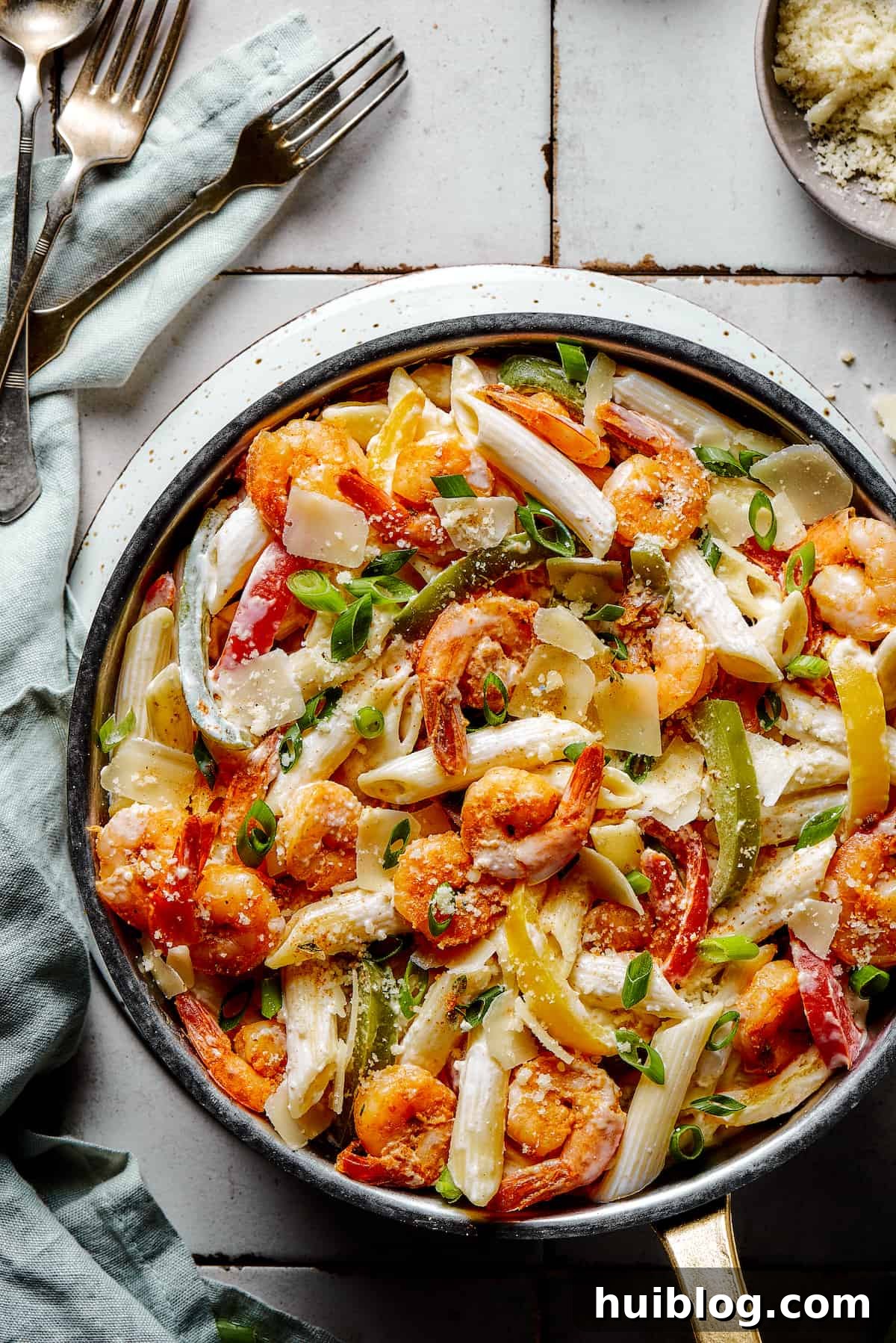
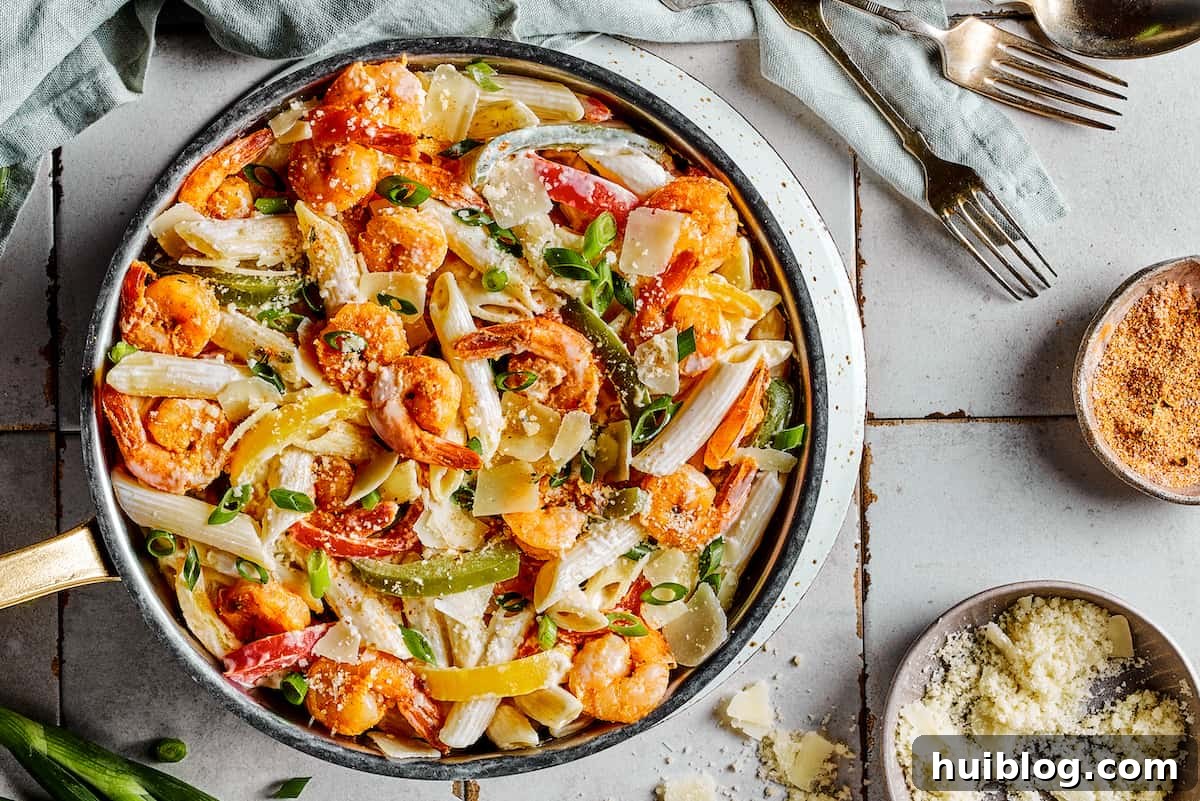
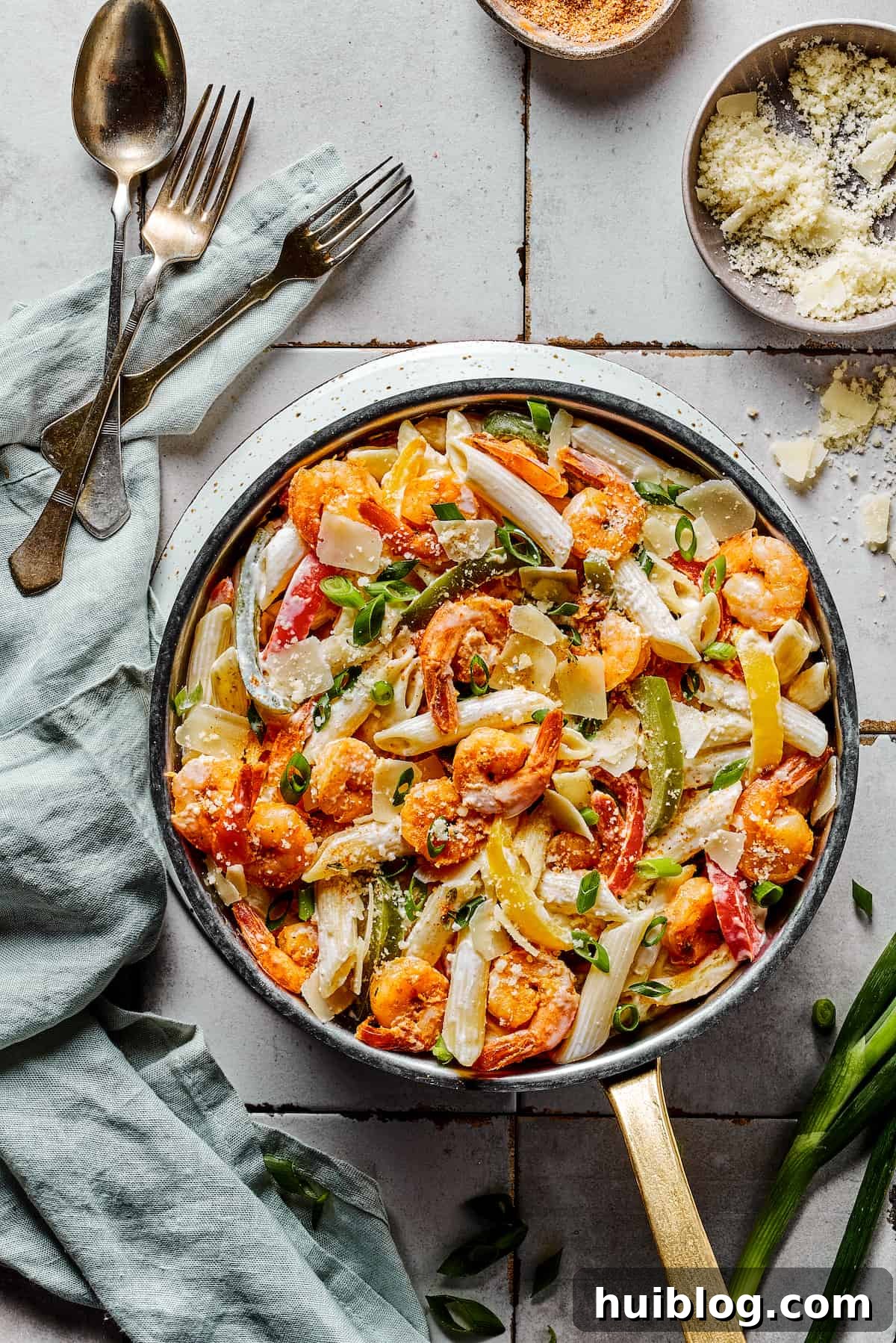
Craving a sensational weeknight meal that tantalizes your taste buds? Look no further than this incredibly creamy Rasta Pasta! Infused with a vibrant blend of Jamaican spices, succulent sweet shrimp, and a medley of colorful bell peppers, this dish is a feast for both the eyes and the palate. The rich, cheesy sauce perfectly complements the subtle heat and aromatic flavors, creating a dinner that the entire family will eagerly devour. Get ready to experience a dish that brings a burst of Caribbean sunshine right to your kitchen table.
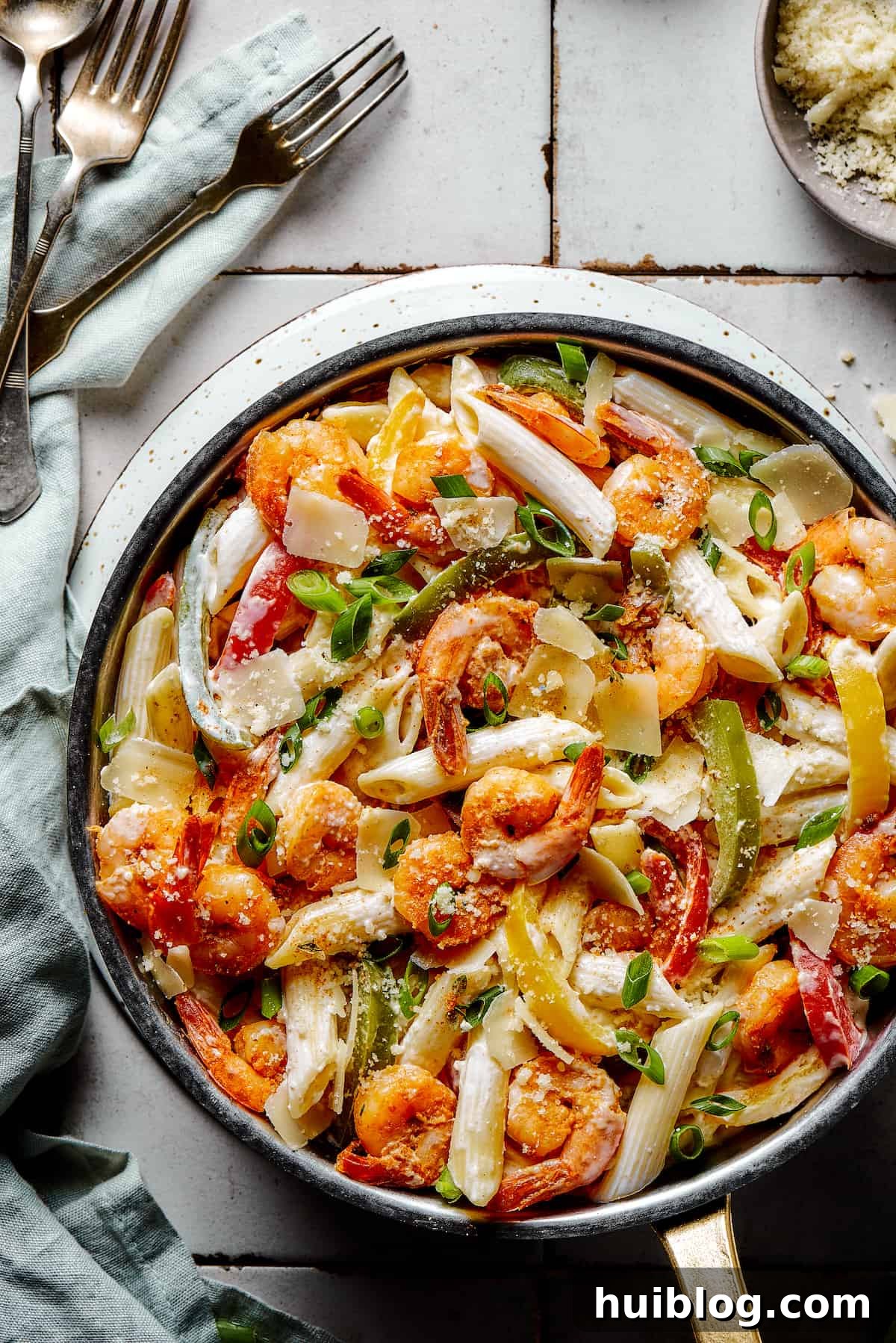
Discover the Vibrant Flavors of Rasta Pasta
There’s something truly satisfying about a meal that brings together all your favorite elements into one delightful dish. Whether it’s a quick one-pot dinner or a hearty skillet creation, meals that combine protein, fresh vegetables, and satisfying carbs are always a winner. This Rasta Pasta recipe takes that convenience and elevates it with an exotic twist, making it a standout weeknight option.
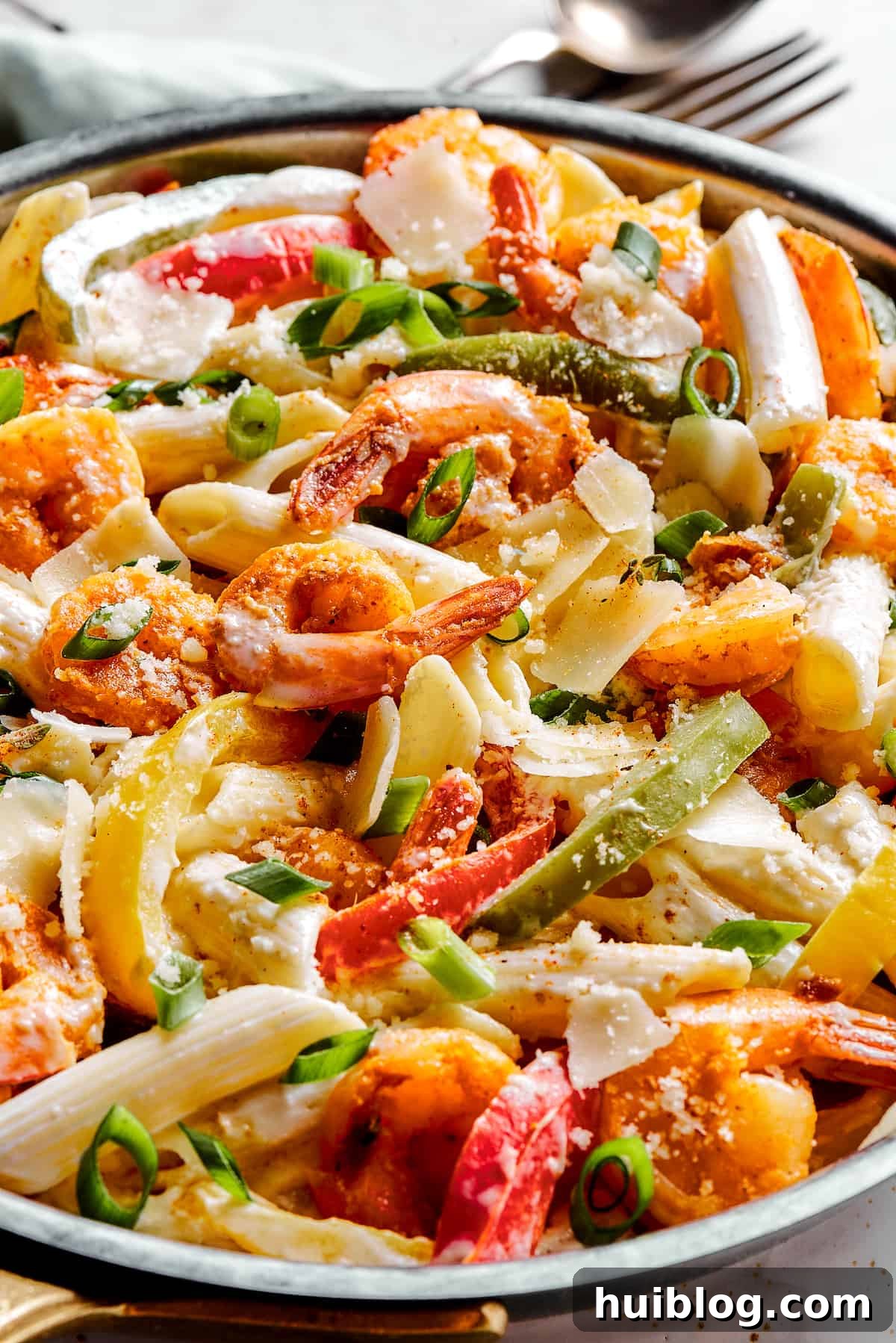
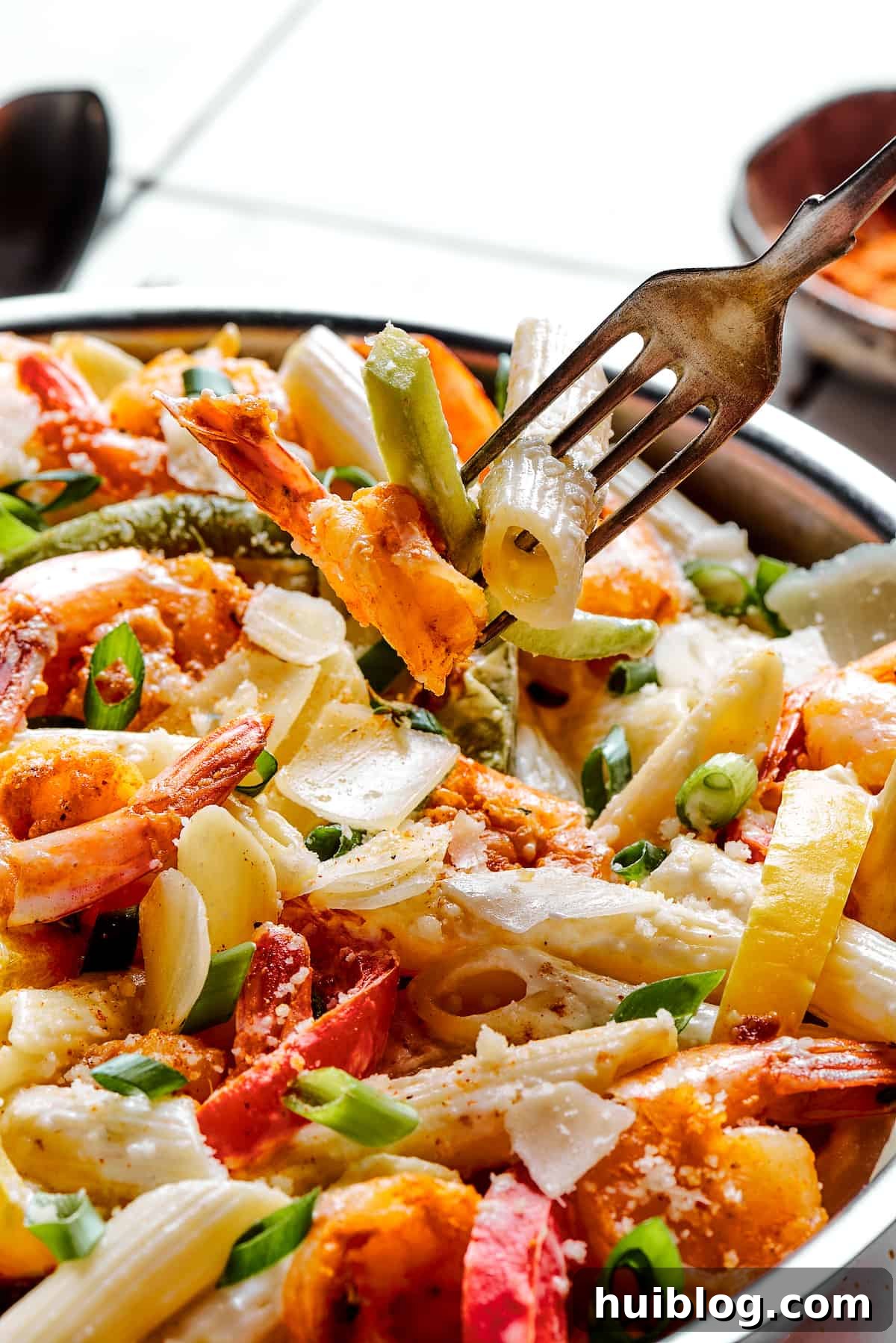
Unlike a traditional Alfredo, Rasta Pasta introduces a captivating blend of savory and subtly sweet Jamaican spices, transforming a classic creamy pasta into an unforgettable culinary journey. Imagine a rich, milky Parmesan cheese sauce generously coating tender penne pasta, plump shrimp, and crisp-tender bell peppers. The secret lies in a fragrant spice mixture that delivers warmth and depth. A touch of cayenne pepper provides a gentle, building heat, while fresh thyme and cream cheese add an earthy aroma and a delightful tangy creaminess that balances the spice beautifully. This harmonious blend of flavors and textures ensures every bite is an experience worth savoring.
If your stomach is rumbling just reading this, you’re in good company! Let’s dive into creating this spectacular Jamaican-inspired creamy pasta.
The Origins: A Taste of Jamaican Culture
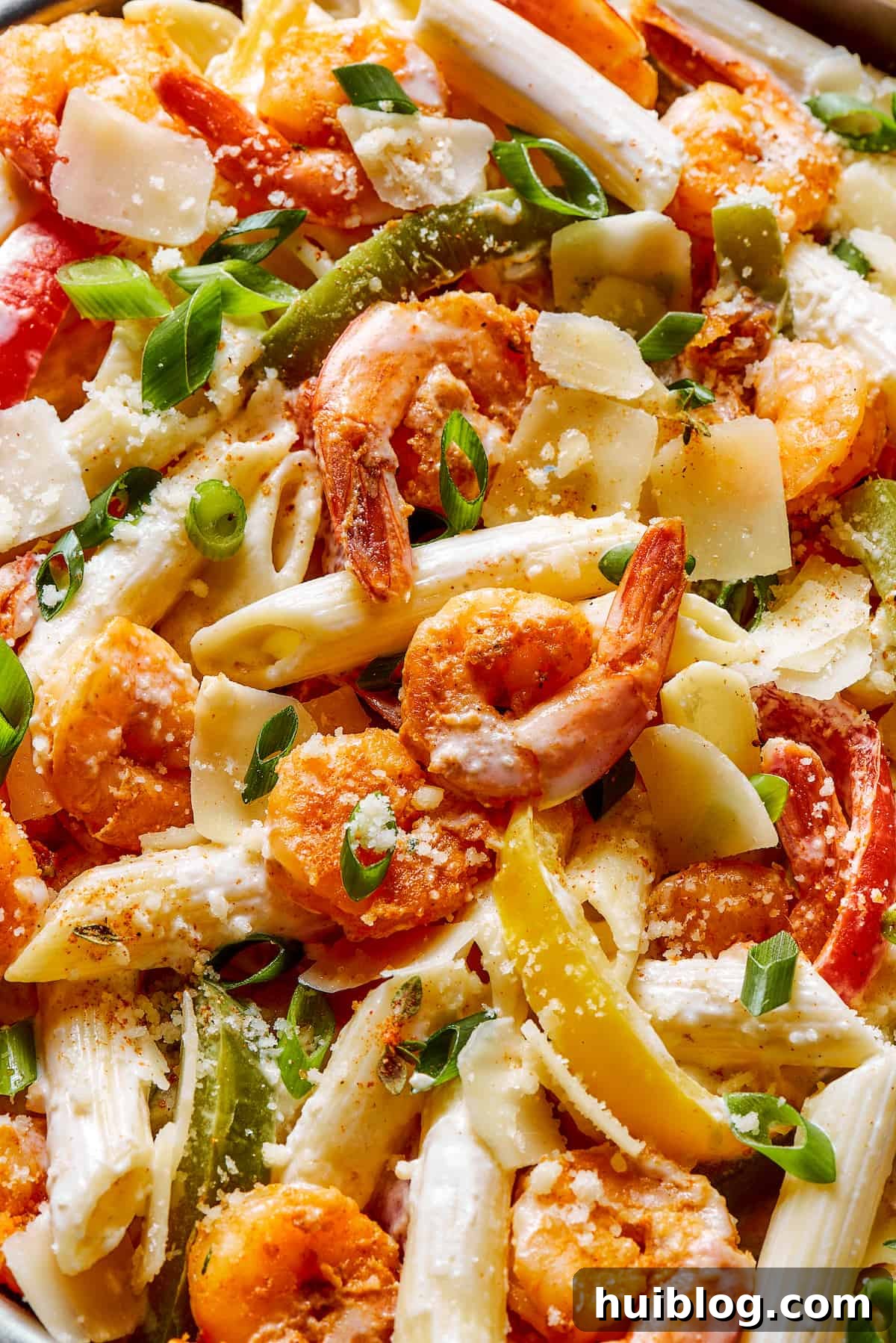
The intriguing name “Rasta Pasta” primarily stems from the colorful array of bell peppers used in the dish. Red, yellow, and green bell peppers are not just visually appealing; they hold significant cultural importance, mirroring the prominent colors in the Rastafarian religion. According to popular lore, this vibrant dish first emerged in the 1980s. When presented to a group of diners, the striking colors prompted someone to jokingly suggest the name “Rasta Pasta,” and it quickly caught on. From that moment, Rasta Pasta began its journey to becoming one of Jamaica’s most beloved and celebrated casual dishes. It embodies the spirit of Caribbean cuisine – fresh, flavorful, and full of character – making it a symbol of culinary creativity and cultural pride.
Essential Ingredients for Authentic Rasta Pasta
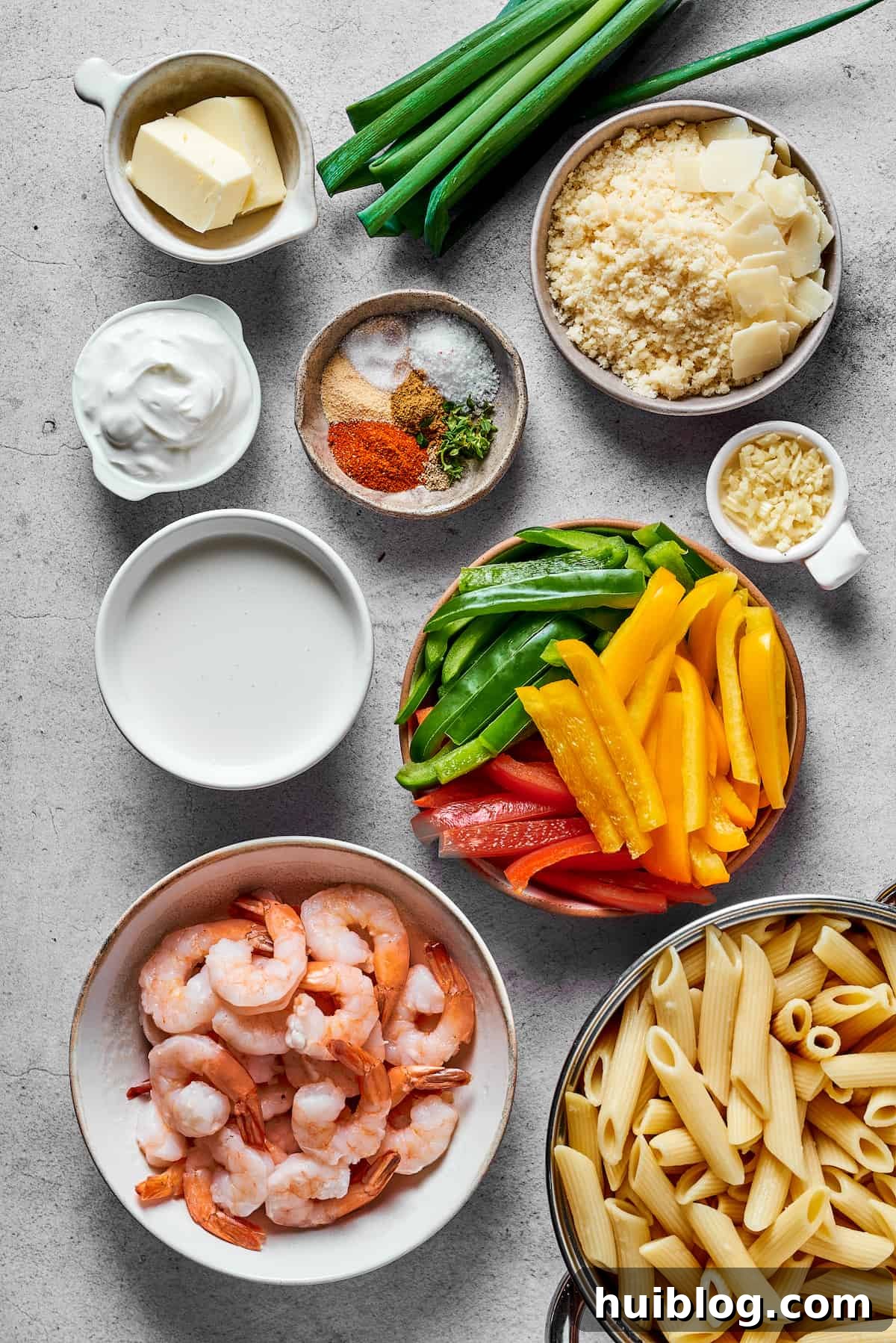
The magic of Rasta Pasta lies in its carefully selected ingredients, each contributing to its unique and incredibly flavorful profile. If you’re a fan of bold, creamy dishes like Creole Blackened Chicken Pasta, you’re going to adore this Jamaican-inspired rendition. Here’s a breakdown of what you’ll need to create this culinary masterpiece and why each component is crucial:
- Pasta: We recommend 1 pound of penne pasta, cooked al dente. Penne’s tubular shape is perfect for holding onto the rich, creamy sauce, ensuring every forkful is packed with flavor.
- Shrimp: You’ll need ½ pound of fresh shrimp, peeled and deveined. Shrimp adds a delicate sweetness and tender texture that beautifully contrasts with the spicy sauce. If using frozen shrimp, ensure it’s raw, peeled, and deveined, and thaw it thoroughly in the refrigerator before use.
- Jamaican Spice Blend: This is where the dish gets its distinctive character. A medley of cinnamon, nutmeg, cumin, garlic powder, and a good kick of ground cayenne pepper infuses both the shrimp and the sauce with savory warmth and spicy goodness. These spices evoke the flavors of traditional Jamaican jerk seasoning without being overly complex.
- A Touch of Sweetness: Just a small amount of granulated sugar helps to perfectly balance the aromatic spices and tangy dairy, enhancing the overall flavor profile.
- Fresh Thyme: 1 teaspoon of fresh thyme provides an earthy, herbaceous note that brightens the dish. If fresh isn’t available, use about half the amount of dried thyme, as dried herbs are typically more concentrated.
- Seasonings: Essential salt and freshly ground black pepper, adjusted to your taste, bring all the flavors into harmony.
- Butter: 2 tablespoons of butter, divided, are used for sautéing the shrimp and vegetables, providing a rich base for the sauce.
- Aromatics: 2 cloves of minced fresh garlic add a pungent, irresistible aroma and depth to the dish.
- Colorful Bell Peppers: One each of red, yellow, and green bell peppers, thinly sliced. These are the “Rasta” in Rasta Pasta, offering not only vibrant color but also a sweet, crisp-tender texture and essential vitamins.
- Rich Dairy Base:
- 1 cup of heavy cream forms the luxurious foundation of the sauce, providing incredible richness without the need for a roux.
- ½ cup of softened cream cheese contributes a delightful tang and helps to create an incredibly smooth, velvety texture.
- ½ cup of grated Parmesan cheese (plus extra for garnish) adds a savory, umami depth and a classic Alfredo-like flavor to the creamy sauce.
- Garnish: 1 to 2 green onions, sliced, or a sprinkle of fresh parsley, adds a final touch of freshness and visual appeal.
Fresh vs. Frozen Shrimp: Making the Best Choice
When it comes to shrimp, both fresh and frozen options can yield fantastic results in Rasta Pasta. In many cases, high-quality frozen shrimp can even surpass the freshness of shrimp that has been sitting defrosted in a grocery store display case all day. If you opt for frozen shrimp, ensure they are raw, peeled, and deveined for convenience. The key is proper thawing: always transfer them from the freezer to your refrigerator a few hours or overnight before you plan to cook. Once thawed, drain any excess liquid thoroughly before marinating and cooking to prevent a watery sauce and ensure the best texture.
Mastering the Rasta Pasta Recipe: Step-by-Step Guide
One of the best things about Rasta Pasta is how quickly it comes together, especially as a skillet meal. From start to finish, you’ll only need about 30 minutes, making it an ideal choice for busy weeknights. Remember to get your pasta cooking while you prepare the sauce to optimize your time!
Prep Time: 10 minutes | Cook Time: 18 minutes | Total Time: 28 minutes | Servings: 4
Ingredients:
- 1 pound penne pasta, cooked al dente
- ½ pound fresh shrimp, peeled and deveined
- 1 teaspoon garlic powder
- ½ teaspoon cayenne pepper
- ⅛ teaspoon ground cinnamon
- ⅛ teaspoon ground nutmeg
- ½ teaspoon ground cumin
- 1 teaspoon granulated sugar
- 1 teaspoon fresh thyme
- Salt and freshly ground black pepper, to taste
- 2 tablespoons unsalted butter, divided
- 2 cloves garlic, minced
- 1 red bell pepper, thinly sliced
- 1 yellow bell pepper, thinly sliced
- 1 green bell pepper, thinly sliced
- 1 cup heavy cream
- ½ cup cream cheese, softened
- ½ cup grated Parmesan cheese, plus 2 tablespoons for garnish
- 1 to 2 green onions, sliced, for garnish
Instructions:
- Marinate the Shrimp: In a medium mixing bowl, combine the peeled and deveined shrimp with the garlic powder, cayenne pepper, cinnamon, nutmeg, cumin, sugar, fresh thyme, salt, and pepper. Toss gently to ensure the shrimp are evenly coated with the spices. Let them marinate at room temperature for about 10 minutes. While the shrimp marinates, start cooking your penne pasta according to package directions until it’s al dente. Drain well and set aside.
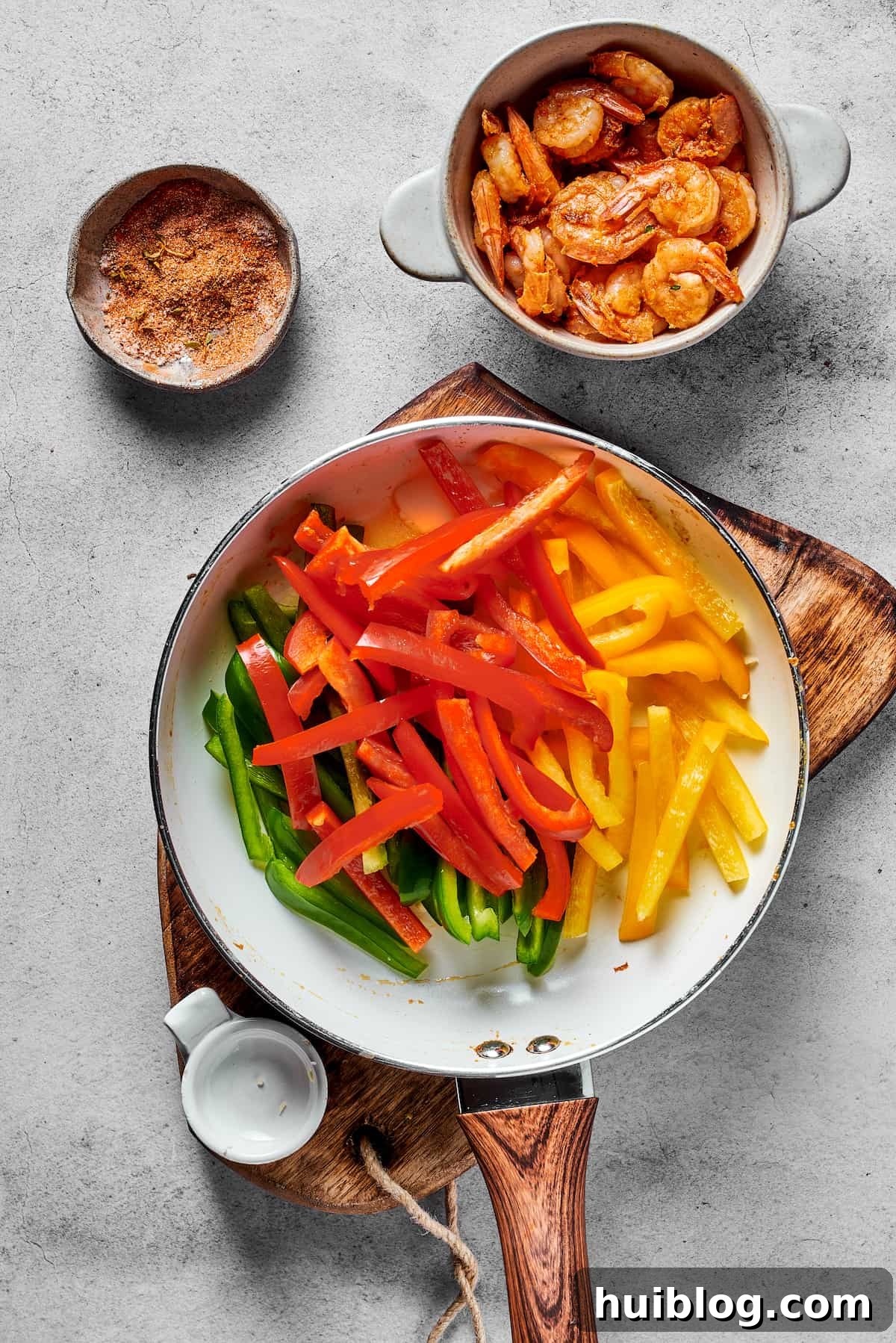
- Sear the Shrimp: Heat 1 tablespoon of butter in a large skillet (preferably non-stick or cast iron) over medium-high heat. Once the butter is melted and shimmering, add the marinated shrimp in a single layer. Cook for just 1 to 2 minutes per side, or until the shrimp turn pink and opaque. It’s crucial not to overcook them, as this can make them tough and rubbery. Once cooked, transfer the shrimp to a clean bowl and set aside.
- Sauté the Vegetables: Using the same skillet (there’s no need to wipe it clean; the leftover flavors add to the sauce!), melt the remaining 1 tablespoon of butter over medium-low heat. Add the minced garlic and cook for about 30 seconds, stirring constantly, until it becomes wonderfully fragrant. Be careful not to burn the garlic. Next, stir in the thinly sliced red, yellow, and green bell peppers. Increase the heat to medium-high and sauté for approximately 5 minutes, or until the peppers are crisp-tender but still retain a slight bite.
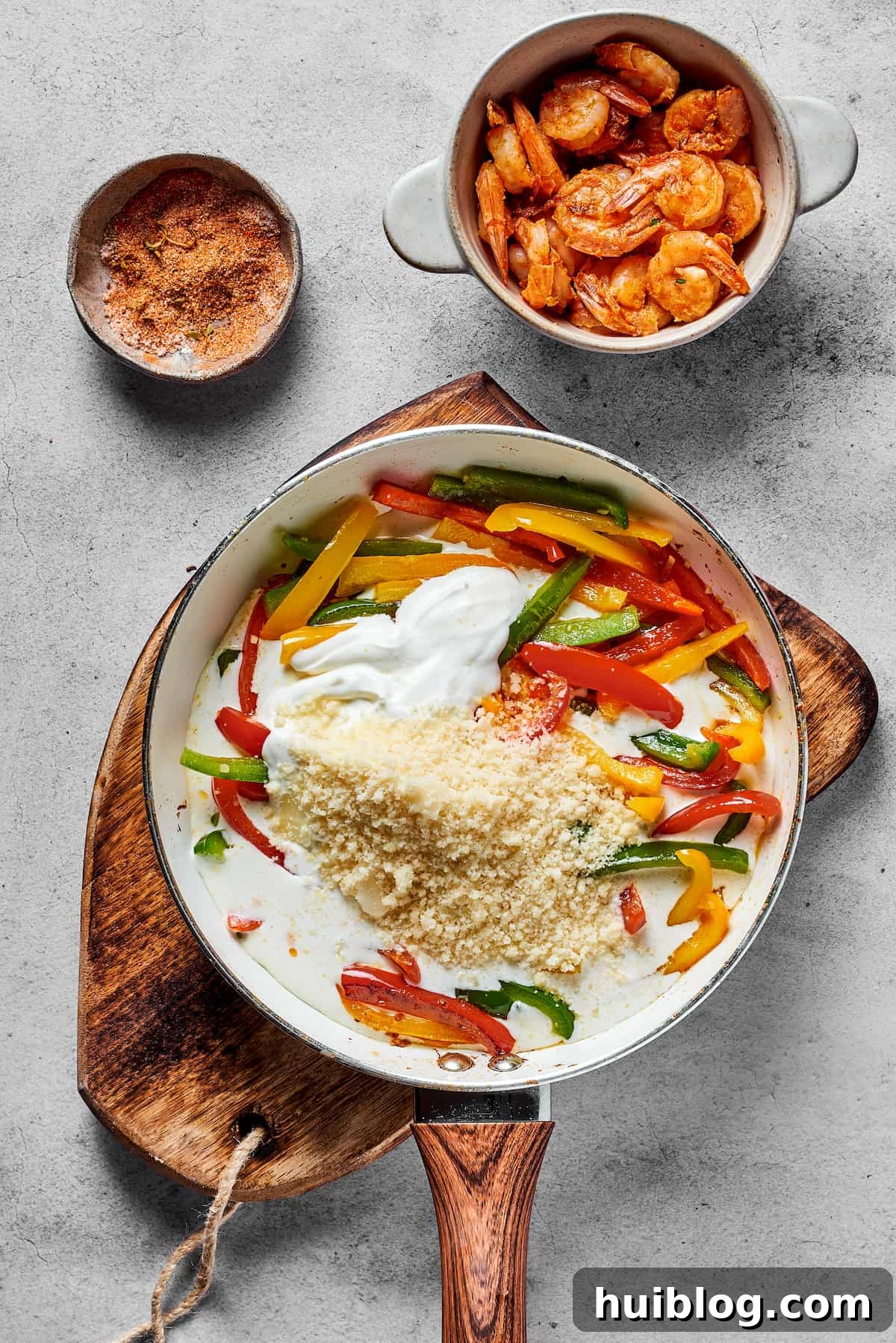
- Create the Creamy Sauce: Pour the heavy cream into the skillet with the sautéed vegetables. Add the softened cream cheese and the ½ cup of grated Parmesan cheese. Stir this mixture continuously over medium heat until all the cheeses are fully melted and the sauce becomes beautifully smooth and slightly thickened. This process should take around 5-7 minutes.
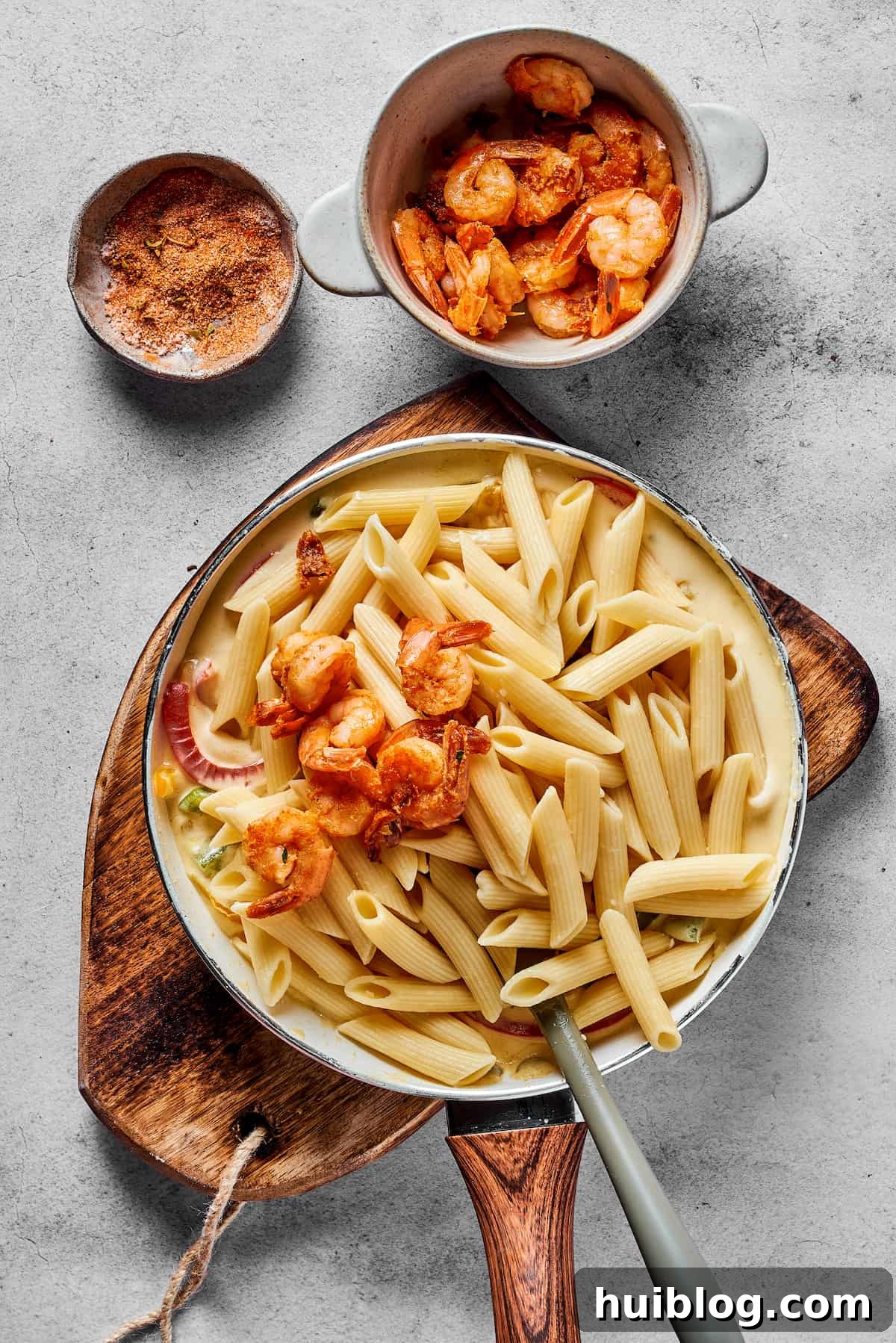
- Combine and Finish: Add the cooked penne pasta and the seared shrimp back into the skillet with the creamy sauce. Gently toss everything together until the pasta and shrimp are thoroughly coated in the rich, flavorful sauce. Remove the skillet from the heat immediately.
- Garnish and Serve: Garnish your vibrant Rasta Pasta generously with freshly sliced green onions (or chopped fresh parsley) and an extra sprinkling of grated Parmesan cheese. Serve this amazing dish immediately while it’s hot to enjoy its optimal creamy texture and incredible flavors.
Nutrition Facts (Estimated per serving):
- Calories: 857 kcal
- Carbohydrates: 97 g
- Protein: 24 g
- Fat: 42 g
- Saturated Fat: 25 g
- Polyunsaturated Fat: 2 g
- Monounsaturated Fat: 11 g
- Trans Fat: 0.2 g
- Cholesterol: 119 mg
- Sodium: 363 mg
- Potassium: 591 mg
- Fiber: 6 g
- Sugar: 9 g
- Vitamin A: 2850 IU
- Vitamin C: 120 mg
- Calcium: 264 mg
- Iron: 3 mg
Nutritional information is an estimate provided as a courtesy. Values may vary based on ingredients and preparation methods. Please use your preferred nutritional calculator for precise details.
Tips and Tricks for the Perfect Rasta Pasta
Achieving Rasta Pasta perfection is even easier with a few expert tips and tricks. These suggestions will help you customize the dish and ensure consistently delicious results every time.
- Protein Power: While shrimp is traditional and delicious, this versatile pasta dish welcomes other proteins. Feel free to substitute the shrimp with diced chicken breast or thighs, lean pork strips, or even spicy sausage. For a vegetarian option, simply omit the meat and add extra vegetables like mushrooms or chickpeas to boost the dish’s heartiness.
- Pasta Perfection: When choosing your pasta, short shapes are your best friend. Penne is excellent, but other short varieties like fusilli, rotini, or orecchiette also work wonderfully, as their shapes effectively trap the creamy sauce and are easy to eat with the shrimp and sliced vegetables. Avoid long noodles like spaghetti or fettuccine unless you’re willing to break them into shorter, more manageable 2-inch pieces.
- Vegetable Variety: Don’t hesitate to boost the nutritional value and flavor with extra vegetables. Matchstick carrots add a touch of sweetness, half-moons of zucchini or summer squash blend seamlessly, and baby spinach wilts beautifully into the sauce. Even diced tomatoes or corn kernels can add a lovely burst of color and flavor.
- Control the Heat: The cayenne pepper provides a warm, spicy kick. If you prefer a milder dish, reduce the amount or omit it entirely. For those who love extra heat, consider adding a pinch of red pepper flakes or a dash of your favorite hot sauce to the finished dish. You can also experiment with a small amount of Scotch Bonnet or Habanero pepper for a more authentic Jamaican spice level, but be very cautious as they are extremely hot!
- Authentic Spice Profile: The spice blend listed provides a fantastic jerk-like flavor. However, if you have a favorite store-bought Jamaican jerk seasoning or paste, feel free to use it instead. Start with a small amount and adjust to taste, as commercial blends can vary significantly in heat and intensity. This can add an even deeper layer of authentic Caribbean flavor.
- Achieving Creaminess: To ensure your sauce remains perfectly smooth and doesn’t separate, always add the heavy cream and cheeses over medium-low heat. Stir continuously until everything is fully melted and incorporated. If the sauce seems too thick, you can thin it with a splash of warm pasta water or a little extra heavy cream.
Complementary Side Dishes
Rasta Pasta is a wonderfully complete meal on its own, offering a perfect balance of protein, vegetables, and carbohydrates. However, it also pairs beautifully with a fresh, simple side dish to round out your dining experience. Here are some suggestions that complement its rich flavors:
- Easy Garlic Knots: These irresistible garlic knots, often made quickly with pre-made pizza dough, are perfect for soaking up every last drop of the delicious creamy Rasta Pasta sauce.
- Garlic Butter Roasted Asparagus: Fresh, vibrant green asparagus spears, simply roasted with garlic butter, provide a wonderful crisp texture and earthy flavor that cuts through the richness of the creamy pasta.
- Roasted Sugar Snap Peas: Sweet, crunchy sugar snap peas, perhaps paired with thinly sliced red onion, offer a refreshing contrast to the spicy Jamaican shrimp and creamy pasta. Their natural sweetness and crispness are a fantastic palate cleanser.
Storing and Reheating Leftovers
If you’re lucky enough to have leftover Rasta Pasta, storing it properly ensures you can enjoy its deliciousness another time. Pack any remaining pasta in airtight containers and refrigerate promptly. It will stay fresh and flavorful for up to three days. When it’s time to reheat, gently warm the desired portion in a covered skillet over low heat. Add a splash of milk or extra heavy cream if the sauce appears to have thickened too much or seems dry, stirring occasionally until just heated through. This will help restore its creamy texture and prevent it from drying out.
Can You Freeze Rasta Pasta?
While many recipes might suggest freezing Rasta Pasta for extended storage, it’s generally best enjoyed fresh. Cream-based sauces, like the one in Rasta Pasta, have a tendency to separate and become grainy once frozen and then thawed. This can significantly alter the desirable creamy texture. If freezing is your only option, ensure you pack it in freezer-safe bags or containers, squeezing out as much air as possible before sealing. Thaw it completely in the refrigerator overnight before reheating gently over low heat, adding a little cream or milk to help re-emulsify the sauce. However, for the best culinary experience, freshly made Rasta Pasta is always the way to go.
Explore More Creamy Pasta Recipes
If you loved the creamy indulgence of this Rasta Pasta, you’ll definitely want to try these other delightful pasta creations:
- Chicken Alfredo Pasta Bake
- Instant Pot Pasta Shells and Beef
- Baked Cream Cheese Pasta with Shrimp