
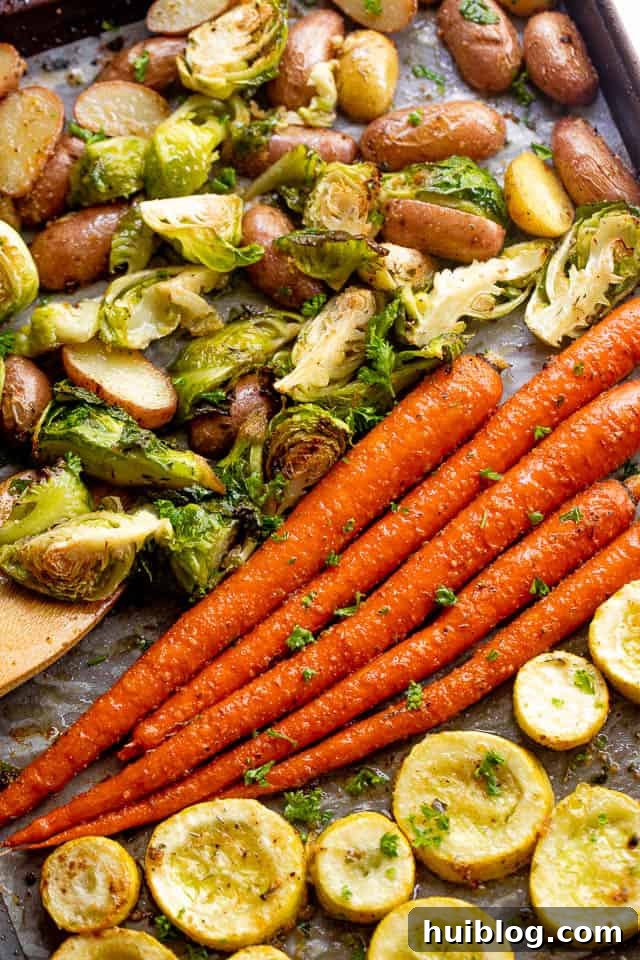
Unlock a world of vibrant flavors and effortless healthy eating with these incredible Easy Oven Roasted Vegetables. This recipe isn’t just a side dish; it’s a culinary revelation that combines simplicity with sensational taste. Imagine a medley of fresh vegetables, perfectly caramelized and infused with a tangy balsamic vinaigrette, all prepared on a single sheet pan. Ideal for busy weeknights, holiday feasts, or meal prepping, these roasted vegetables deliver intense, earthy flavors that complement almost any main course. Forget bland steamed greens; roasting transforms humble produce into a crispy, tender, and irresistibly delicious experience that your whole family will adore. Dive into this simple guide and discover your new favorite way to enjoy vegetables.
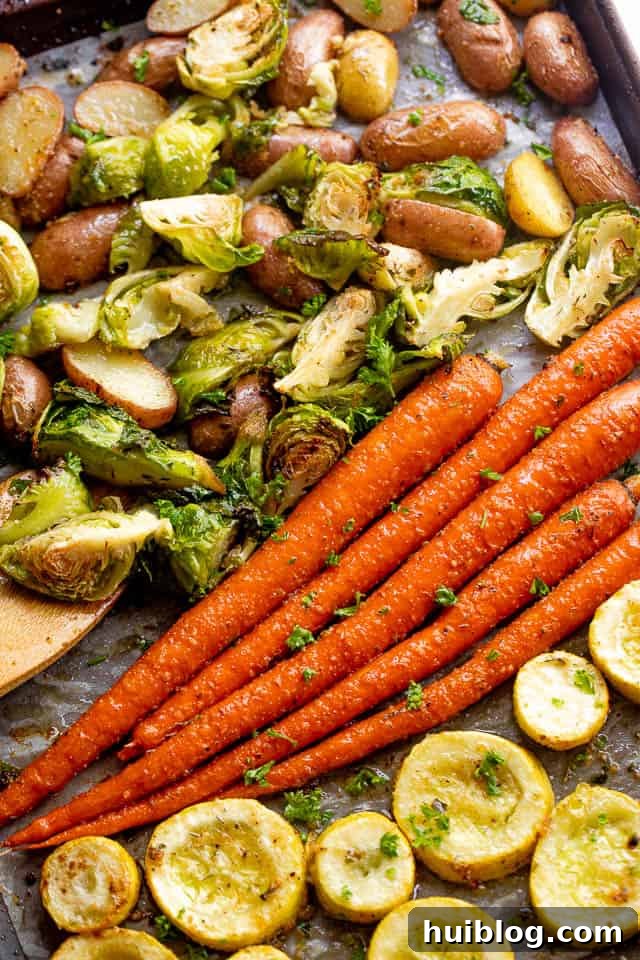
Crispy Oven Roasted Vegetables: A Versatile Side Dish
There’s an undeniable magic that happens when fresh vegetables meet the high heat of an oven. While traditional methods like steaming or boiling have their place, roasting brings out a depth of flavor and a delightful texture that is simply unmatched. The natural sugars within the vegetables caramelize, creating a slightly sweet, savory crust, while the insides remain tender and juicy. It’s a transformation that makes even the most reluctant vegetable-eaters come back for more. This method is not only incredibly delicious but also remarkably straightforward, making it perfect for anyone looking to add more wholesome ingredients to their diet without spending hours in the kitchen.
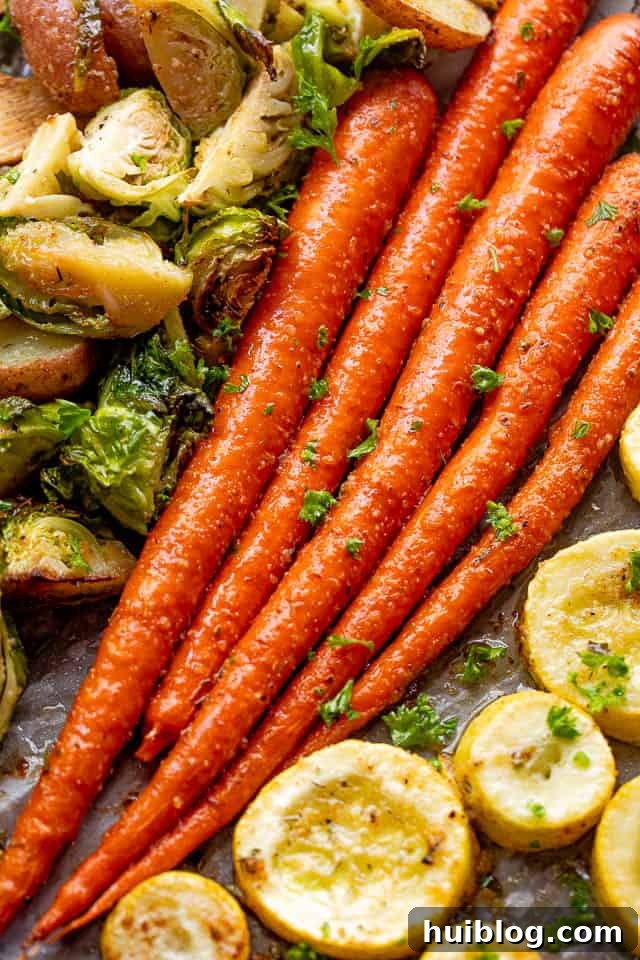
Our featured recipe takes this concept to the next level with a vibrant balsamic vinaigrette. This zesty sauce isn’t just a coating; it’s an active participant in the roasting process, intensifying the vegetables’ natural sweetness and adding a delightful tang that truly shines in the oven’s heat. The combination creates a crispy, earthy, and richly flavored side dish that pairs beautifully with a vast array of entrées. While we specifically highlight a harmonious blend of brussels sprouts, yellow squash, carrots, and fingerling potatoes, the beauty of this recipe lies in its adaptability. Feel free to explore and use your favorite seasonal vegetables or whatever you have on hand – the technique and the vinaigrette will ensure delicious results every time.
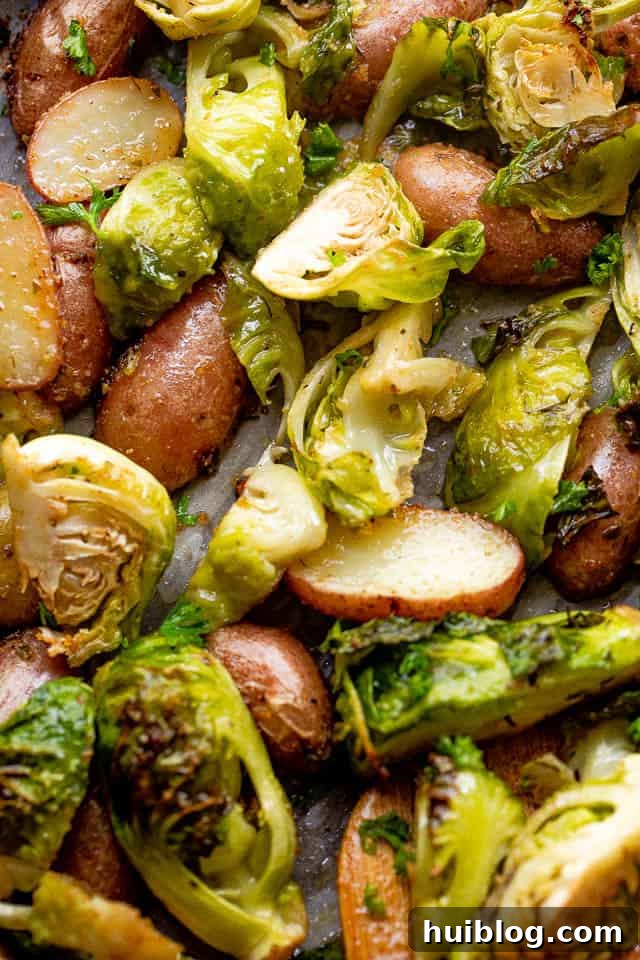
Essential Ingredients for Perfectly Roasted Vegetables
Crafting the perfect batch of roasted vegetables begins with selecting quality ingredients. Each component plays a vital role in achieving that sought-after balance of flavor and texture. Here’s a detailed look at what you’ll need:
- Extra Virgin Olive Oil: You’ll need approximately ¼ cup for the vinaigrette. Opt for good quality extra virgin olive oil for its rich, fruity flavor profile, which contributes significantly to the overall taste of the sauce and helps the vegetables achieve a beautiful crispness. While lighter oils can be used, they won’t offer the same depth of flavor.
- Balsamic Vinegar: About 3 tablespoons of this pungent, sweet-sour vinegar are perfect for creating the signature tangy flavor of our vinaigrette. Its acidity helps tenderize the vegetables while roasting and provides a lovely counterpoint to their earthy sweetness. Adjust to your personal taste.
- Fresh Garlic: Roughly 4 cloves of minced fresh garlic will infuse the vinaigrette with a warm, aromatic kick. If you have a garlic press, it makes quick work of this task, ensuring finely minced garlic that distributes evenly throughout the sauce.
- Dried Herbs and Spices: A carefully chosen blend of dried oregano, rosemary, thyme, and basil creates a classic Mediterranean-inspired flavor profile. For rosemary, using crushed dried pieces is recommended as the smaller fragments blend better and are more pleasant to eat compared to whole needles. This combination offers a fragrant, savory depth to the dish.
- Salt and Pepper: Essential for seasoning, these staples enhance all the other flavors. Use freshly ground black pepper for the best aroma and taste, and season generously, adjusting to your preference after roasting.
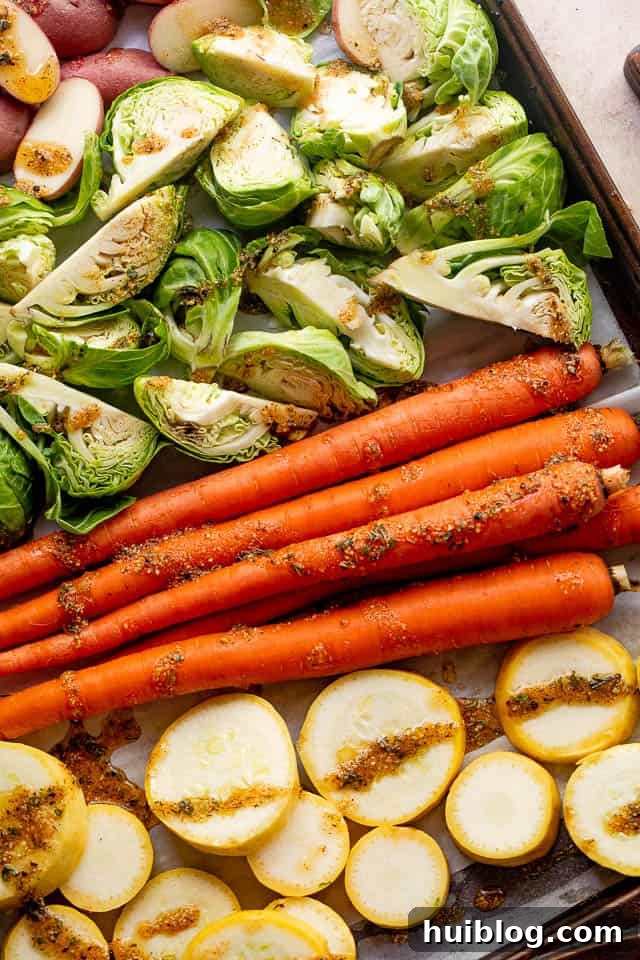
- Brussels Sprouts: One pound of fresh brussels sprouts. Ensure they are washed, any tough outer leaves peeled away, and then halved. Halving allows for more surface area to crisp up and ensures even cooking.
- Yellow Squash: A pound of yellow squash, cut into 2-inch thick slices. Yellow squash adds a delicate sweetness and soft texture to the medley, contrasting nicely with the firmer vegetables.
- Carrots: Approximately 4 medium-sized carrots, cut into 1.5-inch chunks. If your carrots are thicker at one end, consider halving those thicker pieces lengthwise to ensure all carrot pieces cook uniformly at the same rate. Carrots add a natural sweetness and vibrant color.
- Fingerling Potatoes: About 4 cups of fingerling potatoes, halved lengthwise. Fingerlings are excellent for roasting due to their creamy texture and thin skin, which crisps beautifully. Alternatively, baby red potatoes, halved (or quartered if larger), work equally well, providing a similar texture and flavor.
Step-by-Step Guide to Roasting Vegetables with Balsamic Vinaigrette
This recipe is designed for ease and enjoyment, making it a fantastic introduction for aspiring young chefs or a stress-free option for seasoned cooks. Involving children in the kitchen can be a rewarding experience, and tasks like measuring ingredients or washing vegetables are perfect for little hands (always prioritizing kitchen safety for cutting tasks!). Follow these simple steps for perfectly roasted vegetables:
- Prepare Your Workspace and Oven: Begin by preheating your oven to 400˚F (200˚C). While the oven heats, gather all your ingredients and prepare your baking sheets. For easier cleanup, you can line your baking sheets with parchment paper at this stage.
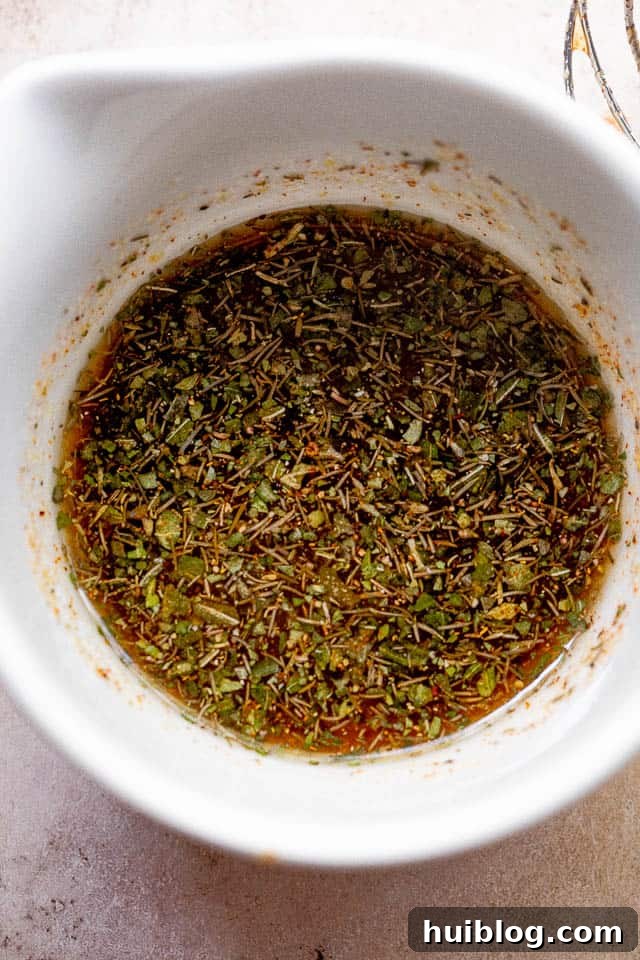
- Whisk the Balsamic Vinaigrette: In a medium mixing bowl, combine the ¼ cup of extra virgin olive oil, 3 tablespoons of balsamic vinegar, 4 cloves of minced garlic, 1 tablespoon of dried oregano, 1 tablespoon of dried crushed rosemary, 1 ½ teaspoons of dried thyme, 1 ½ teaspoons of dried basil, and a generous pinch of salt and freshly ground black pepper. Whisk all these ingredients together vigorously until they are well incorporated and emulsified into a fragrant, uniform sauce. Set this flavorful vinaigrette aside.
- Prepare and Arrange the Vegetables: Wash, peel, and cut your vegetables as directed in the ingredients list: halve the brussels sprouts, slice the yellow squash into 2-inch thick pieces, cut carrots into 1.5-inch chunks (halving thicker pieces lengthwise), and halve fingerling potatoes lengthwise. Spread the prepared vegetables evenly across a large 11×17 inch baking sheet, or use two smaller baking sheets if needed, ensuring they are in a single layer. This single layer is crucial for achieving crispiness, as overcrowding can lead to steaming rather than roasting.
- Coat the Vegetables Evenly: Pour the freshly whisked balsamic vinaigrette over the prepared vegetables on the baking sheet(s). Using your hands or a large spoon, toss the vegetables thoroughly until every piece is completely and evenly coated in the delicious sauce. If the vegetables seem a little dry, you can drizzle a touch more olive oil to ensure good coverage.
- Roast to Perfection: Place the baking sheet(s) onto the middle rack of your preheated oven. Bake for approximately 35 to 40 minutes. Halfway through the cooking time (around the 17-20 minute mark), open the oven and gently stir the vegetables with a spatula to ensure even browning and crisping on all sides. Continue baking until the vegetables are tender when pierced with a fork and beautifully caramelized with slightly browned edges.
- Final Seasoning and Serve: Once cooked, carefully remove the baking sheet(s) from the oven. Taste a piece of the roasted vegetables and adjust the seasoning with additional salt and pepper as needed. Serve immediately and enjoy the incredible flavors of your perfectly roasted vegetables!
Pro Tips for the Ultimate Roasted Vegetable Experience
Achieving perfectly crisp, tender, and flavorful roasted vegetables is an art that can be mastered with a few simple tricks. Elevate your roasting game with these expert tips:
- Don’t Overcrowd the Pan: This is perhaps the most crucial tip. When vegetables are too close together on a baking sheet, they release moisture and steam each other instead of roasting and caramelizing. The result is soggy, rather than crispy. Use two baking sheets if necessary to ensure a single, uncrowded layer of vegetables. Ample space allows for proper air circulation, leading to that coveted crispy exterior.
- Ensure Even Sizing: Cut all your vegetables into roughly similar-sized pieces. This promotes even cooking, ensuring that everything is tender at the same time. If you have some vegetables that naturally cook faster (like squash) and others slower (like potatoes), you can cut the slower-cooking ones slightly smaller, or add them to the pan a few minutes before the faster-cooking ones.
- The Broiler is Your Friend for Extra Crispness: Ovens can vary widely, and sometimes your vegetables might be tender but not quite as crispy or browned as you’d like within the allotted bake time. Instead of overcooking them, simply switch your oven to the broiler setting for the last minute or two. Keep a close eye on them, as broilers work quickly, but this trick will give you those desirable charred, crispy edges in no time!
- Parchment Paper for Seamless Cleanup: For a truly effortless cleanup, line your baking sheets with parchment paper before arranging the vegetables. This prevents sticking and makes transferring the cooked veggies and tidying up your pans an absolute breeze. Aluminum foil can also be used, but parchment paper generally offers superior non-stick properties.
- Cover as Needed for Tenderness: If you find that your vegetables are browning too quickly on the outside but are still quite firm or undercooked on the inside, a simple solution is to cover the baking sheet loosely with a sheet of aluminum foil. This traps moisture and heat, allowing the vegetables to steam slightly and become tender without excessive browning. Remove the foil for the last five to ten minutes of cooking to let them crisp up again.
- Experiment with Oils: While extra virgin olive oil is excellent, don’t be afraid to experiment with other high-smoke-point oils for roasting, such as avocado oil or grapeseed oil. They offer different flavor nuances and can withstand higher temperatures if you’re looking for a more aggressive roast.
- Fresh Herbs at the End: For an extra burst of fresh flavor and vibrant color, consider sprinkling some freshly chopped herbs (like parsley, cilantro, or chives) over the roasted vegetables just before serving. This adds a beautiful finishing touch and brightens the dish.
Delectable Serving Suggestions for Your Roasted Vegetables
These balsamic roasted vegetables are incredibly versatile, making them a perfect complement to a wide array of main dishes. Here are some ideas to inspire your next meal:
- Hearty Pasta Bake: Roasted vegetables often fall into the “comfort food” category, and what better way to enjoy them than alongside another comforting classic? Pair them with a rich and creamy baked pasta dish. My Creamy Baked Pasta with Zucchini and Mushrooms offers a vegetarian pairing that harmonizes beautifully with the earthy, roasty flavors of this side. The textures and flavors create a truly satisfying meal.
- Sizzling Salmon: For a lighter yet equally satisfying meal, serve these veggies with perfectly cooked salmon. You can easily whip up this healthy and flavorful Pan Seared Salmon with Dill Sauce while your vegetables are finishing up in the oven. The richness of the salmon and the bright, fresh dill sauce provide a fantastic contrast to the caramelized vegetables, making for a healthy, savory, and elegant dinner that comes together in under an hour.
- Classic Chicken Entree: A simple, well-prepared chicken dish is always a winner with roasted vegetables. Serve them alongside Juicy Oven Baked Chicken Breasts for a complete and wholesome meal. This combination is not only delicious but also practical – you can easily double both recipes and have leftovers ready for quick and healthy weekday lunches. The savory chicken and the flavorful vegetables create a balanced and deeply satisfying plate.
- Versatile Grain Bowls: For a wholesome and customizable meal, use your roasted vegetables as the base for a grain bowl. Combine them with quinoa, farro, or brown rice, add some chickpeas or a fried egg for protein, and a drizzle of tahini sauce or extra vinaigrette. This makes for a fantastic lunch or a light dinner.
- Breakfast or Brunch Hash: Repurpose leftovers into a delicious breakfast hash. Simply chop any larger leftover vegetable pieces, sauté them briefly with some onions or bell peppers, and top with a fried or poached egg. It’s a flavorful and hearty way to start your day.
- Grilled Meats: These roasted vegetables are the ideal accompaniment to any grilled protein. Whether it’s steak, pork chops, or grilled halloumi, their robust flavor profile stands up beautifully, adding a burst of color and nutrition to your BBQ spread.
Storing and Reheating Leftover Roasted Vegetables
One of the many benefits of this easy roasted vegetable recipe is how well the leftovers keep, making it excellent for meal prepping. Proper storage ensures they remain delicious for future enjoyment.
- To Refrigerate: Once the roasted vegetables have cooled completely to room temperature, transfer them to airtight containers or heavy-duty food storage bags. Storing them in airtight containers is crucial to prevent them from drying out and absorbing other odors from your refrigerator. When stored correctly, these vegetables will maintain their quality for up to 3 days in the refrigerator.
- To Reheat: For the best results and to help regain some of their original crispness, avoid microwaving. Instead, spread the leftover roasted vegetables in a single layer on a baking sheet. Place the baking sheet in a preheated oven at 400˚F (200˚C) and bake for approximately 5 to 10 minutes, or until they are thoroughly heated through and have slightly re-crisped edges. Stirring halfway through can help with even reheating.
- Freezing is Not Recommended: While technically possible, freezing roasted vegetables is generally not recommended. The high water content in many vegetables can lead to a mushy, degraded texture upon thawing and reheating. The vibrant crispness achieved through roasting is often lost, resulting in a less appealing dish. It’s best to enjoy them fresh or within a few days from the refrigerator.
Frequently Asked Questions About Oven Roasted Vegetables
Here are some common questions to help you master this delightful side dish:
- Can I use frozen vegetables for this recipe?
While fresh vegetables are highly recommended for the best texture and crispness, you can use frozen vegetables. However, they may release more water, making it harder to get them crispy. Thaw them completely and pat them very dry before tossing with the vinaigrette and roasting. You might also need to increase the cooking time slightly.
- What other vegetables can I roast?
The possibilities are endless! Great additions or substitutions include bell peppers, broccoli florets, cauliflower florets, zucchini, sweet potatoes, red onions, mushrooms, or asparagus. Adjust cooking times as some vegetables cook faster than others.
- How do I prevent my vegetables from becoming soggy?
The key steps are not overcrowding the baking sheet (use two if needed), ensuring the vegetables are cut into uniform pieces, and patting them dry before adding the oil and seasoning. High oven temperature also promotes crisping.
- Can I prepare the vegetables ahead of time?
You can wash and cut the vegetables a day in advance and store them in an airtight container in the refrigerator. Prepare the vinaigrette separately. Toss them together with the vinaigrette just before roasting to prevent sogginess.
- Is this recipe suitable for dietary restrictions?
Yes! This recipe is naturally vegetarian, vegan, and gluten-free. It’s a wholesome and healthy side dish suitable for a wide range of dietary needs.
- What’s the best type of baking sheet to use?
A heavy-duty, light-colored aluminum baking sheet is ideal. Darker pans can sometimes cause vegetables to brown too quickly. A large, rimmed baking sheet prevents juices from spilling and provides ample space.
Print Recipe
Easy Roasted Vegetables
Ingredients
- ¼ cup extra virgin olive oil
- 3 tablespoons balsamic vinegar
- 4 cloves garlic,, minced
- 1 tablespoon dried oregano
- 1 tablespoon dried crushed rosemary
- 1 ½ teaspoons dried thyme
- 1 ½ teaspoons dried basil
- Salt and freshly ground black pepper
- 1 pound brussel sprouts,, halved
- 1 pound yellow squash,, cut into 2-inch thick slices
- 4 carrots,, cut into 1.5-inch chunks
- 4 cups fingerling potatoes,, halved longwise
Instructions
-
Preheat oven to 400˚F.
-
In a mixing bowl combine olive oil, balsamic vinegar, garlic, oregano, rosemary, thyme, basil, salt, and pepper; whisk until incorporated and set aside.
-
Prepare the veggies and spread them out on a large, 11×17 baking sheet in one single layer. Or use 2 smaller baking sheets.
-
Pour the prepared dressing over the vegetables and toss until thoroughly combined and evenly coated. Add more oil if needed.
-
Place on middle rack in the oven and bake for 35 to 40 minutes, stirring the vegetables halfway through cooking.
-
Remove from oven and taste for salt and pepper; adjust accordingly.
-
Serve.
Nutrition
Nutritional info is an estimate and provided as courtesy. Values may vary according to the ingredients and tools used. Please use your preferred nutritional calculator for more detailed info.
Did you make a recipe? Leave a rating!
There you have it – a comprehensive guide to crafting the most irresistible oven roasted vegetables. With their crispy edges, tender interiors, and a tangy balsamic glaze, these vegetables are sure to become a staple in your kitchen. Whether you’re a seasoned chef or just starting your culinary journey, this recipe offers a simple yet profoundly satisfying way to enjoy healthy, flavorful food. Experiment with different vegetables, adjust the seasonings to your liking, and make this dish truly your own. Happy roasting!