
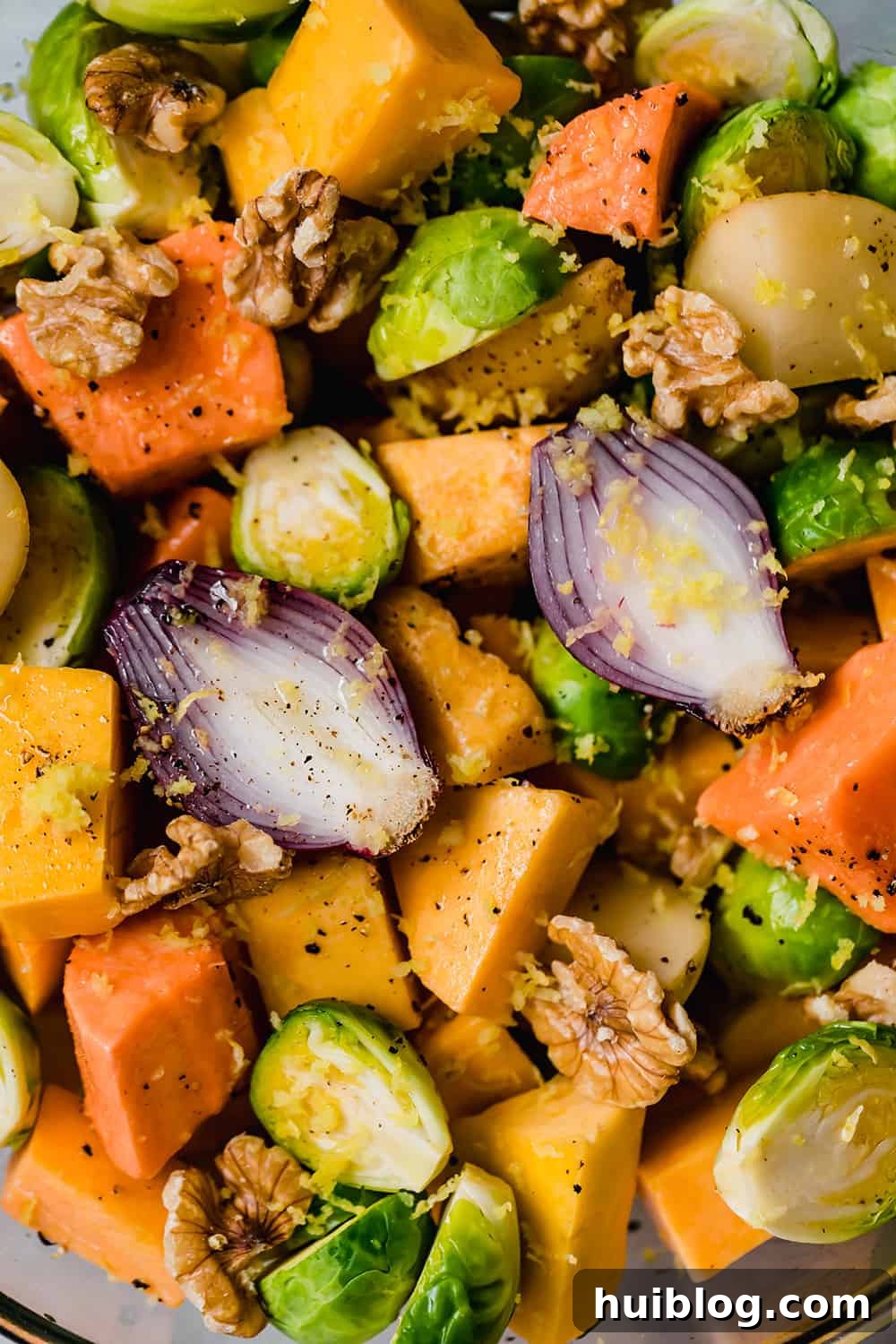
Unlock the secret to effortlessly delicious and healthy meals with this ultimate guide to Easy Roasted Vegetables. Whether you’re preparing a festive holiday feast or a simple weeknight dinner, this recipe transforms ordinary vegetables into extraordinary culinary delights. Imagine tender, caramelized veggies infused with the aromatic essence of olive oil, bright lemon, fragrant thyme, and the nutty crunch of walnuts – a truly irresistible combination that makes eating your greens (and reds, and oranges!) not just easy, but genuinely appealing.
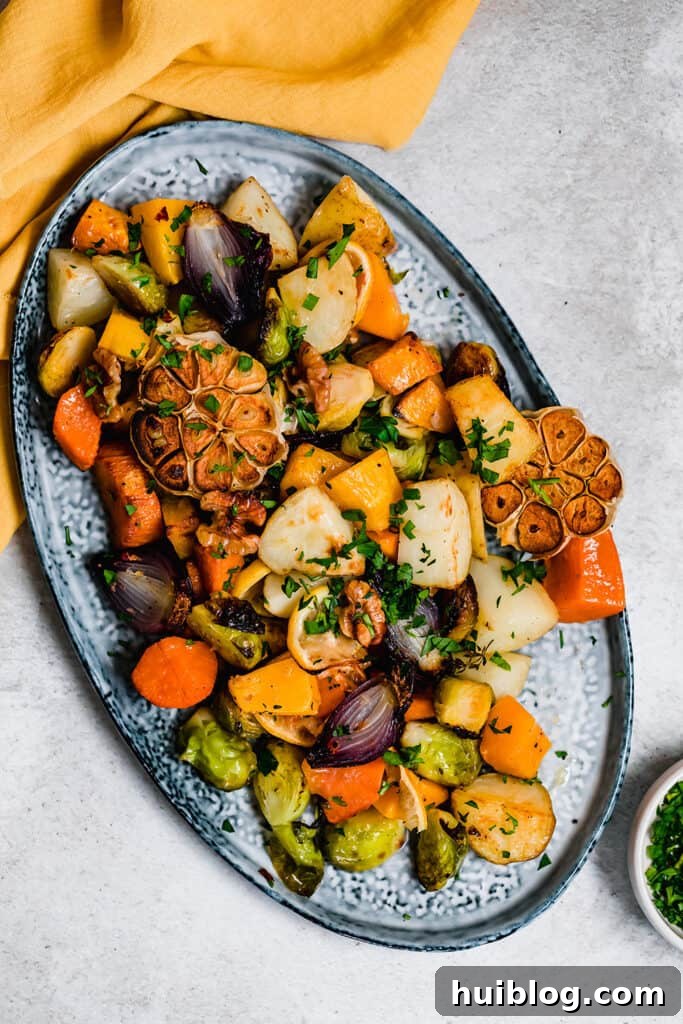
Embrace Simplicity: The Magic of Fuss-Free Roasted Vegetables
In a world often bustling with complex recipes, there’s a profound joy in simplicity. This medley of winter vegetables exemplifies that joy, offering a dish that’s rich in flavor, texture, and visual appeal, all with minimal effort. Forget complicated techniques or extensive ingredient lists; this recipe champions a fuss-free approach to wholesome eating. The beauty lies in allowing the natural sugars of the vegetables to caramelize in the oven, creating a depth of flavor that’s both comforting and satisfying. Paired with a straightforward dressing that elevates rather than overwhelms, you’ll discover that a handful of basic ingredients can truly shine.
The roasting method itself is incredibly forgiving, making it perfect for both novice cooks and seasoned chefs alike. It requires very little hands-on time, allowing you to focus on other aspects of your meal preparation or simply relax while your oven does all the hard work. This makes it an ideal choice for busy weeknights when time is of the essence, or for special occasions when you want to impress without being tied to the kitchen. It’s a testament to how humble ingredients, treated with respect and a touch of warmth, can become the star of any table.
Why This Roasted Vegetable Recipe Will Become Your New Favorite
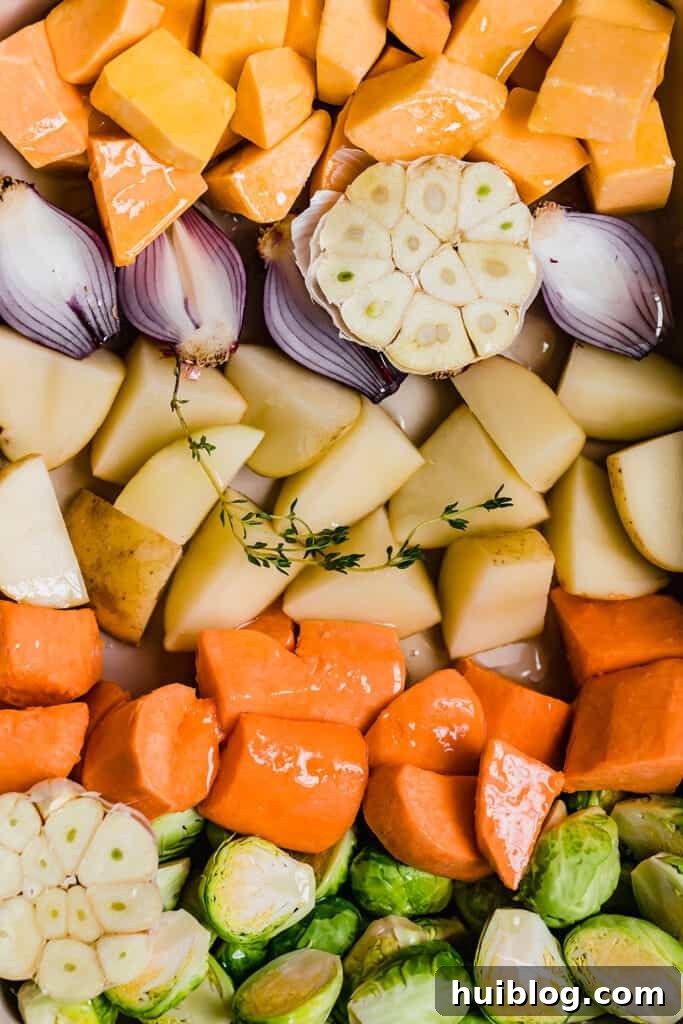
What sets this particular roasted vegetable recipe apart from the rest? While many recipes call for minced garlic, which offers a sharp, pungent kick, this version takes a unique and incredibly rewarding approach: roasting whole heads of garlic. Slicing the garlic heads horizontally allows each individual clove to gently cook down, transforming from its raw intensity into a soft, buttery, and deeply caramelized delight. This mellowed garlic adds an incredible sweetness and depth of umami to the dish, infusing every bite with a sophisticated, earthy flavor that’s simply unmatched.
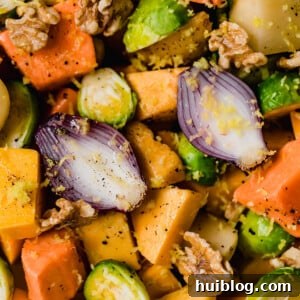
Beyond the innovative use of garlic, the recipe celebrates a vibrant blend of healthy, seasonal vegetables. From the earthy sweetness of butternut squash and sweet potatoes to the slightly bitter notes of Brussels sprouts and the comforting starchiness of regular potatoes, each vegetable contributes its unique texture and flavor. This colorful assortment is then coated in a deceptively simple yet brilliantly effective dressing of premium olive oil, bright lemon zest, and fragrant fresh thyme. The lemon zest awakens the palate, the thyme adds an aromatic herb garden essence, and the olive oil ensures a beautiful, golden crisp on the exterior of each vegetable. Together, these elements create a harmonious symphony of flavors and textures that will leave you craving more.
The Health and Flavor Benefits of Roasting Vegetables
Roasting is arguably one of the best cooking methods for vegetables, offering a multitude of benefits that extend beyond just taste. When vegetables are exposed to high heat in the oven, their natural sugars caramelize through a process called the Maillard reaction. This not only creates a wonderfully crisp exterior but also intensifies and deepens their inherent sweetness and savory notes, yielding a flavor profile far more complex and appealing than steaming or boiling.
From a nutritional standpoint, roasting can help preserve many of the heat-sensitive vitamins and minerals in vegetables, especially when cooked with a minimal amount of healthy fats like olive oil. The high heat can also break down tough fibers, making certain nutrients more bioavailable and easier for your body to absorb. Moreover, incorporating a diverse array of colorful vegetables, as this recipe does, ensures a broad spectrum of antioxidants, vitamins (like Vitamin A from squash and C from Brussels sprouts), and dietary fiber, all essential for gut health and overall well-being. This method also makes vegetables incredibly satisfying, helping you feel fuller for longer and making it easier to meet your daily vegetable intake goals.
Choosing Your Perfect Roasting Medley
While this recipe features a fantastic combination of winter root vegetables, the world of roasted vegetables is vast and open to your personal preferences. The key to a successful roast is often selecting vegetables that cook at similar rates or adjusting their sizes accordingly. Hearty root vegetables like potatoes, carrots, parsnips, and sweet potatoes are excellent choices as they become wonderfully tender and sweet when roasted. Cruciferous vegetables such as Brussels sprouts, broccoli, and cauliflower also roast beautifully, developing crispy edges and a nutty flavor. Softer vegetables like bell peppers, zucchini, and mushrooms can be added later in the cooking process to prevent them from becoming too mushy.
Don’t hesitate to experiment with seasonal produce. In the spring, asparagus and snap peas can be delightful. Summer might bring cherry tomatoes and corn on the cob. Fall is perfect for different varieties of squash and root vegetables. Consider the colors and textures you want to achieve; a mix of firm, soft, sweet, and savory elements creates a more exciting dish. For this recipe, we focus on a robust blend that holds up well to the roasting time and absorbs the lemon-thyme flavors beautifully, providing a comforting and nutritious side dish for any season.
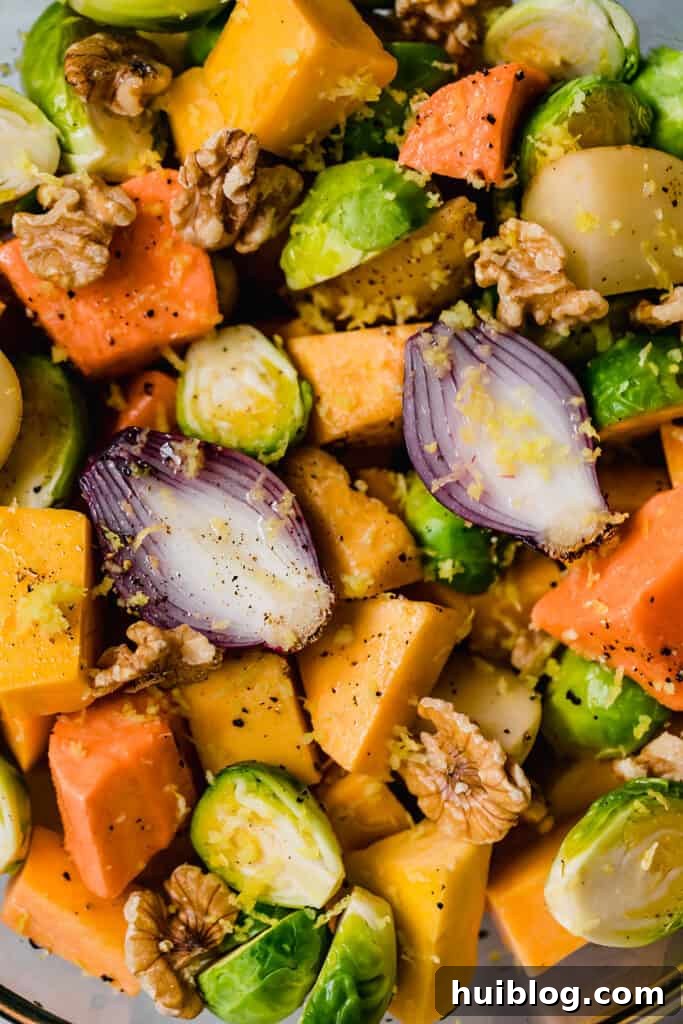
Essential Ingredients for Your Roasted Vegetable Masterpiece
The beauty of this recipe lies in its carefully selected yet straightforward ingredients, each playing a crucial role in creating a harmonious and flavorful dish. Here’s a detailed look at what you’ll need:
- Extra Virgin Olive Oil: This isn’t just for coating; it’s a key flavor component. Choose a good quality olive oil for its rich, fruity notes and its ability to help the vegetables achieve that desirable golden-brown crispness.
- Salt and Freshly Cracked Black Pepper: Basic seasonings that enhance all other flavors. Don’t be shy with the salt; it brings out the natural sweetness of the vegetables.
- Fresh Lemon Zest: The zest, not the juice, is used here for its concentrated citrus oils, which impart a bright, aromatic freshness without adding excess liquid. Use a fine grater or zester for best results from 1 lemon.
- Fresh Thyme Sprigs: Fresh herbs are paramount for aromatic depth. Thyme, with its earthy and slightly floral notes, pairs wonderfully with roasted vegetables and lemon. You’ll need 3 sprigs.
- Brussels Sprouts: Trimmed and halved, these cruciferous gems develop a delightful tenderness and a slightly sweet, nutty flavor when roasted. Approximately 1 pound.
- Garlic Heads: The star of this recipe! Two whole heads of garlic, skins on, sliced horizontally. This allows the cloves to caramelize into sweet, spreadable pockets of flavor.
- Butternut Squash: Peeled and cubed, butternut squash adds a beautiful orange hue and a creamy, sweet texture that contrasts perfectly with the other veggies. About 1 pound.
- Potatoes: Three medium potatoes, peeled and quartered, provide a comforting and hearty element. You can use Russet, Yukon Gold, or red potatoes depending on your preference for texture.
- Onion: Small red onions, halved, add a savory sweetness and become wonderfully tender and slightly charred. Any kind of onion works, but red onions offer a nice color. Approximately 4 baby red onions or 1 medium red onion.
- Sweet Potatoes: Peeled and cubed, sweet potatoes contribute another layer of sweetness and a vibrant color, packed with nutrients. About 1 pound.
- Lemon Slices: Thinly sliced rounds from the remaining half of your lemon are scattered among the vegetables, releasing their juices and aromatics as they roast.
- Walnut Pieces: Half a cup of walnuts adds a delightful crunch, a rich, earthy flavor, and healthy fats, elevating the texture profile of the dish.
- Garnishes: Freshly chopped parsley and chives for a final burst of freshness and color. A finishing drizzle of 2 tablespoons of fresh lemon juice brightens the entire dish before serving.
How to Craft Your Perfect Pan of Roasted Vegetables
Follow these simple steps to create a show-stopping dish that’s as easy to make as it is to enjoy:
- Prepare Your Roasting Environment: Begin by preheating your oven to a robust 450°F (230°C). This high temperature is crucial for achieving beautifully caramelized and crispy vegetables. Line a large, sturdy roasting pan or baking sheet with foil or parchment paper. This simple step makes cleanup a breeze and prevents sticking.
- Whisk the Flavorful Dressing: In a small bowl, combine the extra virgin olive oil, a generous pinch of salt, a good grind of black pepper, and the fragrant zest of one lemon. Whisk these ingredients together until well combined. This dressing will coat your vegetables, ensuring every piece is infused with incredible flavor.
- Combine and Coat the Veggies: In a large mixing bowl, combine all your prepped vegetables: the halved Brussels sprouts, cubed butternut squash, quartered potatoes, halved red onions, the unique halved garlic heads, walnut pieces, and cubed sweet potatoes. Pour the prepared oil mixture over the vegetables. Toss everything thoroughly until each piece is evenly coated. Ensure the walnuts are also well distributed among the vegetables.
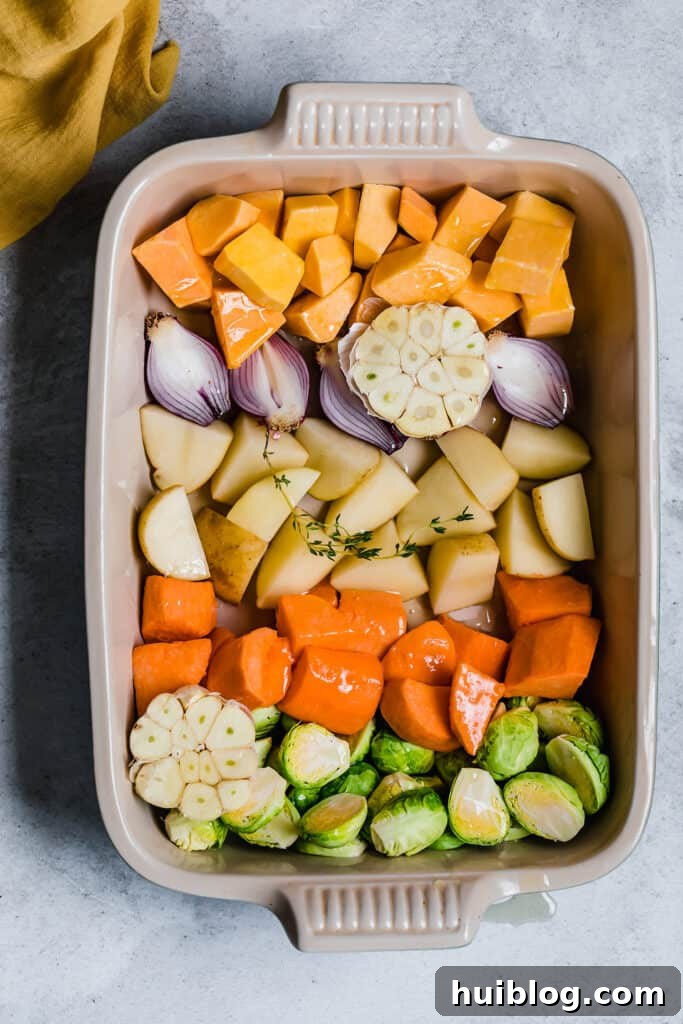
- Arrange and Infuse: Spread the coated vegetables in a single layer onto your prepared baking sheet. It’s important not to overcrowd the pan; this allows the vegetables to roast rather than steam, leading to that desirable crispness. Scatter the fresh thyme sprigs and thinly sliced lemon rounds evenly over the vegetables. These will release their aromatics as they cook, permeating the dish with their inviting scents.
- Roast to Perfection: Place the baking sheet in your preheated oven and roast for 35 to 40 minutes. Halfway through the cooking time (around 17-20 minutes), gently stir the vegetables. This ensures even cooking and browning on all sides. Continue roasting until the vegetables are beautifully golden-brown, tender when pierced with a fork, and slightly caramelized at the edges.
- Finish with a Zesty Touch: Once the vegetables reach their perfect tenderness and color, remove the pan from the oven. Immediately drizzle and toss them with the remaining 2 tablespoons of fresh lemon juice. This brightens the flavors and adds a final tangy note.
- Garnish and Serve: Transfer the roasted vegetables to a serving platter. Garnish generously with freshly chopped parsley and chives. Serve hot and enjoy the vibrant flavors and textures!
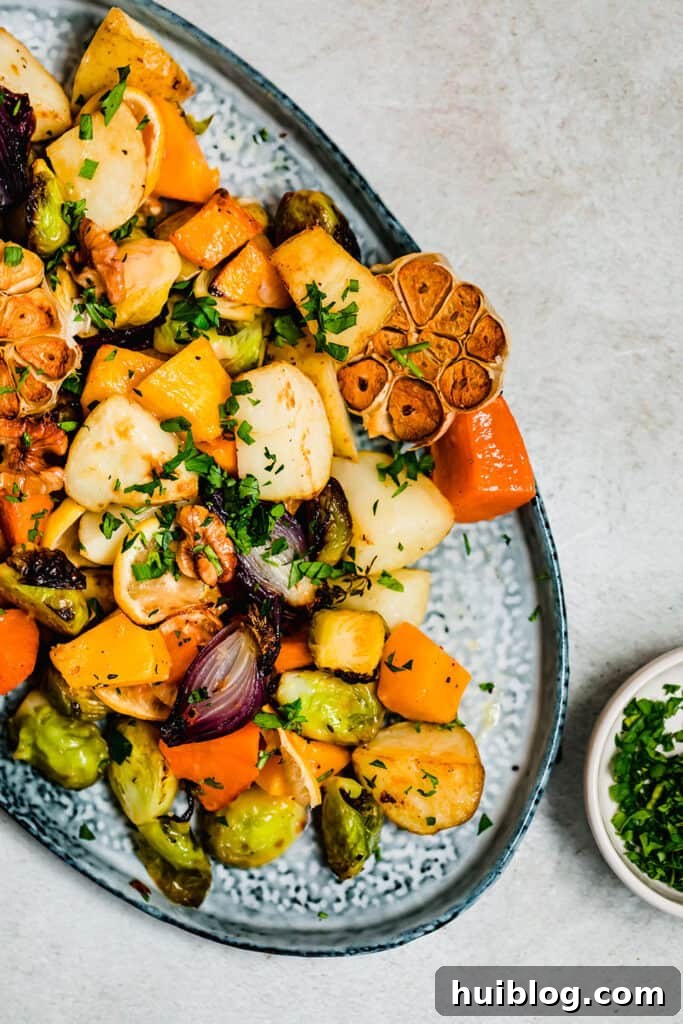
Mastering the Art of Roasted Vegetables: Expert Tips
Achieving perfectly roasted vegetables is an art, but it’s an accessible one with a few key tricks:
- Variety is the Spice of Life (and Veggies): Feel empowered to customize your vegetable medley! This recipe is incredibly adaptable. Consider adding seasonal favorites like carrots, parsnips, bell peppers, or even mushrooms. Remember that different vegetables have different cooking times. Hardier root vegetables (potatoes, squash) need longer, while softer vegetables (broccoli florets, asparagus, cherry tomatoes) should be added partway through the roasting process, perhaps during the last 15-20 minutes, to prevent them from becoming overcooked or mushy.
- Experiment with Herb Alternatives: If thyme isn’t your preferred herb, or if you simply want to try something new, many other herbs pair beautifully with roasted vegetables and lemon. Fresh rosemary sprigs offer a piney, fragrant aroma. Dried basil or rubbed sage can provide a warm, earthy undertone. Even a sprinkle of dried oregano or Italian seasoning can transform the flavor profile.
- The Secret to Extra Crispy Edges: For those who love a beautifully browned, slightly crisp exterior on their roasted vegetables, a quick finish under the broiler is a game-changer. After the vegetables are cooked through and tender, turn your oven to broil for just the last few minutes. Stay vigilant and watch them very closely, as broiling can go from perfect to burnt in a matter of seconds. Just a minute or two can be enough to achieve that desired crispness.
- Don’t Overcrowd the Pan: This is a crucial rule for roasting. If your baking sheet is too full, the vegetables will steam instead of roast, resulting in soggy rather than crispy textures. If you have a large batch of vegetables, use two baking sheets and rotate them halfway through cooking. Ensure there’s a little space between each piece for optimal airflow and browning.
- Uniformity in Chopping: For even cooking, try to chop your vegetables into roughly similar-sized pieces. This ensures that all vegetables become tender at approximately the same time, preventing some from being undercooked while others are overdone.
- High Heat is Your Friend: Roasting at a high temperature (400-450°F / 200-230°C) is essential. Lower temperatures will result in steamed, softer vegetables, while higher heat promotes caramelization and crispiness.
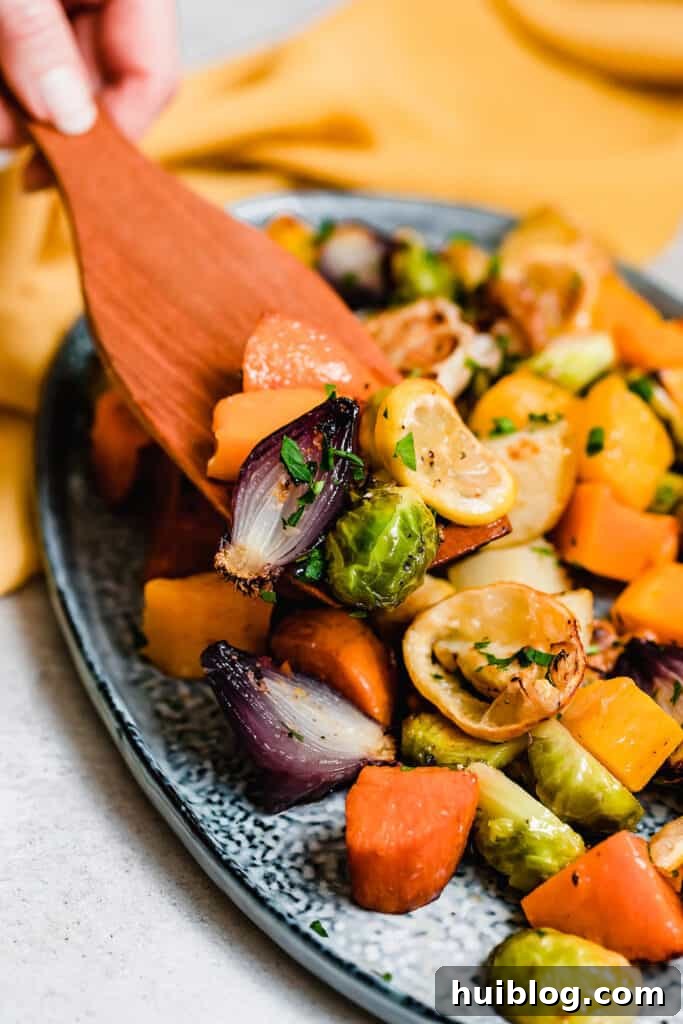
Serving Suggestions: Perfect Pairings for Roasted Vegetables
Roasted vegetables are incredibly versatile and make an excellent side dish for a wide array of main courses. Their rich, savory, and slightly sweet flavor profile complements both simple and elaborate meals:
- Poultry Perfection: These veggies are a match made in heaven for roasted chicken or turkey. Imagine serving them alongside Apple Cider Glazed Chicken Thighs for a sweet and savory harmony, or as a vibrant accompaniment to a succulent Whole Roasted Chicken or Thanksgiving turkey. The earthy flavors balance the richness of the poultry beautifully.
- Hearty Pork Dishes: For pork lovers, these roasted vegetables offer a wonderful contrast to savory pork. They pair exceptionally well with flavorful mains like Pesto Stuffed Pork Chops, where their freshness cuts through the richness of the pesto, or with aromatic Garlic Baked Pork Chops, creating a cohesive and satisfying meal.
- Light & Fresh Salads: While robust enough to stand alone, roasted vegetables can also enhance a lighter meal. A crisp, fresh green garden salad offers a refreshing counterpoint to the warm, tender veggies. For a unique twist, try pairing them with this easy Cucumber Salad with Sour Cream Dressing, providing a creamy, tangy element.
- Beef & Lamb: Roasted vegetables are equally fantastic with red meats. Serve them alongside a perfectly seared steak, a tender roast beef, or a savory lamb chop for a complete and flavorful plate.
- Vegetarian & Vegan Mains: For a plant-based meal, these roasted vegetables can be served with quinoa, lentils, or a hearty bean stew. They also make a fantastic filling for wraps, tacos, or as a topping for grain bowls.
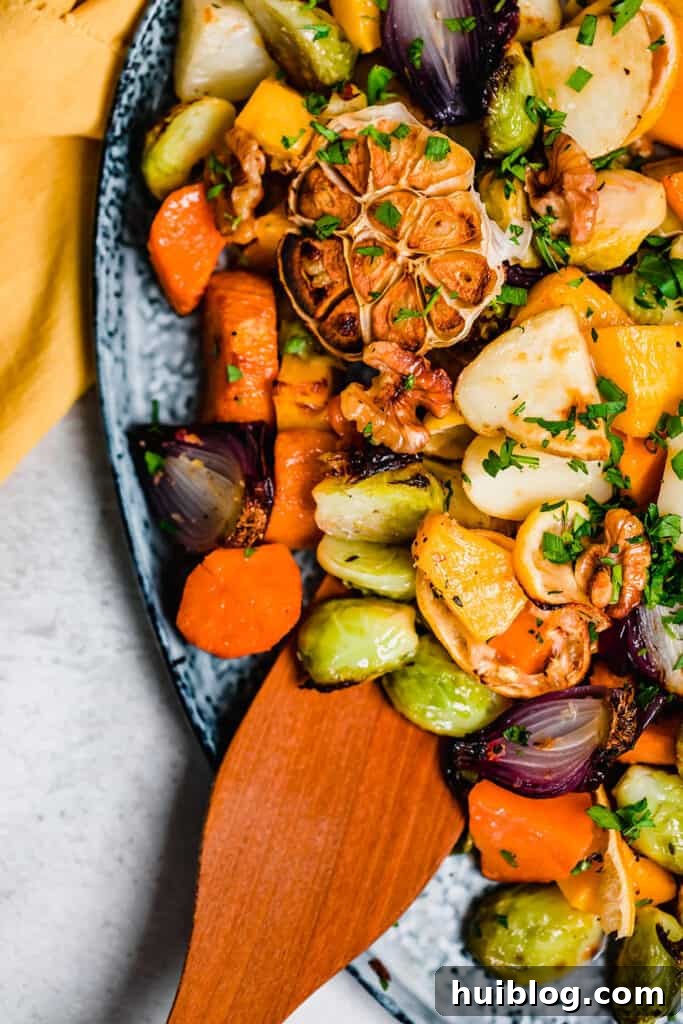
Creative Variations and Customizations
This recipe provides a fantastic foundation, but don’t hesitate to make it your own! Here are some ideas to spark your culinary creativity:
- Spice It Up: Add a pinch of red pepper flakes for a subtle kick, or experiment with smoked paprika, cumin, or coriander for a more exotic flavor profile. A dash of curry powder can also be surprisingly delicious.
- Sweet Touches: For an extra layer of caramelization and sweetness, drizzle a tablespoon or two of maple syrup or honey over the vegetables before roasting. This works exceptionally well with root vegetables like carrots and sweet potatoes.
- Cheesy Goodness: In the last 10 minutes of roasting, sprinkle some grated Parmesan cheese over the vegetables. It will melt and crisp up, adding a savory, umami-rich crust.
- Citrus Swaps: While lemon is classic, try lime or even orange zest for a different citrusy bright note.
- Nutty Alternatives: If walnuts aren’t your favorite, pecans or almonds can be used for a similar crunchy texture and nutty flavor.
- Balsamic Glaze: After roasting, drizzle a balsamic glaze over the finished vegetables for a tangy, sweet, and slightly acidic finish that enhances their roasted flavors.
Common Questions About Roasting Vegetables
Here are answers to some frequently asked questions to help you perfect your roasted vegetable game:
- Can I use frozen vegetables for roasting? Yes, you can! However, it’s best to thaw them completely and pat them very dry before tossing with oil and seasonings. Roasting frozen vegetables directly can lead to a watery, steamed result rather than crispy edges. Increase roasting time slightly as needed.
- How do I prevent my roasted vegetables from being soggy? The key is high heat and not overcrowding the pan. Ensure your oven is fully preheated, and spread the vegetables in a single layer with space around each piece. Any moisture released during cooking needs to evaporate, which won’t happen if the pan is too full.
- What’s the best temperature for roasting vegetables? Generally, a high temperature between 400°F (200°C) and 450°F (230°C) is ideal for achieving good caramelization and tender interiors. Lower temperatures tend to steam the vegetables, while too high might burn them before they cook through.
- Should I peel all my vegetables before roasting? It depends on the vegetable. Thin-skinned vegetables like baby potatoes, carrots, and sweet potatoes can often be roasted with their skins on for extra nutrients and rustic charm, just make sure to scrub them well. Butternut squash and tougher-skinned root vegetables are usually best peeled.
Storing and Reheating Your Delicious Leftovers
One of the many advantages of roasted vegetables is that they make excellent leftovers, perfect for meal prepping or quick subsequent meals.
- To Refrigerate: Allow any leftover roasted vegetables to cool completely to room temperature. Transfer them to an airtight container and store in the refrigerator. They will remain fresh and delicious for up to four days.
- To Reheat: For best results and to regain some of their original crispness, avoid reheating in the microwave, which can make them soggy. Instead, spread the leftovers in a single layer on a baking sheet. Reheat in a preheated oven at 400°F (200°C) for about 10-15 minutes, or until thoroughly heated through and slightly re-crisped. You can also quickly reheat them in an air fryer for a similar effect.
EASY ROASTED VEGETABLES
Ingredients
- 3 tablespoons olive oil
- 1 teaspoon salt
- 1/2 teaspoon cracked black pepper
- Zest of 1 lemon
- 3 sprigs thyme
- 1 pound brussel sprouts,, trimmed and halved
- 2 garlic heads,, halved
- 1 pound butternut squash,, peeled and cubed
- 3 medium potatoes,, peeled and quartered
- 4 baby red onions,, halved
- 1 pound sweet potato,, peeled and cubed
- 1/2 lemon,, thinly sliced
- 1/2 cup walnuts
- Chopped fresh parsley and chives and 2 tablespoons lemon juice,, for garnish
Instructions
-
Preheat oven to 450°F.
-
In a small bowl, combine the olive oil, salt, pepper, and lemon zest.
-
Place the brussels sprouts, butternut squash, potatoes, red onion, garlic, walnuts, and sweet potatoes in a large bowl and pour over the oil mixture.
-
Combine until well coated.
-
Spread the vegetables over a foil-lined baking sheet and top with thyme sprigs and lemon slices.
-
Bake for 35 to 40 minutes, gently stirring halfway through cooking time.
-
Once vegetables are golden and tender, remove from oven and toss in lemon juice.
-
Garnish with fresh chopped parsley and chives before serving.
Nutrition
Nutritional info is an estimate and provided as courtesy. Values may vary according to the ingredients and tools used. Please use your preferred nutritional calculator for more detailed info.