
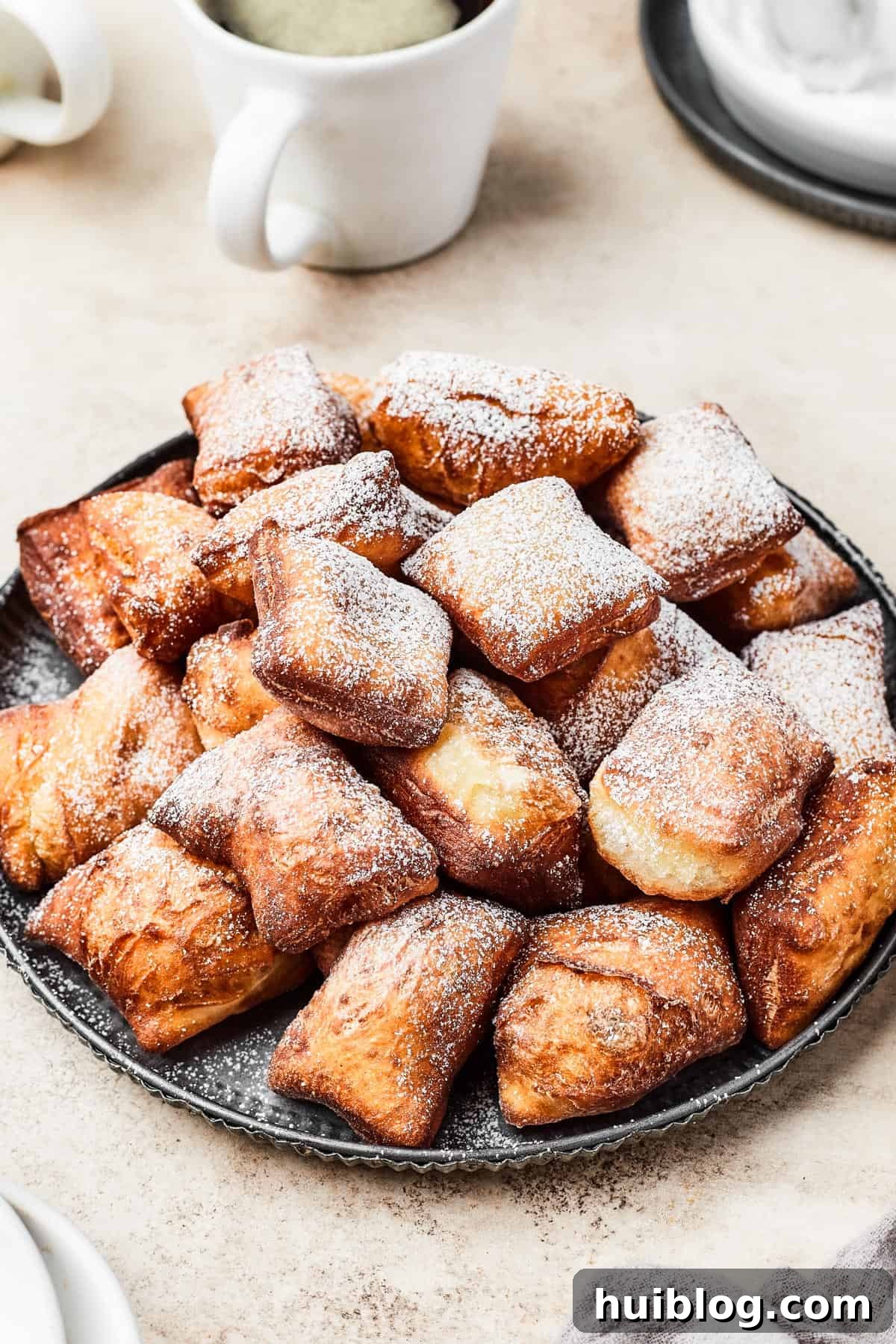
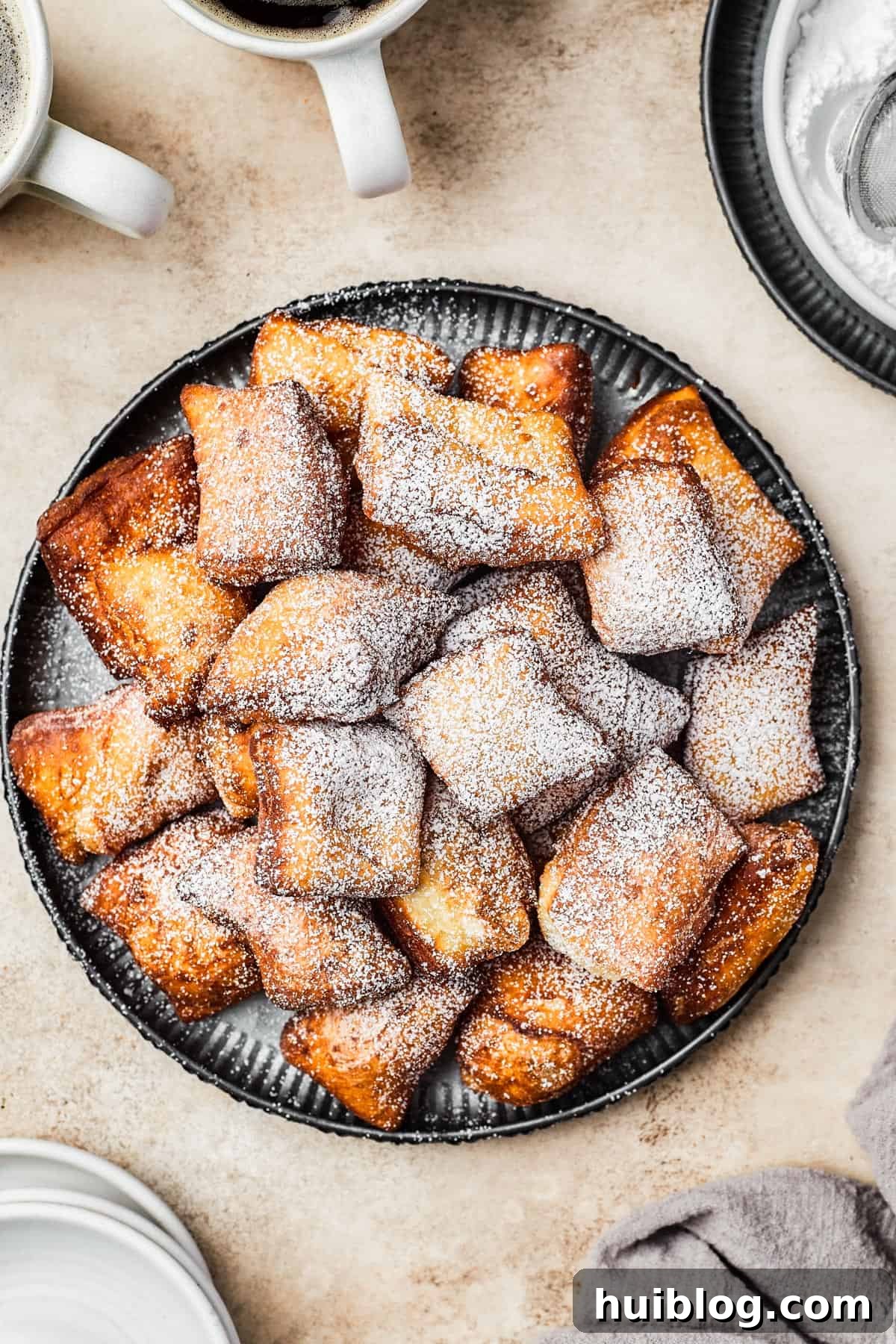
Welcome to the delightful world of New Orleans-style Beignets! Imagine sinking your teeth into a cloud-like, warm pastry, lightly dusted with a generous blanket of powdered sugar. These iconic treats, renowned for their soft, pillowy texture and subtly sweet flavor, are surprisingly simple to recreate right in your own kitchen. Forget crowded cafes; with this authentic recipe, you can bring the magic and charm of a true New Orleans morning directly to your home. Get ready to impress your family and friends with these irresistible, homemade fried delights!
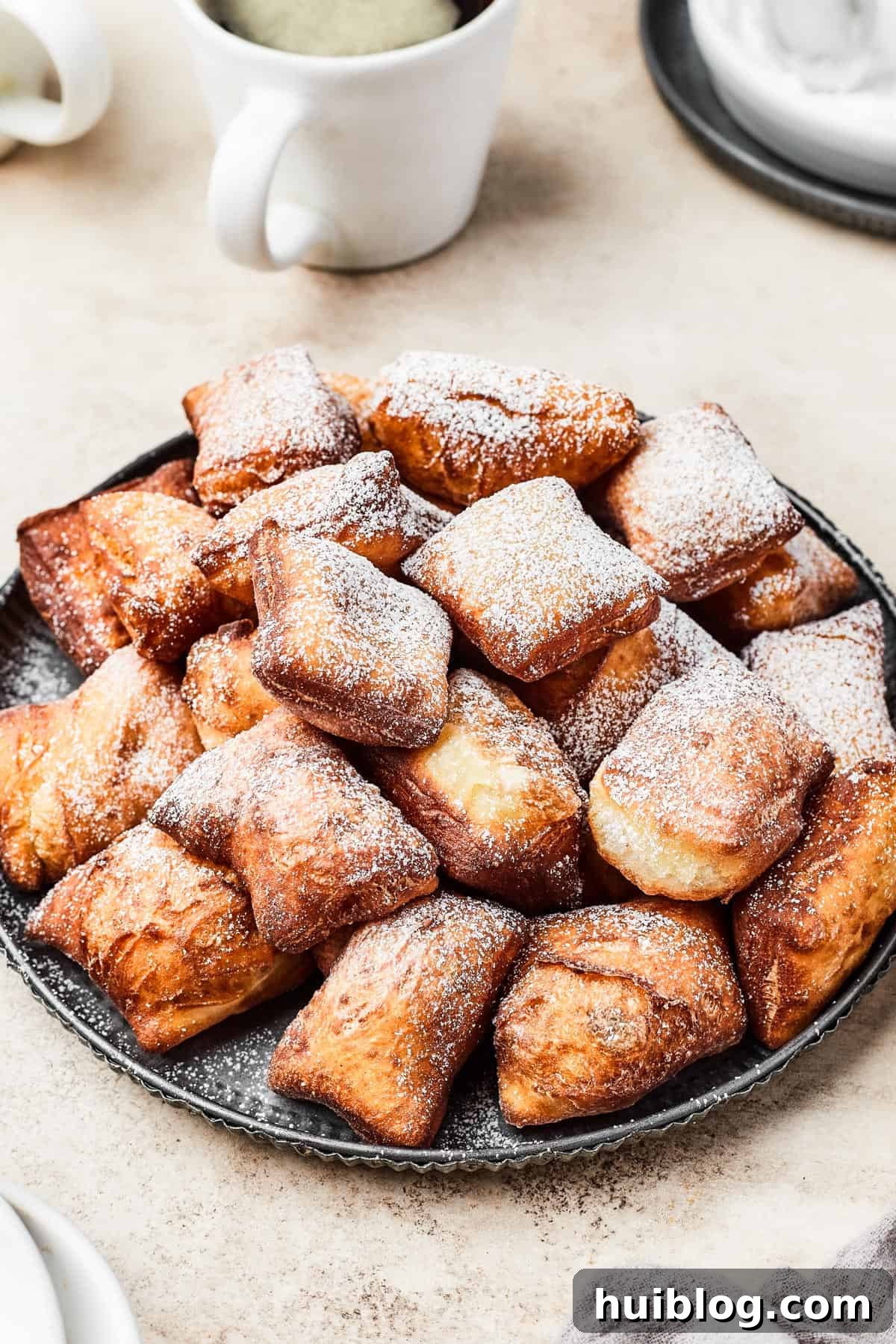
The Irresistible Allure of Homemade New Orleans Beignets
Beignets are much more than just a pastry; they are a culinary cornerstone of New Orleans, embodying a rich history and a vibrant culture. These fluffy, light squares of fried dough bear a close resemblance to classic doughnuts, yet possess their own unique character. Their fame largely stems from the legendary Café Du Monde, a historic landmark that has been serving these delectable treats alongside its famous café au lait since 1862. For over a century and a half, visitors and locals alike have flocked to this iconic establishment to experience the simple pleasure of a hot beignet. When a snack holds such enduring appeal, you know it’s truly something special.
The good news for home bakers is that the addictive deliciousness of beignets is matched by their surprising ease of preparation. This recipe utilizes a straightforward list of common ingredients and simple, clear instructions, making it an ideal project even for beginner bakers. You don’t need to be a pastry chef to achieve perfectly golden, airy beignets that will delight everyone who tastes them. Prepare for rave reviews and requests for more – your homemade beignets are destined to become a new family favorite!
Beignet vs. Donut: Understanding the Delicious Differences
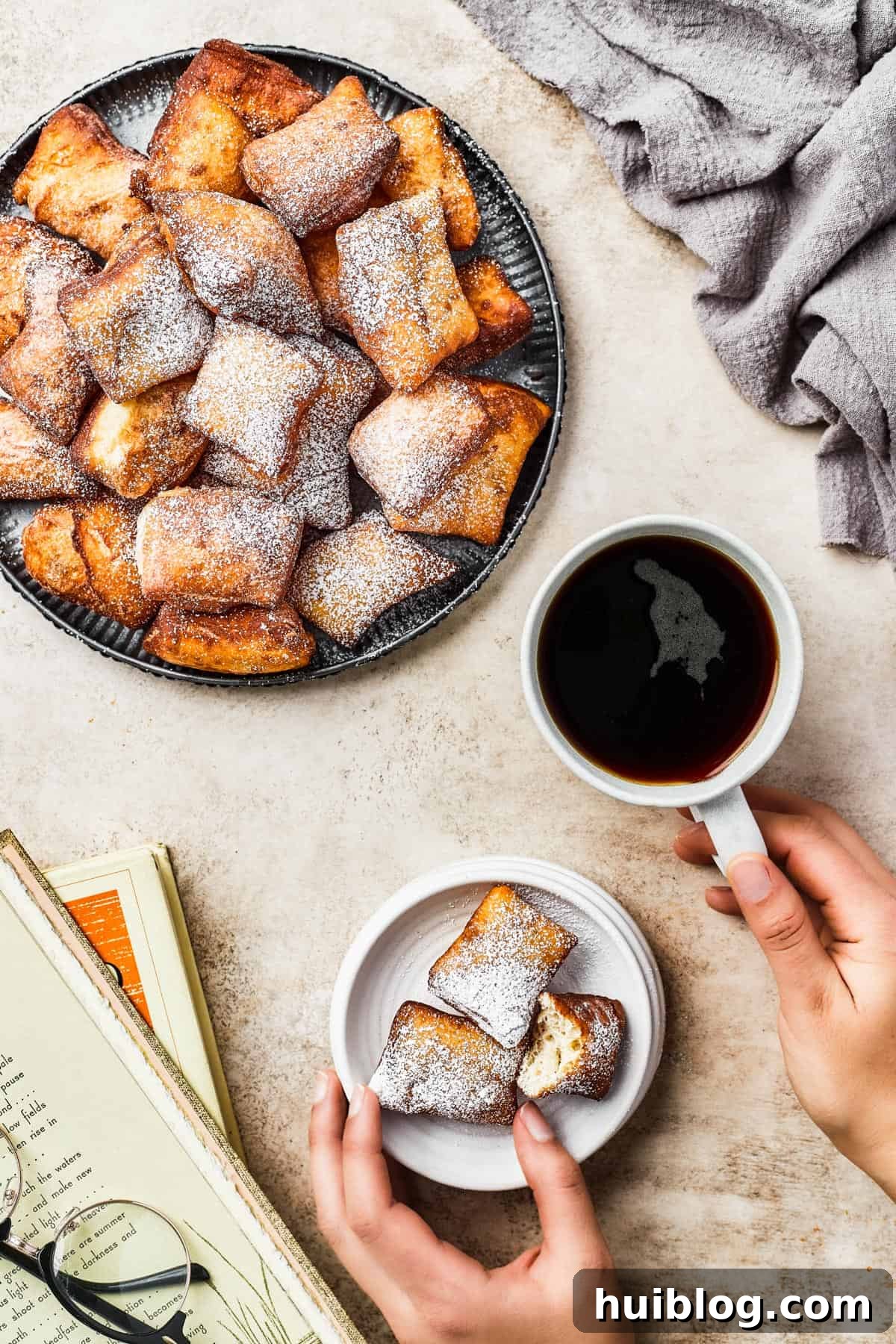
While often grouped with doughnuts due to their fried and sweetened nature, beignets and doughnuts possess distinct characteristics that set them apart. Understanding these differences enhances appreciation for both beloved pastries.
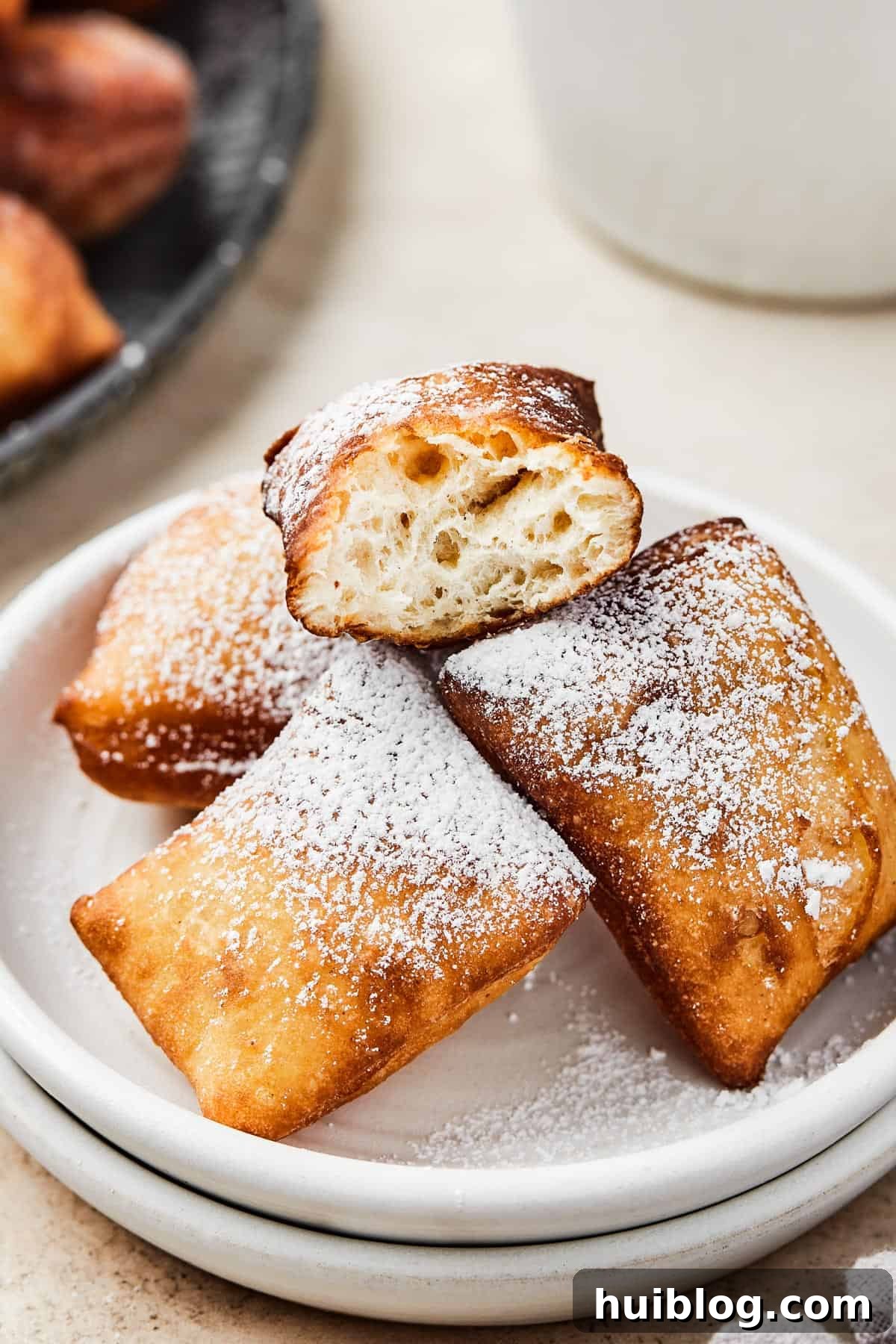
The most obvious visual distinction is the shape: traditional beignets are square or rectangular and famously have no hole in the middle, unlike the classic ring doughnut. Although some doughnuts are filled and therefore lack a hole, beignets are typically unfilled. Instead, their interior often reveals a delightful, slightly hollow pocket, a testament to their light and airy texture achieved through proper frying.
Beyond appearance, the composition of the dough plays a crucial role. Beignets generally contain fewer eggs than many doughnut recipes, contributing to their signature lightness and fluffiness. This difference in egg content results in a pastry that feels less dense and more ethereal, almost melting in your mouth. Doughnuts often have a richer, chewier crumb, while beignets prioritize an unparalleled airiness. These subtle but significant differences give each pastry its unique charm and a special place in the world of fried dough.
Why Choose Homemade Beignets?
Opting to make beignets at home offers a multitude of benefits that elevate the culinary experience. Firstly, there’s the unparalleled freshness. Nothing compares to a beignet served warm, straight from the fryer, with the powdered sugar still clinging to its crisp exterior. The aroma alone is enough to transport you!
Secondly, homemade means full control over ingredients. You can select high-quality butter, fresh yeast, and your preferred type of frying oil, ensuring a superior taste and texture. It also allows for dietary adjustments if needed. Thirdly, the process itself is incredibly rewarding. From activating the yeast and watching the dough rise to the mesmerizing sight of the beignets puffing up in the hot oil, each step is a mini-celebration of baking. It’s a fantastic activity for a weekend morning, a special brunch, or simply a fun way to create lasting memories in the kitchen. Plus, you get to skip the lines at popular beignet spots and enjoy them whenever the craving strikes!
Mastering the Ingredients: What You’ll Need for Perfect Beignets
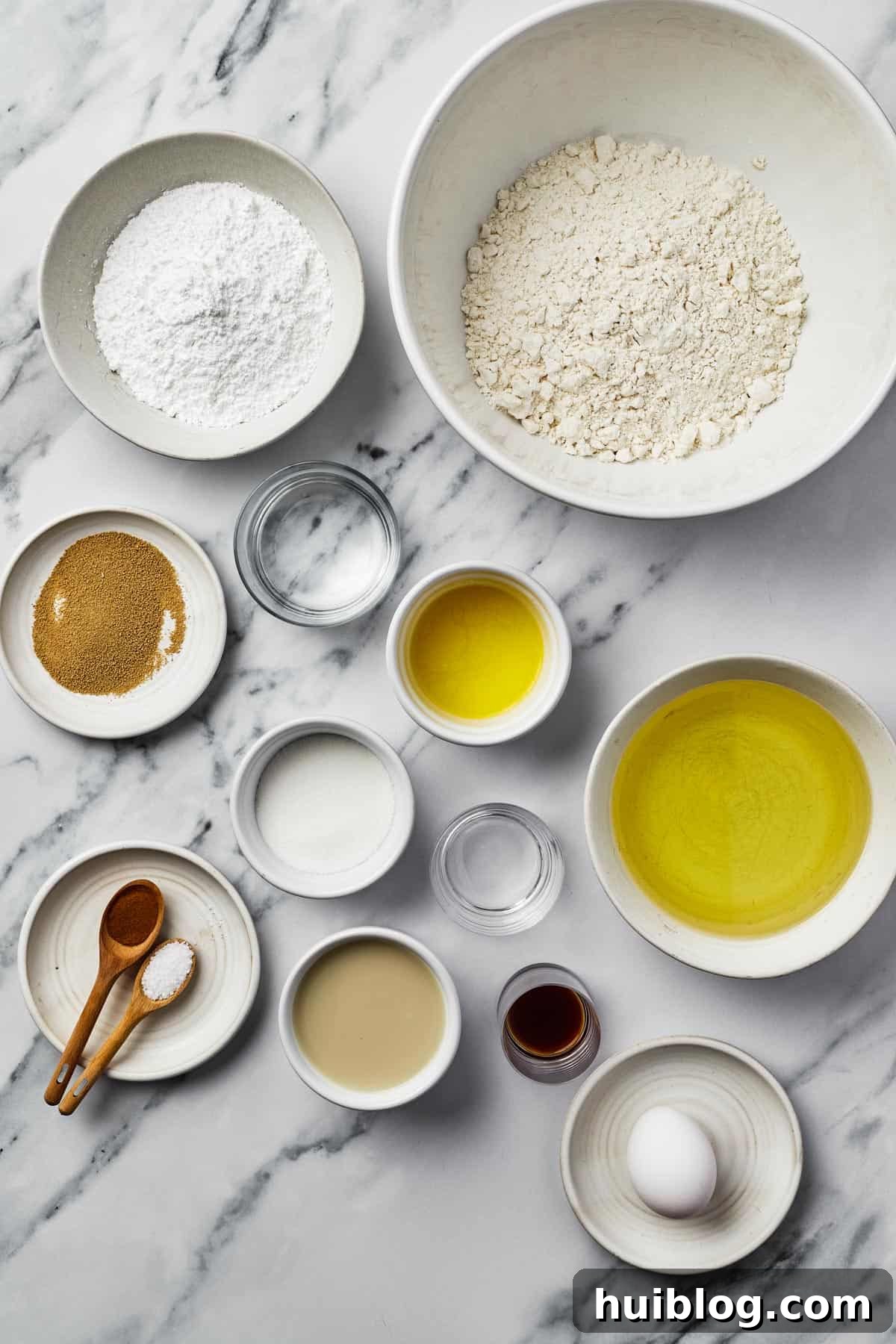
Creating these delightful fried beignets requires only a handful of pantry staples, but paying attention to the details of each ingredient can make all the difference in achieving that authentic New Orleans taste and texture. Remember, you’ll also need a generous amount of frying oil. While Café Du Monde famously uses cottonseed oil, any high-heat, neutral-flavored frying oil will work beautifully. Vegetable oil or canola oil are excellent, widely available choices.
- Water: Lukewarm water is essential for activating the yeast. Ensure it’s between 105°F and 115°F (40°C-46°C) – too cold, and the yeast won’t activate; too hot, and it will kill the yeast.
- Yeast: One packet of active dry yeast is the magic ingredient that gives beignets their signature light and airy, fluffy texture. Always check the expiration date to ensure it’s fresh and active.
- Egg: A single whole egg, ideally at room temperature, contributes to the dough’s structure and richness without making it too dense. Room temperature eggs emulsify better with other ingredients.
- Milk: Whole milk is recommended for its ability to moisten the dough and lightly enrich it, leading to a softer, more tender crumb. Skim milk can be used, but may result in a slightly less rich texture.
- Sugar: Granulated sugar sweetens the dough, providing just the right balance. For the iconic finish, you’ll need a generous supply of powdered sugar for dusting the warm beignets before serving.
- Vinegar: A small but mighty amount of vinegar serves multiple purposes. It subtly balances the sweetness, tenderizes the dough, and can even enhance the leavening process, contributing to a better overall taste and texture. White vinegar is common, but apple cider vinegar offers a slightly fruitier note, and rice vinegar provides a milder acidity.
- Vanilla: Pure vanilla extract is key for imparting a warm, aromatic flavor that complements the sweetness of the beignets beautifully. Avoid imitation vanilla for the best results.
- Salt: Kosher salt is preferred for its clean taste and coarser crystals, which are easy to measure. Regular table salt can be used, but adjust the quantity slightly as it’s finer and more concentrated. Salt enhances flavor and controls yeast activity.
- Cinnamon: A touch of ground cinnamon adds a wonderful warmth and subtle spice, elevating the flavor profile of these fried treats without overpowering them. It’s a classic pairing with sweet fried dough.
- Flour: All-purpose flour is perfectly suited for beignet dough, providing the right balance of gluten development for elasticity and tenderness.
- Butter: A small amount of unsalted butter, melted and cooled slightly, adds richness and a tenderizing effect to the dough. If using salted butter, you may want to slightly reduce the amount of added kosher salt.
- Oil: Choose a neutral-flavored oil with a high smoke point for frying, such as canola, vegetable, or peanut oil. You’ll need enough to submerge the beignets, typically 3-4 cups, depending on your pan size.
Your Step-by-Step Guide to Making Irresistible Beignets
Making beignets is a rewarding process that requires a bit of time, primarily for the dough to rise. It’s best to set aside ample time and read through these instructions a few times before you begin to familiarize yourself with each step. Patience is key to achieving that perfect airy texture!
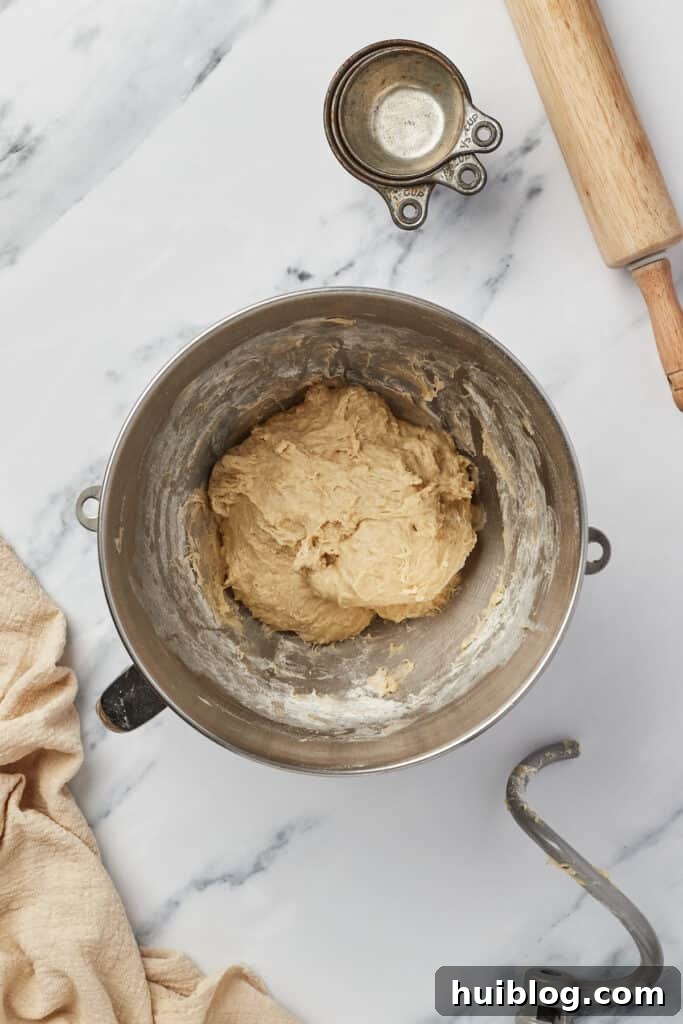
- Activate the Yeast and Form the Dough: Begin by whisking together the warm water and active dry yeast in the bowl of a stand mixer. Let this mixture rest for about 5 minutes until it becomes foamy, indicating the yeast is active and alive. Next, add the egg, milk, granulated sugar, vinegar, vanilla extract, kosher salt, and cinnamon to the bowl. Whisk these ingredients on low speed until they are thoroughly combined. Switch to the dough hook attachment and gradually add in the all-purpose flour. Mix on low speed until the dough comes together, becoming smooth and elastic. It should form a soft ball, which may still feel slightly sticky to the touch. If the dough appears too wet or unmanageable, you can incorporate an additional tablespoon or two of flour, adding it one spoonful at a time until the desired consistency is reached. Finally, pour in the melted butter and continue mixing on low speed until it is fully absorbed into the dough.
- Allow the Dough to Rise: Once the dough is prepared, cover the bowl tightly with plastic wrap or a clean kitchen towel. Place the covered bowl in a warm environment, free from drafts, and let the dough rise for a significant period of 4 to 6 hours, or until it has visibly doubled in size. This slow rise is crucial for developing flavor and achieving the characteristic light texture of beignets.
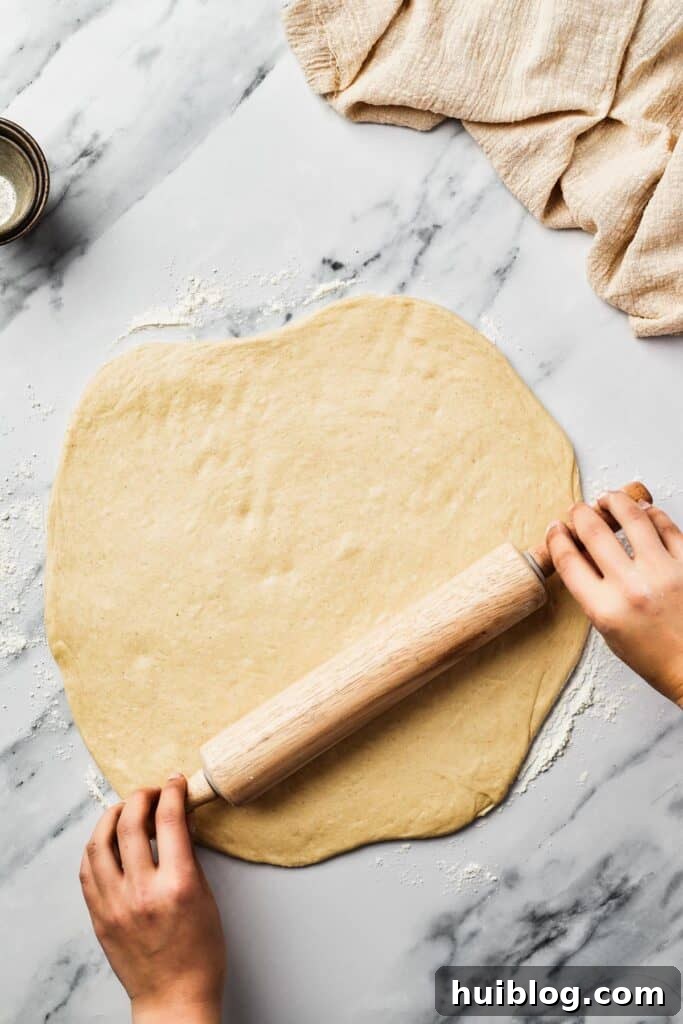
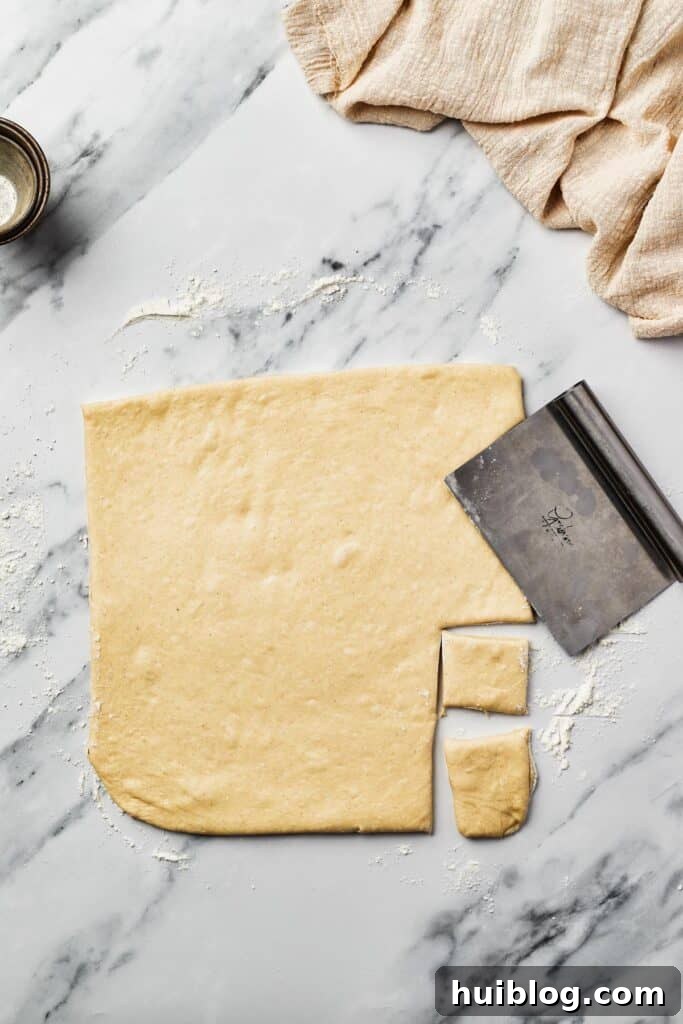
- Prepare for Frying: When the dough has finished rising, heat several inches (about 2-3 inches) of your chosen cooking oil in a large, deep skillet or a Dutch oven over medium-high heat. Use a kitchen thermometer to monitor the oil temperature, aiming for a precise 350°F (175°C). This typically takes about 5-10 minutes. While the oil heats, lightly flour a clean work surface and gently roll out the risen dough into a rectangular shape, aiming for a uniform thickness of approximately ¼ inch. Using a sharp knife or a pizza cutter, slice the dough into 2-inch by 2-inch squares.
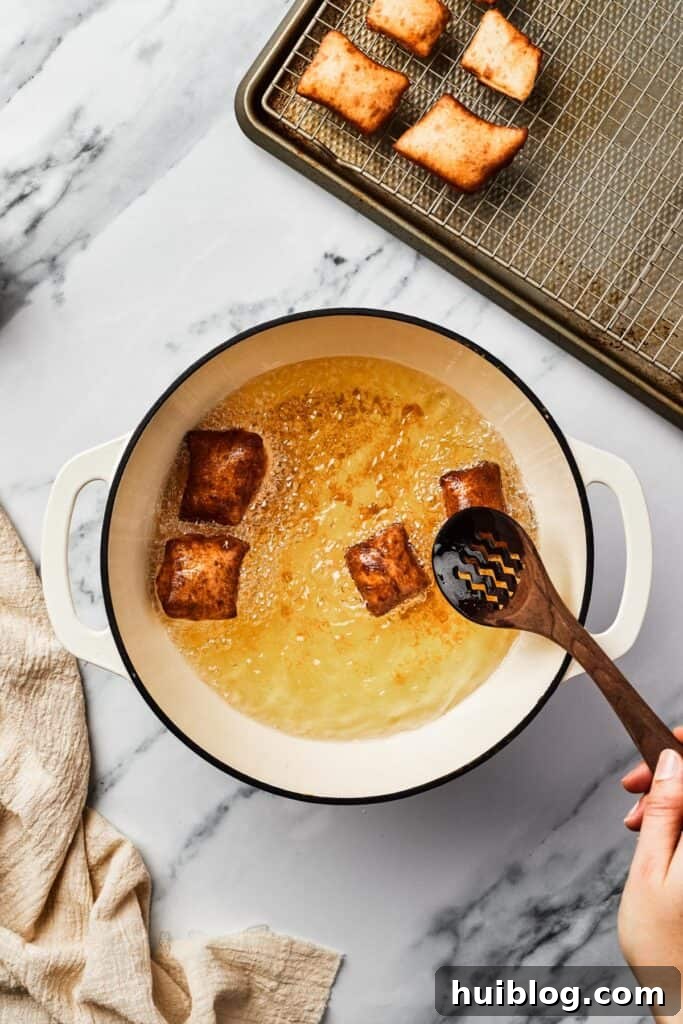
- Fry the Beignets to Golden Perfection: Carefully add the cut beignet squares to the hot oil, frying them in small batches of about 3 to 4 at a time to avoid overcrowding the pan, which can lower the oil temperature. Use a clean, dry slotted spoon for this step. As soon as the beignets rise to the surface of the oil and puff up, immediately flip them over. Continue frying until both sides are beautifully golden brown, a process that usually takes only about 30 seconds to 1 minute per side.
- Cool and Serve: Once the beignets are perfectly fried, use your slotted spoon or a spider spoon to carefully lift them out of the hot oil. Transfer them to a wire rack placed over a sheet pan (to catch any excess oil) to cool slightly. As soon as they are cool enough to handle but still warm, generously dust them with powdered sugar. Serve your homemade beignets warm, ideally with a cup of coffee or café au lait, and enjoy the pure taste of New Orleans!
Helpful Tips and Tricks for Beignet Perfection
While making beignets is straightforward, a few key techniques and considerations can elevate your results from good to absolutely fantastic. These tips will help you navigate common challenges and achieve truly exceptional beignets every time.
- Avoid Overmixing the Dough: Once the flour is added, mix the dough just until it’s smooth and elastic. Overmixing can overdevelop the gluten, resulting in a tough, chewy beignet rather than the desired light and fluffy texture. A slightly sticky dough is often a good sign; resist the urge to add too much extra flour.
- Maintain Optimal Oil Temperature: This is arguably the most crucial factor for perfect beignets. If the oil is too hot, the beignets will brown too quickly on the outside, leaving them raw or undercooked in the center. Conversely, if the oil isn’t hot enough, the beignets will absorb too much oil, becoming greasy and heavy rather than light and puffy. Use a reliable kitchen thermometer to keep the oil consistently at 350°F (175°C). Adjust the heat as needed between batches.
- Ensure Yeast Activity: The yeast is responsible for the beignets’ airy structure. When you mix warm water and yeast, let it sit for a few minutes. You should see a foamy layer form on the surface; this “proof” confirms the yeast is active. If your yeast mixture doesn’t foam, it’s likely inactive, and you’ll need to start over with fresh yeast. Using inactive yeast will result in a dense, flat dough that won’t rise properly.
- Don’t Overcrowd the Pan: Frying too many beignets at once will significantly drop the oil temperature, leading to greasy, poorly cooked pastries. Fry in small batches (3-4 at a time) to maintain consistent oil temperature and ensure even cooking and browning.
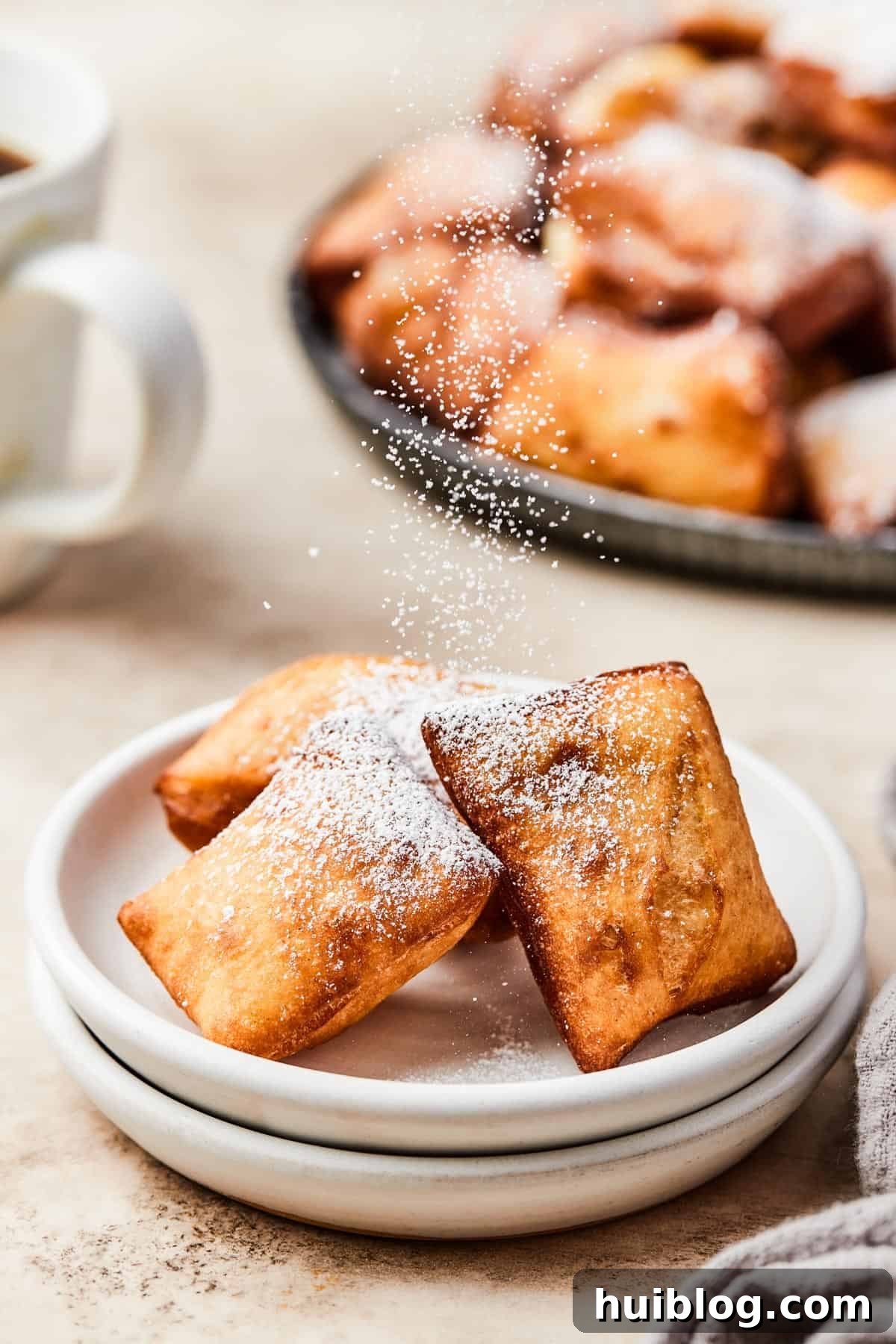
- Dust While Warm: The best time to dust your beignets with powdered sugar is when they are still warm, but not piping hot. The warmth helps the sugar adhere and slightly melt into a delicate glaze, creating that iconic look and taste.
Tasty Variations and Serving Suggestions
While classic beignets, simply dusted with powdered sugar, are a masterpiece on their own, there are many ways to customize and enhance these delightful treats. Feel free to experiment and make them your own!
- Creative Shapes: For a playful twist, try cutting your dough into different shapes beyond the traditional squares. Diamonds, hearts, or even small ovals can add a fun touch. Just be mindful that as they fry and puff up, their initial precise shape might transform a bit. Kids especially love uniquely shaped beignets!
- Exciting Toppings: Beyond the classic powdered sugar, the topping possibilities are endless. Drizzle warm melted chocolate or a rich caramel sauce over your beignets for an indulgent treat. A sweet lemon glaze can add a bright, zesty contrast, while maple syrup offers a comforting, rustic sweetness. You could also try a simple vanilla icing or even a fruit compote for a different flavor dimension.
- Flavorful Extracts: Infuse the dough itself with different aromas by adding alternative extracts. Maple extract can give your beignets a cozy, autumnal feel, while almond extract provides a sophisticated, nutty undertone. Orange extract offers a bright, citrusy note that pairs wonderfully with the sweet fried dough. Start with ½ to 1 teaspoon and adjust to your preference.
- Spice It Up: Don’t be afraid to play with other spices in the dough. A pinch of nutmeg, a dash of cardamom, or even a very subtle touch of cayenne pepper (for a true New Orleans kick!) can add unexpected depth.
Perfect Pairings
No beignet experience is complete without the right accompaniment. Traditionally, beignets are served with a hot cup of café au lait, a coffee and chicory blend mixed with steamed milk. This pairing is iconic for a reason – the rich, slightly bitter coffee perfectly cuts through the sweetness of the pastry. Other wonderful companions include hot chocolate, especially on a chilly day, or a refreshing glass of milk. For a more decadent dessert, serve them alongside a scoop of vanilla ice cream or a bowl of fresh berries.
Storing, Reheating, and Freezing Your Homemade Beignets
While beignets are undeniably best enjoyed fresh and warm, you might find yourself with leftovers, or perhaps you want to get a head start on baking. Here’s how to properly store, reheat, and even freeze your homemade beignets and dough to enjoy them later.
- To Store Cooked Beignets: Once cooled completely, place your beignets in an airtight container. They will remain soft and delicious at room temperature for up to 1 day. Beyond that, they tend to lose their fresh texture. Avoid refrigerating cooked beignets as it can dry them out.
- To Reheat Cooked Beignets: The best way to revive day-old beignets is by warming them gently. You can place them in a microwave for just a few seconds (5-10 seconds per beignet) until heated through, but be careful not to overheat, which can make them tough. Alternatively, for a slightly crispier exterior, warm them in a preheated 350°F (175°C) oven for 5-7 minutes. After reheating, a fresh dusting of powdered sugar is highly recommended!
- To Store Raw Dough: If you’re preparing the dough ahead of time, you can store the raw beignet dough in an airtight container in the refrigerator for up to 4 days. This allows you to roll and fry fresh beignets on demand. Just remember to let the dough come to room temperature for about 30-60 minutes before rolling and frying, as cold dough will be stiff and harder to work with.
Can I Freeze Homemade Beignets (and Dough)? Absolutely!
Freezing is a fantastic option for extending the life of your beignets, whether cooked or as raw dough. It’s perfect for meal prep or ensuring you always have a quick batch of these delightful treats on hand.
- Freezing Cooked Beignets: First, ensure your fried beignets are completely cool. Then, arrange them in a single layer on a baking sheet and flash freeze them for about an hour, until firm. This prevents them from sticking together. Once firm, transfer the frozen beignets to an airtight freezer bag or container, removing as much air as possible. They will keep well in the freezer for 1 to 2 months. To reheat, simply follow the reheating instructions above, adding a few extra minutes to the oven time since they are frozen.
- Freezing Raw Dough: If you want to freeze the unbaked dough, after its initial rise, punch it down gently and shape it into a disc. Wrap the dough tightly in plastic wrap, then place it in an airtight freezer bag or container. This raw dough can be frozen for up to 3 months. When you’re ready to use it, transfer the frozen dough to the refrigerator the night before to thaw slowly. The next day, let it come to room temperature for about an hour before rolling and frying as per the recipe instructions. This is a great way to prepare ahead for a special occasion!
Recipe: Homemade New Orleans Beignets

Beignets
by Katerina | Easy Weeknight Recipes
New Orleans Style Beignets are soft, delicious, pillowy fried doughnuts that are lightly sweet and super simple to make at home!
- Prep Time: 15 minutes
- Cook Time: 20 minutes
- Rising Time: 4 hours
- Total Time: 4 hours 35 minutes
- Servings: 20 Beignets
Ingredients
- ½ cup warm water (the warm water temperature should be about 105˚F to 110°F for proofing)
- 2 ¼ teaspoons (1 packet) active dry yeast
- 1 whole egg
- ½ cup milk
- ⅓ cup granulated sugar
- 1 teaspoon white vinegar
- 1 teaspoon pure vanilla extract
- ½ teaspoon kosher salt
- ½ teaspoon cinnamon
- 3 ¾ cups all purpose flour
- 2 tablespoons unsalted butter, melted
- 3-4 cups canola oil, for frying
Instructions
- In a stand mixer, whisk together water and yeast. Let sit for 5 minutes.
- Add egg, milk, sugar, vinegar, vanilla, salt, and cinnamon. Whisk on low until combined.
- Switch to the dough hook attachment and add in flour. Knead on low speed until the dough is smooth and elastic. It should form a ball, but still be slightly sticky and soft. Mix in 1 to 2 tablespoons of flour at a time IF the dough is too wet to handle.
- Last, add in the melted butter and mix on low until fully incorporated.
- Cover the dough and let rise in a warm environment for 4 to 6 hours, or until doubled in size.
- Heat 2 inches of canola oil over medium-high heat in a large skillet or dutch oven. Allow the oil to heat to 350 degrees Fahrenheit, this should take about 5 to 10 minutes.
- Meanwhile, place dough on a floured surface and roll it out into a rectangle, about ¼ inch thick. Cut into 2-inch by 2-inch squares.
- Carefully add the beignets to the oil, frying about 3 to 4 at a time. As soon as they rise to the oil surface and puff up, flip them over. Fry until golden brown on both sides, about 30 seconds to 1 minute. Transfer beignets to a wire rack to cool.
- Dust beignets with powdered sugar and serve warm.
Nutrition
Calories: 414kcal | Carbohydrates: 22g | Protein: 3g | Fat: 35g | Saturated Fat: 3g | Polyunsaturated Fat: 10g | Monounsaturated Fat: 22g | Trans Fat: 1g | Cholesterol: 4mg | Sodium: 62mg | Potassium: 48mg | Fiber: 1g | Sugar: 4g | Vitamin A: 45IU | Vitamin C: 1mg | Calcium: 13mg | Iron: 1mg
Nutritional info is an estimate and provided as courtesy. Values may vary according to the ingredients and tools used. Please use your preferred nutritional calculator for more detailed info.
More Sweet Dessert Recipes to Explore
- Fluffy Homemade Blueberry Scones
- Easy & Fun Cake Pops Recipe
- Zesty Homemade Lemon Bars