
Homemade Lemon Curd: Your Guide to a Zesty, Creamy Delight
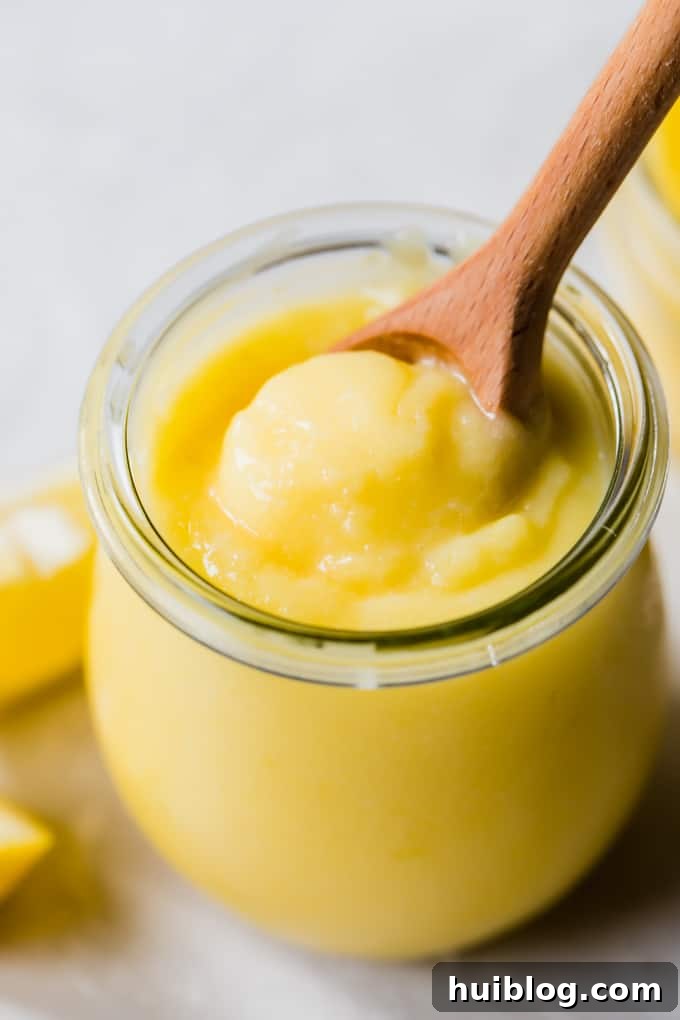
Prepare to tantalize your taste buds with the brightest, silkiest, and most irresistibly **tart homemade lemon curd** you’ve ever tasted! This vibrant dessert spread is an absolute game-changer for any lemon enthusiast, offering a delightful balance of sweet and tangy flavors. Forget store-bought versions; our **easy lemon curd recipe** yields a superior product that’s wonderfully smooth and bursting with the freshness of real lemons. It’s incredibly versatile, perfect for spreading onto your favorite scones, muffins, or slices of artisan bread, or elevating any dessert as a luxurious filling. Get ready to embark on a simple culinary journey that promises impressive results.
What Exactly is Lemon Curd?
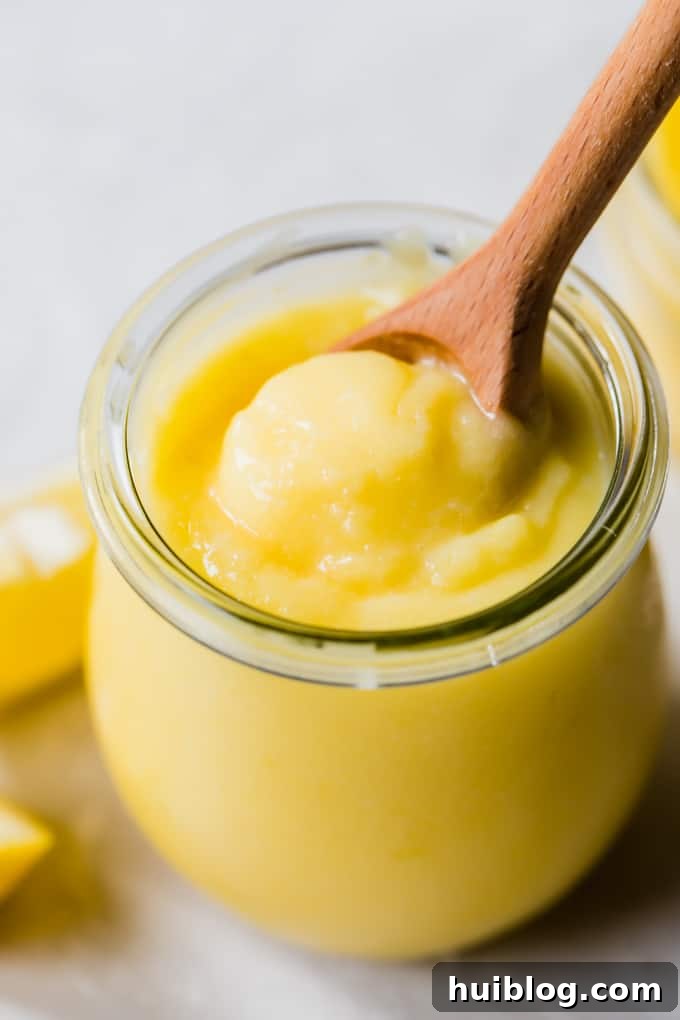
Lemon curd is a velvety smooth, intensely lemon-flavored dessert spread that sits deliciously somewhere between a jam and a custard. Unlike a traditional fruit jam that relies on whole fruit and pectin, lemon curd is typically made with eggs, sugar, fresh lemon juice, lemon zest, and butter. This combination gives it a unique, rich texture and a distinctively sharp, sweet, and buttery taste that sets it apart.
Originating in England in the late 19th and early 20th centuries, lemon curd was traditionally served with bread or scones at afternoon tea. Today, its popularity has spread worldwide, gracing everything from delicate pastries to hearty breakfast items. Its bright yellow hue and captivating aroma make it a delightful addition to any culinary creation.
Our **best lemon curd recipe** stands out for several reasons:
- Effortlessly Simple: Despite its gourmet appeal, this recipe requires minimal ingredients and straightforward steps, making it accessible even for novice bakers. You’ll be amazed at how quickly you can create such a sophisticated spread.
- Perfectly Tart: We harness the power of fresh lemon juice and vibrant lemon zest to ensure every spoonful delivers an invigorating burst of citrus flavor. It’s tart enough to awaken your palate but beautifully balanced by sweetness.
- Sweet & Versatile: The sweetness is carefully calibrated to complement the lemon’s tang, making it ideal for a myriad of applications. Whether you’re topping a light dessert or filling a rich pastry, its balanced flavor shines through.
- Luxuriously Buttery Smooth: Thanks to our gentle cooking method, this curd achieves an unparalleled smooth and creamy consistency. The addition of butter at the end melts into the warm mixture, imparting a rich, luscious mouthfeel that is simply divine.
Why Choose Homemade Lemon Curd?
While store shelves offer various lemon curds, making your own at home provides undeniable advantages. The most significant benefit is the unparalleled freshness and vibrant flavor. Commercial versions often use artificial flavors or concentrated juices, resulting in a muted taste compared to the bright, zesty notes you get from fresh lemons.
Moreover, homemade lemon curd allows you to control the quality of ingredients, opting for organic lemons and high-quality butter. You also get to tailor the sweetness and tartness to your personal preference. There are no mysterious additives, preservatives, or artificial colors – just pure, wholesome ingredients coming together to create a truly superior product. The aroma that fills your kitchen as it cooks is an added bonus, a promise of the deliciousness to come.
Crafting Your Homemade Lemon Curd: A Step-by-Step Overview
The process of making this delightful **creamy lemon filling** is surprisingly simple and deeply satisfying. Here’s a quick overview of the essential steps involved in creating your own batch of sunshine:
- Prepare Your Double Boiler: The secret to silky smooth lemon curd lies in gentle, indirect heat. We’ll show you how to set up a double boiler effortlessly, ensuring your eggs cook perfectly without scrambling. This method is fundamental for achieving that coveted smooth consistency.
- Combine and Cook: Whisk together eggs, granulated sugar, fresh lemon zest, and lemon juice in the top bowl of your double boiler. Continuous and patient whisking is absolutely key here to achieve a homogeneous mixture that thickens beautifully to the right consistency.
- Enrich with Butter: Once the mixture reaches its desired thickness and coats the back of a spoon, remove it from the heat. Gently stir in cold, diced unsalted butter. The residual heat will melt the butter, seamlessly incorporating it into the curd, making it incredibly smooth, rich, and glossy.
- Chill to Perfection: Transfer your glorious lemon curd into a clean, airtight storage container, such as a glass jar with a tight-fitting lid. Seal it tightly and allow it to chill thoroughly in the refrigerator for at least an hour. Lemon curd is always best served cold, where its vibrant flavors fully meld and its texture firms up to a perfect spreadable consistency.
Each step is designed to contribute to the impeccable texture and flavor of your finished curd, making it a joy to prepare and an even greater joy to consume!
Understanding and Utilizing a Double Boiler
The double boiler method is crucial for making the **best homemade lemon curd**, ensuring a flawless, smooth texture every time. If you’re lucky enough to own a dedicated double boiler, this step is straightforward. However, if you don’t, creating your own is incredibly easy using items you likely already have in your kitchen.
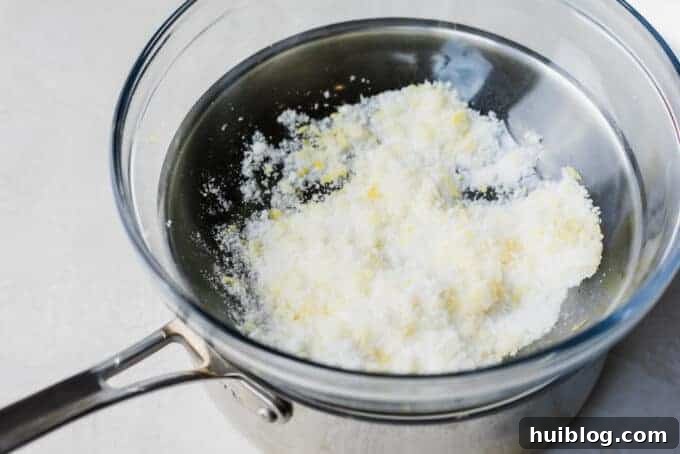
To construct a makeshift double boiler, simply fill a medium saucepan with about an inch or two of water. Then, select a heat-safe bowl (such as glass, stainless steel, porcelain, or ceramic) that fits snugly over the saucepan, ensuring its bottom does not touch the water. It’s important to avoid aluminum bowls, as aluminum can react with the acidic lemon juice and impart an undesirable metallic taste to your delicate curd. The goal is for the steam, not direct contact with water, to heat the upper bowl.
Bring the water in the saucepan to a gentle simmer – not a vigorous, rolling boil that could cause splashing. Once simmering, carefully place your heat-safe bowl on top of the saucepan. The steam from the simmering water will provide indirect, even, and gentle heat to the ingredients in the upper bowl. This controlled heating environment is vital for several reasons:
- **Prevents Scrambled Eggs:** Eggs are highly sensitive to direct, high heat. A double boiler maintains a consistent temperature around 212°F (100°C, the boiling point of water), which is hot enough to cook the eggs safely and thicken the mixture without causing them to curdle or scramble. This indirect heat prevents the proteins in the eggs from coagulating too quickly, thus preventing lumps and ensuring your curd remains beautifully smooth.
- **Even Cooking:** The steam-heated environment ensures that the entire mixture heats up gradually and evenly, minimizing the risk of hot spots that could burn the curd at the bottom of the bowl. This uniform heating is essential for a consistent, silky texture throughout.
- **Perfect Consistency Control:** This method allows the lemon curd to thicken slowly and steadily, giving you better control over the final consistency. You’ll achieve that desired rich, custard-like texture without worrying about overcooking or achieving a watery result.
Beyond lemon curd, the double boiler is an invaluable tool for melting chocolate, making delicate sauces like hollandaise, or heating other ingredients that are prone to overheating or burning. Mastering this technique will undoubtedly elevate many of your culinary endeavors, proving its worth as a fundamental kitchen skill.
Essential Ingredients for Perfect Lemon Curd
Creating an exceptional **tart lemon spread** starts with choosing high-quality ingredients. Each component plays a vital role in achieving the signature flavor and texture of this classic dessert:
- Fresh Lemons: The undisputed star of the show! Always prioritize using fresh lemons for both the juice and the zest. The zest carries a significant amount of the lemon’s essential oils, providing a concentrated burst of aromatic, complex flavor that cannot be replicated by bottled juice. Meyer lemons can also be used for a slightly sweeter, less acidic curd with a more floral note, offering a delightful variation.
- Granulated Sugar: This provides the necessary sweetness to perfectly balance the vibrant tartness of the lemons and also contributes to the curd’s overall structure and glossy appearance. Feel free to adjust the amount slightly to suit your personal preference for sweetness, keeping in mind the balance is key.
- Large Eggs: Eggs act as both a crucial thickener and a natural emulsifier, giving the curd its rich, creamy texture and helping to bind all the ingredients together into a cohesive, luscious spread. We use whole eggs for their combined richness and body, contributing to the curd’s velvety mouthfeel.
- Unsalted Butter: Added towards the end of the cooking process, butter enriches the curd significantly, making it incredibly smooth, glossy, and adding a luxurious, melt-in-your-mouth sensation. Using unsalted butter is preferred as it allows you to precisely control the overall saltiness of the final product, ensuring the flavors remain clean and bright.
With just these few simple yet powerful ingredients, you’re well on your way to creating a vibrant and delicious lemon curd that will impress everyone with its homemade charm and exceptional taste.
Troubleshooting Common Lemon Curd Problems
Even with the best recipes, sometimes things don’t go exactly as planned. Here are a few common issues you might encounter when making lemon curd and how to fix them, ensuring your efforts result in a perfect batch every time:
- Curd is Too Thin: If, after cooking, your curd isn’t thickening sufficiently to coat the back of a spoon, it likely hasn’t reached a high enough temperature. Continue cooking over the double boiler, whisking constantly, until it visibly thickens. Remember, it will thicken significantly further as it cools and chills in the refrigerator, so don’t overcook it initially. If it’s still too thin after chilling, you can gently reheat it over the double boiler, adding a tiny bit of cornstarch slurry (1 teaspoon cornstarch mixed with 1 teaspoon cold water) and whisking until it reaches the desired consistency.
- Scrambled Eggs/Lumpy Curd: This is almost always a result of too much direct heat or insufficient, inconsistent whisking. Using a double boiler and maintaining constant, steady whisking is your absolute best defense against this. If, despite your best efforts, you end up with small lumps or a slightly grainy texture, don’t despair! Simply pass the warm curd through a fine-mesh sieve (a chintz is ideal) before chilling. This will effectively remove any bits of cooked egg or larger pieces of zest, leaving you with a beautifully smooth and velvety texture.
- Curd is Too Tart or Too Sweet: While this recipe aims for a balanced flavor profile, personal preference varies. For curd that you find too tart, you can try adding a tablespoon of powdered sugar (confectioners’ sugar) at a time to the cooled curd, whisking until dissolved. The powdered sugar dissolves easily and won’t create a gritty texture. If it’s too sweet, a tiny pinch of salt or a small squeeze of additional fresh lemon juice can help cut through the sweetness and brighten the flavor.
Don’t be afraid to experiment and adjust. With a little practice and these handy tips, you’ll master the art of perfect lemon curd, achieving consistent and delicious results every time.
Diverse and Delicious Uses for Lemon Curd
The versatility of **homemade lemon curd** is truly remarkable. Once you’ve made a batch, you’ll find endless ways to incorporate its bright, tangy flavor into both sweet and savory (though predominantly sweet!) dishes. Its vibrant yellow color and irresistible taste make it a true kitchen staple. Here are just a few ideas to inspire your culinary creativity:
- Elevated Breakfast Toppings: Spoon it generously over your favorite breakfast pastries like fluffy pancakes, crispy waffles, warm English scones, or freshly baked muffins. It adds a gourmet, tangy-sweet touch that transforms simple morning treats into something special.
- Classic Dessert Fillings: This is the essential ingredient for that iconic, tangy, and sweet filling in a traditional Lemon Meringue Pie. Its vibrant flavor also makes it an excellent choice for tarts, trifles, individual dessert cups, or even layered parfaits.
- Spectacular Cakes & Cupcakes: Mix lemon curd with freshly whipped cream, rich mascarpone cheese, or creamy cream cheese to create a light, fluffy, and incredibly flavorful lemon filling or frosting for cakes and cupcakes. Imagine the delight of a delicate Lemon Cream Crepe Cake, with layers upon layers of lemon bliss!
- Irresistible Bars & Pastries: Use it as the star filling for treats like classic Lemon Crumble Bars, where its bright flavor perfectly complements a buttery, crumbly crust. It also works beautifully in various pastries such as turnovers, danishes, or even piped inside glazed donuts for a zesty surprise.
- Yogurt & Parfaits: Swirl a spoonful into plain Greek yogurt for a quick, healthy, and incredibly flavorful snack. Layer it with crunchy granola and fresh berries for a refreshing and satisfying parfait that’s perfect any time of day.
- Fruit Accompaniment: Serve it simply alongside a medley of fresh berries (strawberries, raspberries, blueberries) for a simple yet elegant and light dessert. A dollop of whipped cream or a sprinkle of chopped mint turns it into an instant classic.
- Sandwich Cookies & Macarons: Use it as a delightful filling for sandwich cookies, linzer tarts, or delicate French macarons, adding a bright contrast to the sweet cookie.
- Cocktails & Beverages: A small amount of lemon curd can add a wonderful citrusy kick and a hint of sweetness to creative cocktails, mocktails, or even a sophisticated lemonade. Think of it as a flavorful, edible sweetener!
With its vibrant color and irresistible taste, lemon curd is sure to become a beloved staple in your kitchen, adding a burst of sunshine and sophistication to any dish you create.
Storage Solutions for Your Lemon Curd
Proper storage is essential to keep your **tart lemon spread** fresh and delicious, allowing you to enjoy your homemade creation for as long as possible. Fortunately, lemon curd is quite stable and can be stored effectively using a couple of different methods:
- Refrigeration (Short-Term): Once your homemade lemon curd has fully cooled to room temperature, transfer it into an airtight container or a clean glass jar with a tight-fitting lid. For best results and to prevent a skin from forming on top, you can place a piece of plastic wrap directly on the surface of the curd before sealing the container. Store it in the refrigerator, where it will maintain its optimal freshness and vibrant flavor for up to two weeks. Always ensure the container is well-sealed to prevent the curd from absorbing other odors from your fridge.
- Freezing (Long-Term): Yes, lemon curd can be frozen successfully! This is a fantastic option if you’ve made a large batch and want to extend its shelf life, or if you prefer to prepare it ahead of time for future use. After the curd has completely cooled and chilled in the refrigerator, transfer it to a freezer-safe container. Leave a little headspace at the top (about half an inch), as the curd may expand slightly when frozen. It can be safely frozen for up to one year without significant loss of quality.
- Thawing Frozen Curd: To enjoy your frozen lemon curd, simply remove it from the freezer and place it in the refrigerator to thaw slowly overnight. Avoid thawing at room temperature to maintain food safety. Once thawed, give it a good stir to restore its smooth consistency, and it will be ready to use, almost as fresh and delicious as the day you made it. Its texture and flavor hold up remarkably well after freezing and thawing.
Always label your containers with the date of preparation, especially if freezing, so you can easily keep track of its freshness and ensure you’re using it at its best.
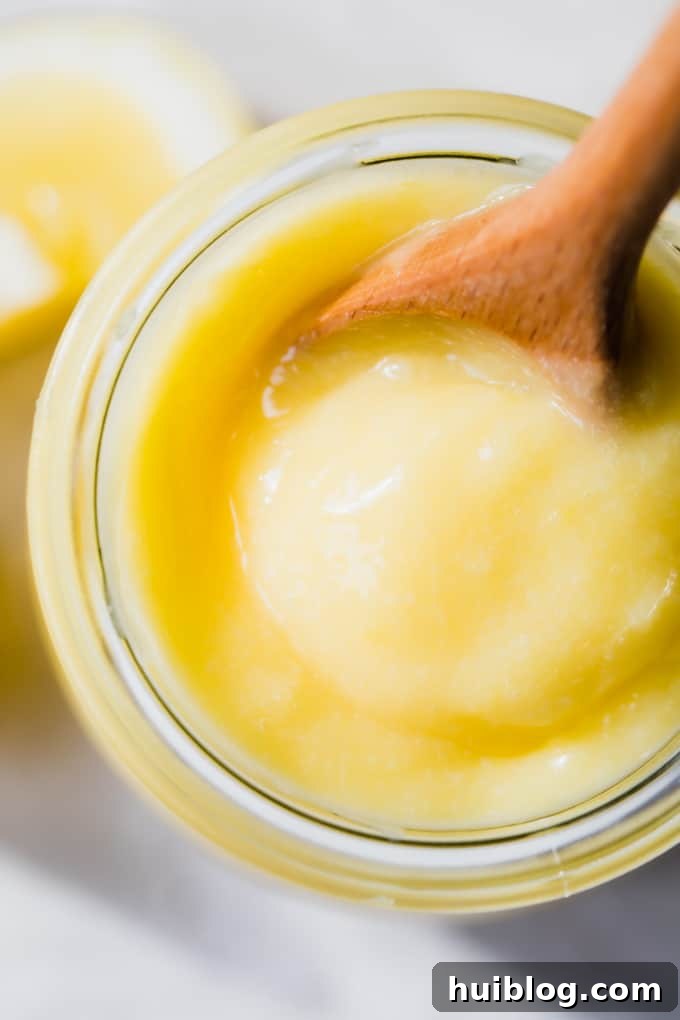
Homemade Lemon Curd Recipe
Rating: 5 out of 5 stars (Based on 1 vote)
Prep Time: 5 minutes
Cook Time: 10 minutes
Chilling Time: 1 hour
Total Time: 1 hour 15 minutes (Active preparation and cooking: 15 minutes)
Servings: 6
Author: Serene
This homemade Lemon Curd is simple to make, thick and creamy, and the perfect addition to anything you want to put it on!
Ingredients
- ½ cup (100g) granulated sugar
- Zest from 2 fresh lemons (about 1 tablespoon)
- 2 large eggs
- ½ cup (120ml) fresh lemon juice (from approximately 2-3 lemons)
- 6 tbsp (85g or ¾ stick) unsalted butter, cut into small pieces and chilled
Instructions
- Prepare Double Boiler: Fill a medium saucepan with 1-2 inches of water and bring it to a gentle simmer over medium heat. Place a heat-safe bowl (glass or stainless steel is ideal) over the saucepan, ensuring the bottom of the bowl does not touch the simmering water.
- Zest and Juice Lemons: Carefully zest 2 lemons directly into the heat-safe bowl. Then, juice the lemons to yield ½ cup of fresh lemon juice.
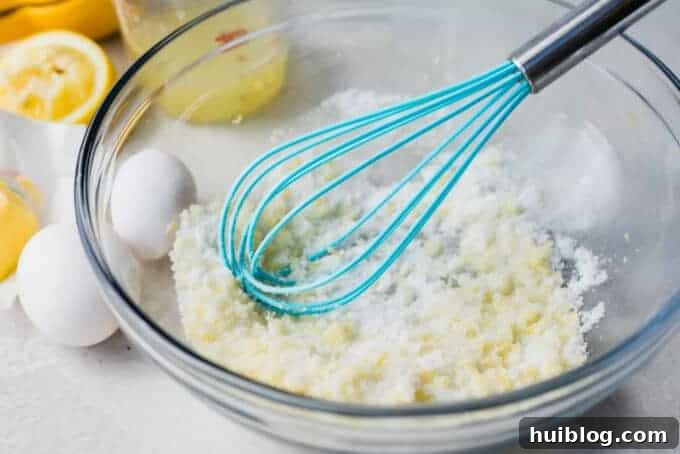
- Combine Ingredients: Add the granulated sugar to the lemon zest in the bowl. Use your fingers to gently rub the zest into the sugar for about a minute; this technique helps to release the aromatic oils from the zest, infusing the sugar with intense lemon flavor. Next, whisk in the large eggs and fresh lemon juice until all ingredients are well combined and the mixture is smooth.
- Cook the Curd: Place the bowl over the simmering water. Whisk the mixture continuously and gently for about 8-10 minutes. The curd is ready when it visibly thickens, coats the back of a spoon, and you can draw a clean line through it with your finger. It should reach a temperature of approximately 170°F (77°C). It is crucial not to let it boil, as this can cause the eggs to curdle or scramble.
- Remove from Heat and Strain: Once thickened, immediately remove the bowl from the double boiler to stop the cooking process. For an extra smooth and luxurious curd, carefully pour the hot mixture through a fine-mesh strainer into a clean food processor bowl or a separate clean heat-proof bowl. This step removes any tiny bits of cooked egg or larger pieces of zest.
- Incorporate Butter: Let the strained curd rest for a few minutes to cool slightly. Add the cold, unsalted butter pieces, one at a time, to the curd in the food processor (or whisk into the bowl if not using a food processor). If using a food processor, pulse or mix after each addition until the butter is fully melted and thoroughly incorporated, creating a perfectly smooth and glossy texture. Continue until all butter is added and the curd is beautifully emulsified.
- Chill: Transfer the finished lemon curd into an airtight container or clean glass jars. Seal the container tightly and refrigerate for at least 1 hour, or until thoroughly chilled and completely set. The curd will thicken considerably as it cools, achieving its desired spreadable consistency.
Equipment
- 3 qt saucepan (or similar size for the base of the double boiler)
- Heat-safe glass or stainless steel bowl (for the top of the double boiler)
- Whisk
- Fine-mesh strainer
- Food processor (optional, for achieving an extra smooth texture)
Nutrition Information
(Approximation per serving)
- Calories: 192 kcal
- Carbohydrates: 18 g
- Protein: 2 g
- Fat: 13 g
- Saturated Fat: 8 g
- Cholesterol: 85 mg
- Sodium: 23 mg
- Potassium: 41 mg
- Fiber: 1 g
- Sugar: 17 g
- Vitamin A: 434 IU
- Vitamin C: 8 mg
- Calcium: 12 mg
- Iron: 1 mg
Nutrition information is automatically calculated and should only be used as an approximation.
Recipe first posted February 3, 2014. Updated 2020 with new images.